
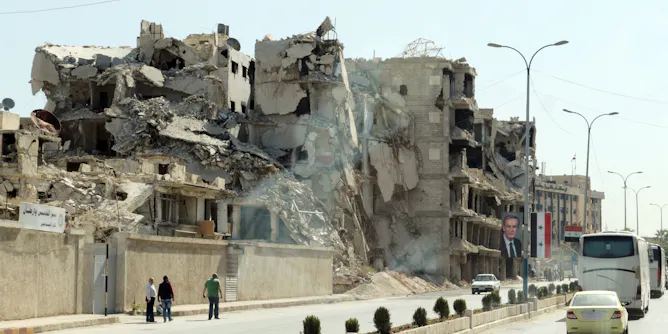
If states are permitted to determine when force is warranted, outside the existing legal framework, the legitimacy of that framework may be fatally undermined.
Articles on UN Security Council
Displaying 121 - 140 of 190 articles
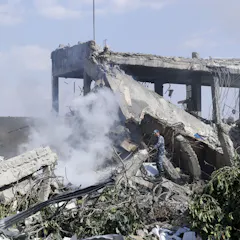
While the Syria strikes were clearly violating international law, using force to uphold the ban on chemical weapons is becoming acceptable in the international community.
The United Nations Charter doesn’t allow the use of military force to prevent chemical weapons attacks — no matter how evil — without UN Security Council approval. That needs to change.
The legal standards for military intervention are complicated and highly specific. It’s not clear an attack on Syria would meet them.
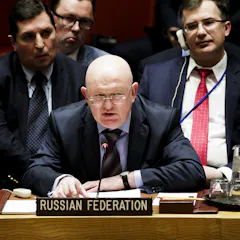
A legal expert explains why Russia’s accusations that the UK breached international law are unfounded.
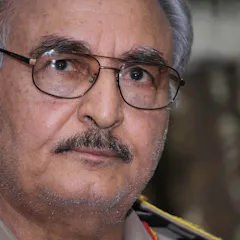
The Libyan warlord and presidential hopeful looks likely to avoid a summons to The Hague.
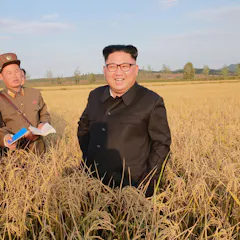
With much attention focused on military might and economic sanctions, there has been little focus on calls for a diplomatic solution to the North Korean crisis.
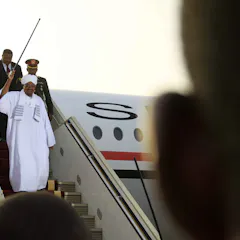
The ICC has been criticised for not acting against South Africa after it failed to arrest Sudan’s president in 2015. But, the court actually acted sensibly given the challenges it faces.
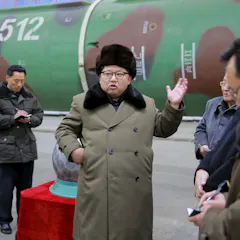
While some countries were taking a major step toward the elimination of nuclear weapons, the US and its allies were focusing on ineffective, counter-productive sanctions against North Korea.
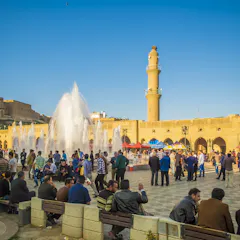
Iraqi Kurds will vote Yes to independence in September – and it could lead to trouble.
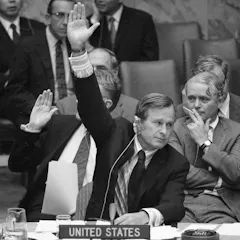
The first President Bush had some impressive foreign policies wins, but could he be best remembered for getting the US entangled in Iraq?
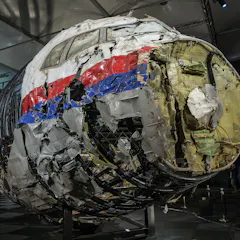
An adversarial international commission of inquiry, similar to one instituted to resolve a dispute between Britain and Russia in 1905, could break the deadlock over the downed flight.
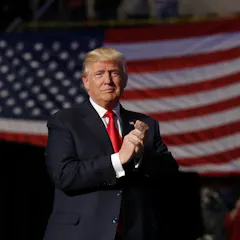
Most of Trump’s positions go against the principles accepted by the United Nations. The new Secretary-General will have to try to find areas of mutual concern to work with the new US administration.
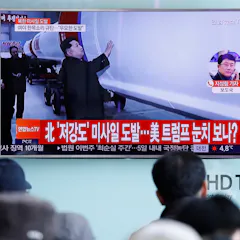
Sanctions and warnings have failed to stop Pyongyang’s belligerence.
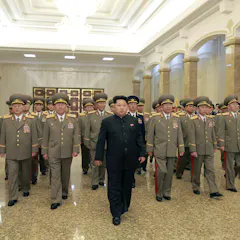
The precise wording of UN resolutions and the smallest of concessions by Pyongyang are telltale signs that change is underway.
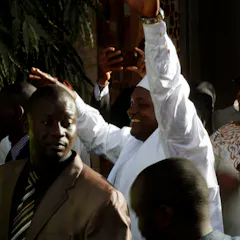
Military intervention is sanctioned and executed by states. It is thus always a function of state interests rather than the objective enforcement of law. The case of The Gambia is no different.

The world needs to take urgent steps to stop the threat of mass massacres in South Sudan with tough measures that must include direct legal and financial sanctions against the main protagonists.
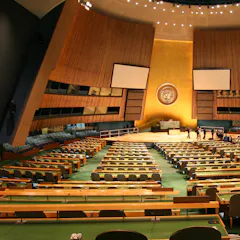
Leaders in Davos are being asked to consider how global cooperation could be reinvigorated. They could do worse than start with UN reforms.

An abundance of natural resources has helped Kazakhstan attract billions in investments. Despite its booming economy, the government is unlikely to move towards democracy any time soon.

There were seven highly regarded and qualified women who could have been selected as the next UN secretary-general. So why did the job go to another man?
Top contributors
-

Professor of International Relations, University of Otago
-
Professor of Law, University of Waikato
-
Reader in International Relations, University of Westminster
-
Honorary Professor of International Relations, University of the Witwatersrand
-
Professor, Griffith Law School, Griffith University
-
Senior Lecturer in Law, University of Westminster
-
Senior Lecturer
-
Professor of International Security, University of Birmingham
-
Associate Professor, Deakin Law School, Deakin University
-
Professor of Law, Conflict and Global Development, University of Reading
-
ARC Linkage Fellow, Asia-Pacific College of Diplomacy & ANU Centre for International Governance and Justice, Australian National University
-
PhD Candidate, International Relations, Australian National University
-
Senior Lecturer in Law, Liverpool John Moores University
-
Associate Professor of International Relations, University of Sydney
-
Professor and Vice Dean and Executive Director, Centre for the Study of United Nations, Jindal Global Law School, O.P. Jindal Global University