
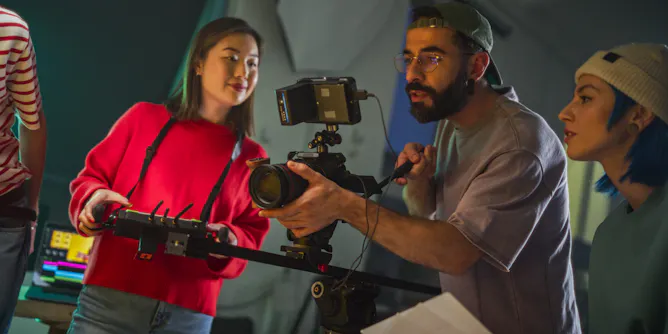
Today, a new generation of artists and online creators are less likely to see their markets or identities confined by national boundaries.
Articles on Television
Displaying 81 - 100 of 735 articles

Episode eight, Who Are You?, is a poignant portrayal of propaganda, collective resistance and military force.
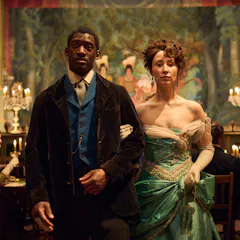
Historical writers of colour and writers from other marginalised communities are continually excluded from school curricula, literary anthologies and TV adaptations.
The precursors of today’s public media programs consisted of professors giving lectures about history and finance.
Almost half of respondents experienced bullying in the past year, while 35% encountered sexual harassment or discrimination.
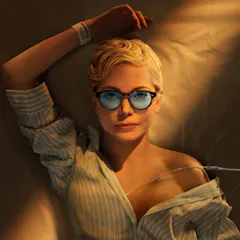
Longing to be seen beyond the lens of her cancer diagnosis, Molly attempts to unlock her true sexual self.

Not too long ago, therapists created a wall between themselves and their patients. Have we gone too far in the other direction?
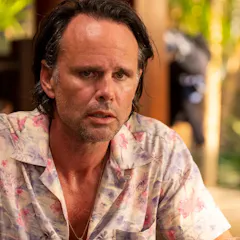
The show’s satire of super-wealth is framed through many of Sheakeapre’s great tragedies: Hamlet, Othello, Romeo and Juliet, and King Lear.

Technological advances that lead to fairer, more accurate calls are often seen as triumphs. But new technology doesn’t mean perfect precision – nor does it necessarily create a better fan experience.
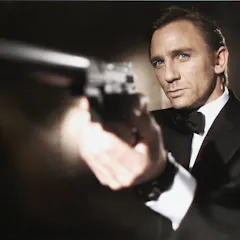
Until now, the glamorous spy has existed in many different forms across many different mediums. Could a new, more coherent universe be on the horizon?
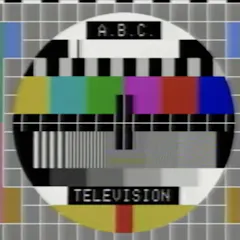
1975 was a big year, with the end of the Vietnam war and the dramatic dismissal of Gough Whitlam. And finally, Australians could watch it in colour.
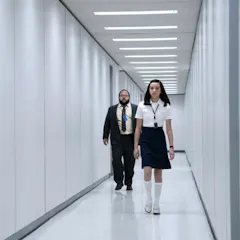
As a child worker, Miss Huang might seem like an uncanny ghost of a bygone era of childhood. But she’s closer to a prophet, warning viewers about what a work-obsessed future holds.
Meet the Scottish colourists, stop and smell the flowers and follow the story of the cancer-journey influencer who was a fraud, as we bring you this week’s cultural highlights.
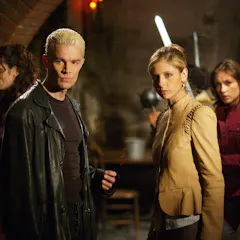
The Buffy reboot faces a problem: what to do about visibly older cast members who play ageless vampires?

A depressed robot, a drugged Kenyan and a singing Saab driver − what could go wrong?

Commercial TV broadcasters once commissioned around 300 hours of Australian drama each year. Last year, they commissioned just nine hours of new, non-soap drama.

Real ‘split brain’ patients have existed since the 1940s.

Programs geared toward liberals like ‘The Daily Show’ once held a monopoly on political comedy. Not so anymore.
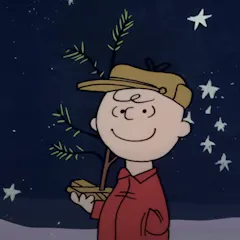
Charles Schulz’s TV special survived the skepticism of network executives to become a holiday classic.
The characterization of Latter-day Saints on shows like ‘Heretic’ and ‘Secret Lives of Mormon Wives’ says more about the rest of America than the church itself.
Top contributors
-

Associate Professor of Screen Media, Victoria University
-
Professor of Media Studies, Queensland University of Technology
-
Associate Professor in Media, University of Technology Sydney
-
Associate Professor and Cinema and Screen Studies Discipline Leader, Swinburne University of Technology
-
Professor of Television & Media Studies, University of Leeds
-
Professor & Dean, School of Media and Communication, RMIT University
-
Lecturer, Digital Communication, RMIT University
-
Former Honorary Research Associate, School of Media and Communication, RMIT University
-
Senior Lecturer, School of Media, Film and Journalism, Monash University
-
Professor in Digital Media and Cutural Studies, Queensland University of Technology
-
Senior Lecturer in English Literature, Charles Sturt University
-
Professor of Sociology, University of Texas at Arlington
-
Associate Professor, Film Screen & Animation, Queensland University of Technology
-
Lecturer in Journalism, University of Technology Sydney
-
Senior Lecturer in Sport Management, Deakin University