
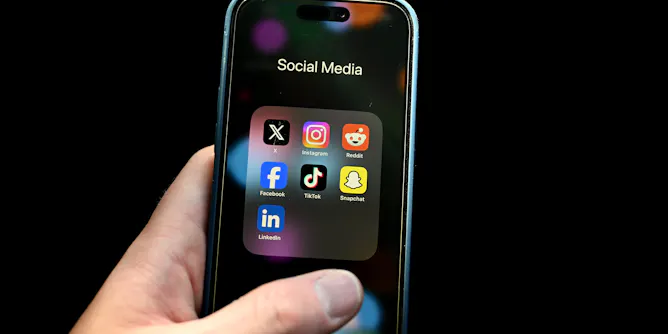
The Albanese government will legislate this term to enforce a minimum age for children to access social media.
Articles on Teens and social media
Displaying 21 - 40 of 41 articles

Children under 14 would be banned from social media, while teens aged 14–15 would need parental consent. But this law will be challenging to implement.

There are many real physical risks that stem from social media use, particularly for children and young people.

Age 13 to 16 is an important time for the development of a young person’s identity. This process is complicated by social media.

If you are worried about your teen’s social media use, consider joining them for screen-free time at home and organising regular activities offline.
Our interviews with young Australian men, show how there are a diverse range of views about controversial figures such as ‘manfluencer’ Andrew Tate.

Parents need to understand how algorithms work. These can drive misogynistic content towards boys and young men and can make extreme views seem normal.
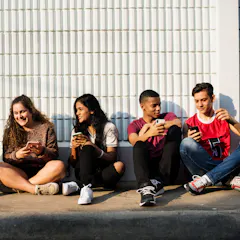
Regulating how kids access the internet – including social media – must balance protection from harm with children’s rights to expression and information.

Contrary to what you may have heard, your mindset may be the biggest thing affecting how social media connects to your wellbeing.

A social media ban only delays young people’s exposure to these platforms. It does not help them learn how to deal with them.
Young people use social media to connect with culture and community, and to have a voice on political issues that concern them.
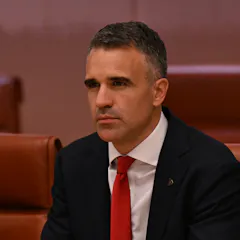
Peter Malinauskas joined the podcast to talk about AUKUS, bans on children under 14 accessing social media, restricting most political donations and Peter Duttons Nuclear announcement.

There are various methods for estimating or verifying an online user’s age, none of them foolproof. Importantly, is this the social media future we want?
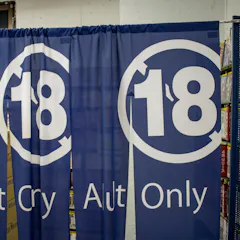
There are many limitations to what technology can do to bar underage people from porn. Importantly, the very idea distracts from evidence-based solutions.

While federal politics often seems top down on most issues fighting social media’s grip on children, the pressure now comes from the bottom up.

We asked young people and parents what they thought about age-verification tools to restrict access to certain online content. We found their voice isn’t being reflected in broader debates.

The Australian government will test tools to shield kids from inappropriate material online. Even though there’s no one easy fix, these checks could help.

TikTok is hardly a model social media platform, but it’s also far from an outlier when it comes to threats to Americans.

Social media companies have come under intense pressure to do more to protect teens, but there’s another concern – they could go too far.
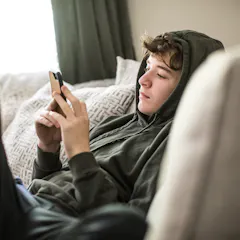
Up to 50% of US teens feel they are addicted to their devices. But help is out there.
Top contributors
-

Professor of Information Sciences & Director, Social Change Enabling Impact Platform, RMIT University
-
Researcher, Digital Wellbeing, Western Sydney University
-
Senior Lecturer in Media and Communications, University of Sydney
-
Professorial Fellow, University of Canberra
-
Professor in Human-Computer Interaction, ARC Future Fellow, University of Sydney
-
Associate Professor in Law, Australian National University
-
Professor of Internet Studies, Curtin University
-
Lecturer, Monash University
-
Adjunct Associate Professor, School of Law; Academic Co-Lead, CSAM Deterrence Centre, University of Tasmania
-
Senior Lecturer at UniSA Education Futures, Adelaide University
-
Chair of Discipline, Media and Communications, University of Sydney
-
Professor of Cyber Security Practice, Edith Cowan University
-
Director of Research and Policy at The Dor Foundation and Associate Professor of Politics at Deakin University, Deakin University
-
Adjunct Professor of Education and Social Development, Adelaide University
-
Research Assistant in Psychiatry, Wayne State University