

Around 2 billion people worldwide have an iron deficiency.
Articles on Supplements
Displaying 1 - 20 of 103 articles

Reviews of clinical trials suggest modest skin benefits but little evidence for better performance, memory or heart health.

Compounding pharmacies will now be able to sell 6 popular peptides, despite the fact they have not been proved safe and effective.

The brain needs a lot of energy. Without a sufficient supply, mood and mental health may be affected.
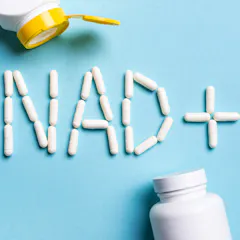
The supplement industry has a new favourite molecule: NAD+. Scientists are interested too, but evidence of its anti-ageing benefits in humans remains limited.

Magnesium is important for hundreds of processes in the body.
Taking a supplement at the right time may improve absorption, although need, dose and possible medicine interactions come first.

Research has moved past the question of whether we can live longer. The new question is whether we’re willing to invest — seriously, equitably and early — in the things that will help us live better.

Magnesium supplements generally benefit people suffering from deficiency.
A major review of 69 trials finds calcium and vitamin D supplements do little to prevent fractures or falls.

Researchers need more than memory tests to assess whether supplements affect the brain.
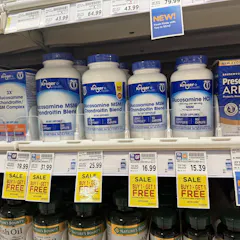
Animal experiments and analysis of patient records suggest that taking glucosamine is safe for a healthy brain but is associated with further decline in diseased brains.
NAD+, NMN and resveratrol are marketed as anti-ageing breakthroughs, but human evidence remains mixed and incomplete.

B12 is vital for red blood cells, nerves and DNA, but unexplained high levels may point to an underlying health problem.

Before taking supplements, older adults should consider diet, medication, appetite, oral health and blood test results.
The internet is awash with claims about injectable peptides for fitness, but there’s almost no human research showing they work or are truly safe.

Grey-market peptides are becoming mainstream, but evidence of their effectiveness is thin or non-existent.
Omega-3s appear to help muscles recover more efficiently after workouts.

Magnesium, lion’s mane, creatine and collagen are marketed for perimenopause and menopause symptoms. But the evidence shows their benefits may be overstated.

A major review suggests collagen supplements may genuinely work, but the science is messier than the wellness industry would have you believe.
Top contributors
-

Program Director of Nutrition and Food Sciences, Accredited Practising Dietitian, Adelaide University
-
Professor of Pharmaceutical Chemistry, Macquarie University
-
Laureate Professor in Nutrition and Dietetics, University of Newcastle
-
Associate Professor of Medical Education, University of Nottingham; University of Lincoln
-
Associate Professor in Pharmacy Practice, Kingston University
-
Professor of Nutritional Physiology, Anglia Ruskin University
-
Professor of Genetic Epidemiology, King's College London
-
Professor, Kinesiology, Tier 1 Canada Research Chair in Skeletal Muscle Health, McMaster University
-
Senior Lecturer in Cancer Biology & Clinical Biochemistry, Kingston University
-
Vice Chancellors Senior Research Fellow in Immunology, RMIT University
-
Senior Lecturer in Genetics and Molecular Biology, Kingston University
-
Distinguished Professor of Pharmacy Practice, University of Connecticut
-
Distinguished Professor, Professor of Immunology, RMIT University
-
Professor of Nutritional and Genetic Epidemiology, Adelaide University
-
Associate Professor in Biology and Biomedical Science, Aston University