
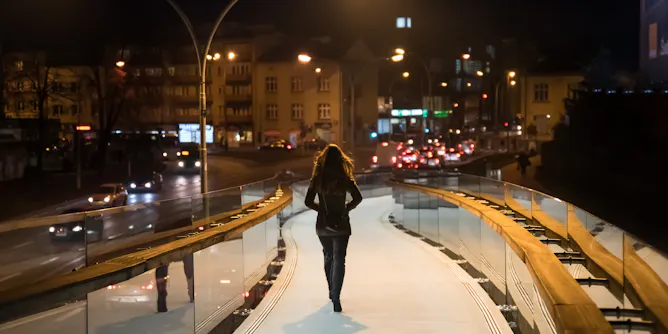
Women are most likely to feel unsafe in their cities or towns, but planning authorities have rarely listened to them. Here’s what we can do to change that.
Articles on Street harassment
Displaying all articles
While it’s tempting to focus on what people can do to ‘stay safe’ or respond effectively to harassers, this is ultimately the wrong question to ask and puts responsibility victims.

We asked participants about why they think people (mostly men) harass others in public space. Their answers were revealing.

It can happen at work, on the street or at home – even by the people who love us. Everyday sexism might be hard to pin down, but it’s pervasive and creates an additional layer of stress for women.

A new campaign targeting sexual assault on public transport is a positive development in some respects, but is unlikely to generate substantive, longer-term change.
Harassment can cause severe and lasting harm.
New research shows young women experience street harassment about once every two days.
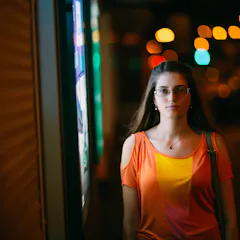
Most Australian women (87%) have experienced some form of street harassment, whether it’s whistles, stares, unwanted comments or being followed by strangers in the street – often before the age of 18.
Top contributors
-

Associate Professor in Criminology, The University of Melbourne
-
Honorary Research Fellow, The University of Melbourne
-
Associate Lecturer, Melbourne School of Psychological Sciences & Research Associate, Faculty of Business and Economics, The University of Melbourne
-
Research Fellow, Deakin University
-
Research Fellow in Social Sciences, Nottingham Trent University
-
Lecturer, Department of Design, Monash University
-
Professor of Criminology, Griffith University
-
Director, XYX Lab, and Professor, Faculty of Art, Design and Architecture, Monash University
-
Senior lecturer, School of Psychology, Deakin University
-
Professor of Criminology, University of Sydney
-
Research fellow, La Trobe University