
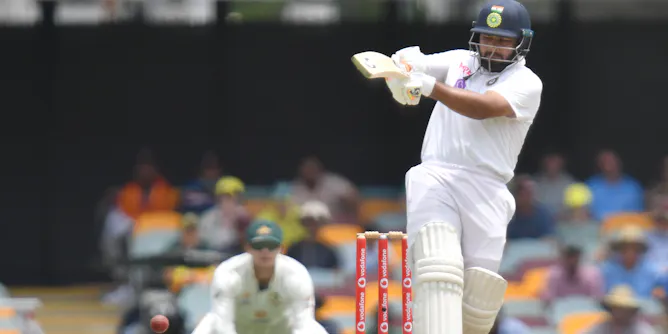
To overcome seemingly insurmountable odds, sportspeople need to enter a certain state of mind.
Articles on Sports psychology
Displaying 21 - 40 of 48 articles
Nobody likes a whinger. But when you’re used to having an entourage, and being feted around the world, things can get tough when you don’t get your own way.
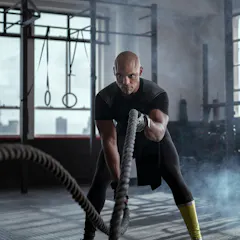
Our research with athletes suggests there may be two zones: an effortless ‘flow state’ and a more purposeful ‘clutch state’. Here’s how to decide which zone you need to be in — and how to get there.
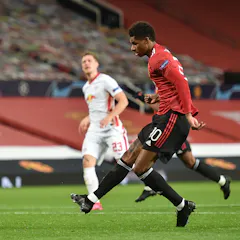
Finding purpose outside of sport can contain a multitude of benefits for athletic performance – and mental health.
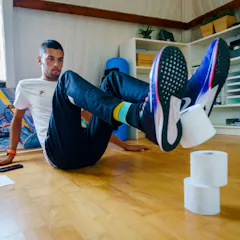
Why elite athletes may struggle more during self-isolation.
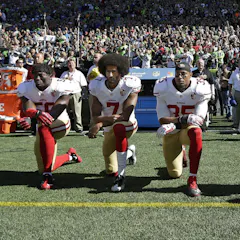
From Super Bowl ads to Netflix documentaries, the complicated issues of criminal justice are portrayed in simplistic and highly political ways.

Gym memberships spike as people make their New Year’s resolutions – but very few people will actually use them past February.
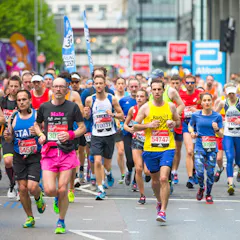
Running has become a way for people to show how productive they are, using their achievements to build personal brands and to compete with others for status.

A young athlete’s support network is key to their development and performance, according to sports psychologists.
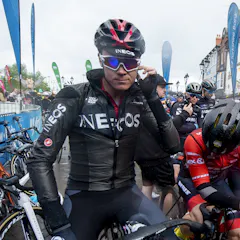
Conspiracy theories help sports fans make sense of unexpected events – like when a whole rugby team becomes sick before a world cup final, or the retirement of Michael Jordan from basketball.

Preparation. Focus. Positivity. Think like an athlete to win a Christmas medal.

Heavy hip-hop or heart-plucking instrumental strings? Every player has their favourites, but they all play their part in match preparation.
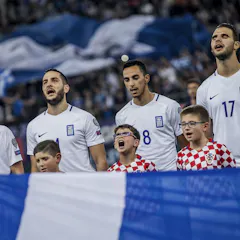
New research suggests that a football team’s rendition of its national anthem says a lot about its level of togetherness.
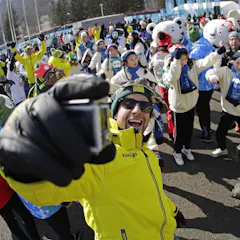
What harm could a simple Tweet possibly have on the performance of an Olympian? More than you might think. Social media can be a distraction that impacts the performance of some athletes.
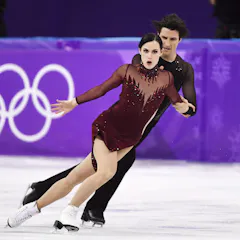
For any athlete to deliver a gold medal performance, mental toughness is an essential ingredient. But what exactly is mental toughness — and how does an athlete develop it?

Flirting with danger with each trick, freeskiers and snowboarders must learn to manage the emotions of such a daredevil sport.
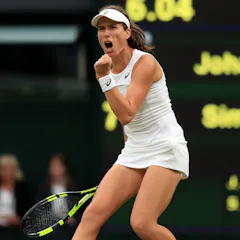
Tennis is as much a mental battle as a physical one.
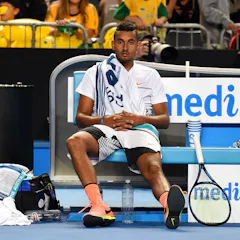
Humans have three basic needs that drive motivation - without them our performance is likely to suffer.

Amanda Beard, Ian Thorpe, Allison Schmidt, McKayla Maroney – many athletes have dealt with depression after the Olympic Games.
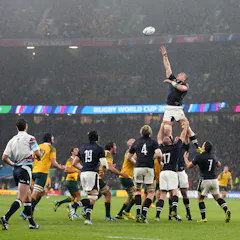
Did you know Scotland were going to lose, or was it just hindsight bias?
Top contributors
-

Assistant Professor, School of Media, Toronto Metropolitan University
-
Senior Lecturer in Sport & Fitness, The Open University
-
Lecturer in Applied Sport & Exercise Psychology, University of Portsmouth
-
Professor of Neuropsychology, Drexel University
-
Lecturer in the School of Psychology, University of Plymouth
-
Senior Lecturer in Sport and Fitness, The Open University
-
PhD Research Student in Sport and Exercise Psychology, University of Exeter
-
Clinical Assistant Professor of Counseling Psychology and Applied Human Development, Boston University
-
Professor and Head of the School of Sport, Health and Exercise Sciences, Bangor University
-
Chair and Director, Institute of Coaching and Performance, University of Lancashire
-
Senior Lecturer in Sport and Exercise Psychology, Cardiff Metropolitan University
-
Professor of Sports Performance Education, The Open University
-
Assistant Professor, Florida International University
-
Senior Lecturer, Sport Psychology, Kingston University
-
Post-Doc Researcher in Sport Psychology, Bangor University