

Bakery employees develop asthma when they are exposed to high levels of flour dust. Although there are international guidelines these are often not protective and badly implemented.
Articles on South African health
Displaying 21 - 40 of 58 articles

South Africa, despite its bold commitments to improve breastfeeding, does not have national data to monitor breastfeeding rates to ensure that its policies are being effective.

Taking antiretrovirals is key to reducing HIV infection rates, but the challenge lies in making sure people who know they are infected actually take the drugs.

If hypertension patients don’t take their medication regularly, they can’t control this lifelong disease. Text message communication from clinics can help remind them.

Inequalities in the nutritional status of poor and rich have been mitigated through various social protection policies, but children in South Africa remain at risk of malnutrition.

Removing alcohol brands as sponsors of sports events could help reduce the trend of young people drinking.

The messages that adolescents receive from sexuality education classes are frequently negative. It’s time for the curriculum to become more empowering for learners and teachers.

In many rural areas, poor people are suffering from malnutrition, which takes the form of stunting and obesity. To change this, their food environments must change.
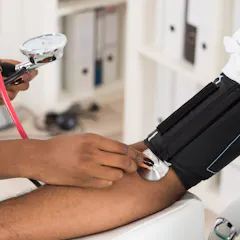
Hypertension is one of the leading causes of cardiovascular diseases such as stroke, heart attacks, heart failure and peripheral vascular disease. And in the developing world, it is on the rise.
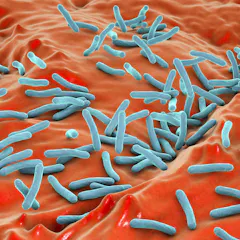
South African scientists have found a way to single out the problematic parts of the bacteria causing TB that results in drug resistance.

African scientists have developed and patented a test for TB that overcomes two major challenges with current methods: it delivers quick results and is much cheaper.

The high rate of child homicides in South Africa shows that reproductive, mental health and social services are failing to help vulnerable mothers.

Early antenatal care allows for early detection of HIV, a contributor to maternal mortality, as well as the treatment of other potentially life-threatening conditions associated with pregnancy.
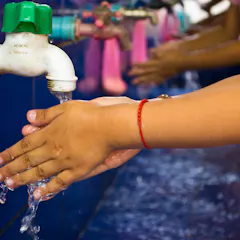
Hand, foot and mouth disease may not be a public health priority, but parents and caregivers at day-care centres should still be careful about its spread.
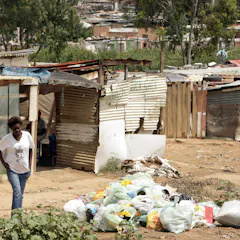
Plague, one of the deadliest diseases in the world, has been reported in several African countries in the past decade.

In South Africa, female sex workers go for HIV tests, receive counselling and use condoms – but don’t access antiretroviral treatments. More options are now available and can change this.

Understanding what causes diseases is a life-and-death matter. It is a complicated issue that has generated a great deal of debate in the medical community.
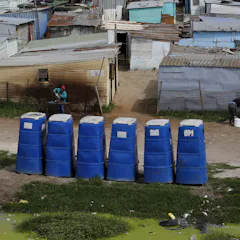
Interacting with communities can provide health planners with critical information that can help them solve health challenges in specific areas.
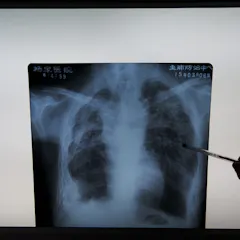
For thousands of miners who have developed silicosis from years of work on South Africa’s gold mines, a landmark court case will change their lives.

Doctors in South Africa have not been doing enough counselling of people who drink, smoke, don’t exercise and eat badly on ways to change their lifestyles.
Top contributors
-

Professor of Public Health and DST/NRF Research Chair., University of the Witwatersrand
-
Honorary Associate Professor in the School of Public Health, University of the Witwatersrand
-
Senior Lecturer, Department of Economics, University of the Western Cape
-
Senior Researcher, SA MRC Centre for Health Economics and Decision Science, PRICELESS SA, Faculty of Health Sciences, Wits School of Public Health, University of the Witwatersrand
-
Professor and Programme Director, SA MRC Centre for Health Economics and Decision Science - PRICELESS SA (Priority Cost Effective Lessons in Systems Strengthening South Africa), University of the Witwatersrand
-
Distinguished Professor, Division of Family Medicine and Primary Care, Stellenbosch University
-
Senior Lecturer, Division of Family Medicine and Primary Care, Faculty of Medicine and Health Sciences, Stellenbosch University
-
Professor, School of Public Health, University of Gothenburg Sweden, University of the Witwatersrand
-
Senior researcher in health policy and systems and part-time lecturer, University of the Witwatersrand
-
Visiting Scholar, School of Human and Community Development, University of the Witwatersrand
-
Student area of expertise unplanned pregnancy and father absence, University of the Witwatersrand
-
Deputy director of the Gender and Health Research Unit, South African Medical Research Council
-
Chief Specialist Scientist in Alcohol, Tobacco and Other Drug Research Unit, South African Medical Research Council
-
Specialist Scientist Researcher, South African Medical Research Council
-
Associate professor, University of Johannesburg