

New research shows giving women more resources to balance their competing work and domestic lives would help even gender disparity at all levels of political representation.
Articles on Sexism
Displaying 81 - 100 of 498 articles
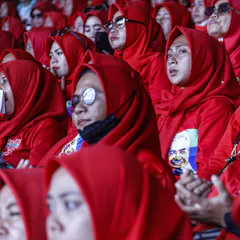
As the country prepares to go to the polls on February 14, will the low representation of women in parliament improve? Given the systemic barriers in place, probably not.

The proliferation of non-consensual, sexualised deepfake images is a reflection of society’s negative attitudes towards women.
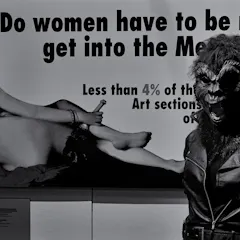
Notwithstanding the proliferation of exhibitions devoted to women, the question that feminists asked in the 1980s is more relevant than ever.

Gender discrimination permeates every layer of the music industry.

A vote on International Women’s Day should make the constitution more gender-neutral – but there is still a catch.
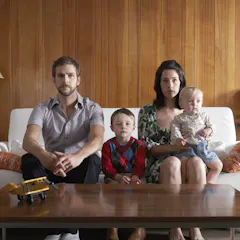
A study has found parents with high levels of ‘hostile sexism’ showed less warmth and were less engaged with their child, were less sensitive to their child’s needs, and were more controlling.

Recent research explores how women with non-native English accents — specifically Mandarin — fare in the Canadian job market.

Host Vinita Srivastava explores why racist, homophobic and sexist attitudes are increasingly showing up in school-age boys – and what we can do about it.

In the academic world, researchers are rewarded for publishing frequently. Not only is this affecting research quality but it is also hindering female scientists.

A common criticism of women’s sports is that female players aren’t as entertaining or skilled as their male counterparts. Two researchers decided to put this notion to the test.
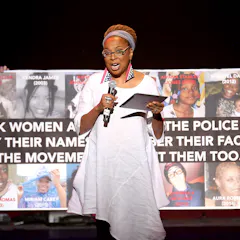
First used in the 1970s, the social theory known as intersectionality triggered widespread debate on racial identifications and the interplay among categories.

After decades of efforts to increase female representation in corporate decision-making bodies, few women are managing to take the reins of power.

As Hollywood continues to reckon with its past, Vivien Leigh’s story is a reminder of the challenges faced by women, even the most successful ones.

In the US, where Fair Play is set, women didn’t gain the legal right to be members of the New York Stock Exchange until 1967.

Their desire to pursue marriage abroad not only reveals their longing for a better life but also reveals the pervasive gender, age and class inequalities that continue to plague modern-day China.

When hospital and GP staff do not reflect the population they serve, patients’ health suffers.

In my experience of university teaching, the title of the course seems to strongly influence the gender balance of the class.

While blatant discrimination is easy to condemn because of how obvious it is, there are subtler, more insidious forms that also need to be rooted out.

Digital archives can have an important part in creating more inclusive art histories, but paying attention to ethical research practices when sharing and circulating resources is critical.
Top contributors
-

Associate Professor in Gender and Consumer Psychology, Director of Groups and Societies Research Centre and Chair of Faculty Athena Swan Committee, Anglia Ruskin University
-
Senior lecturer, School of Psychology, Deakin University
-
Senior Lecturer, The University of Melbourne
-
Professorial Fellow, University of Canberra
-
Associate Professor Social Sciences, Gender& Sexualities, Bournemouth University
-
Dean, John Molson School of Business, Concordia University
-
Lecturer in Australian Politics, UNSW
-
Cadre en exercice, John Molson School of Business, Concordia University
-
Professor of Political Communication; Director CAJII, The University of Melbourne
-
Assistant Professor of Computer Science and Engineering, University of South Florida
-
Professor and Associate Dean - Diversity, Belonging, Inclusion, and Equity, Australian National University
-
Professor of Women, Gender, and Sexuality Studies, Oregon State University
-
Professor, Canberra School of Government, University of Canberra
-
Assistant Professor of Media Studies/Game Studies, University of Oregon
-
Professor of Sociology and Founding Director of The Future of Work Lab, Podcast at MissPerceived, The University of Melbourne