
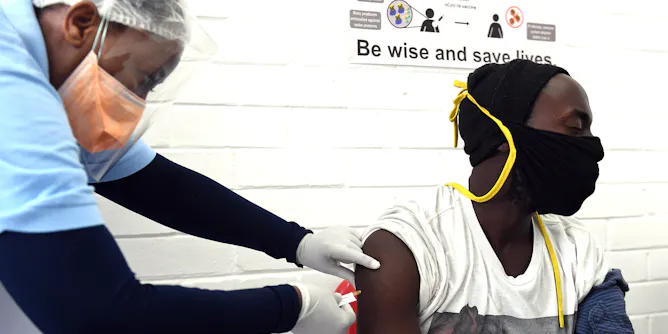
In a pandemic like this one, the priority is to save lives. But without a vaccine, there’s a limit in the tools available to save lives.
Articles on Science and innovation for development
Displaying 141 - 160 of 252 articles
History shows that treatments and vaccines have been accessible to African countries only after the loss of millions of lives and typically years - sometimes decades - after developed nations.

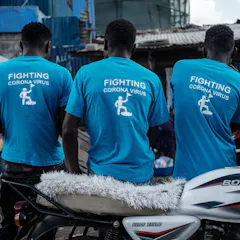
In a country marred by systematic discrimination and continued social marginalisation, particular consideration needs to be given to the measures being used to contain the spread of COVID-19.

African policymakers should strenuously safeguard their right to choose from the widest possible range of technology options that suit their countries’ development needs.
One of the methods researchers are exploring to combat COVID-19 is gene editing: altering the genome of the virus to make it harmless.

There has been a rapid redirection of resources towards COVID-19-related research. In the long term, this resource reallocation is likely to result in budget cuts in all research areas.
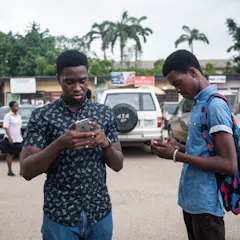
Mobile technology has great potential to improve healthcare in Nigeria but government must provide regulatory framework.

A crisis like COVID-19 demands that professional barriers be broken.
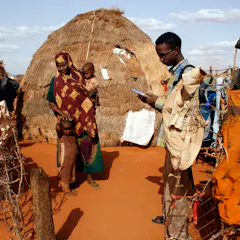
Findings that are effectively communicated can go a long way to serve the interests of the public. They can help to address social injustices or improve treatments offered to patients.
While there are various good reasons for doing research and funding research, the chief reason is that research provides essential insurance against catastrophic events.
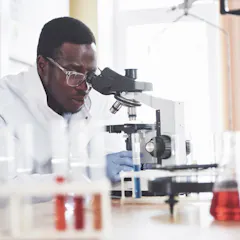
Africa is better prepared now to perform research in emerging infections than during the Ebola epidemics in West Africa.

Empatheatre’s latest production is more than a play about three characters who live near the sea. It’s a model for collective consultation on how to save the ocean.
Crowdsourcing is a promising approach to biomedical research and development (R&D) and could produce solutions to pandemics like this one.
CC BY-NC-ND10.3 MB (download)
How are tests developed for a specific virus and how does a country get the test kits it needs?
Models can predict the risk and spread of diseases and establish the time and place to implement optimal prevention and control mechanisms.

The molecular based tests used to detect SARS-CoV-2 are very specific but can take two to three days to process and produce a result.

The immediate need to “track and trace” infections for public health purposes poses an unprecedented challenge to privacy.
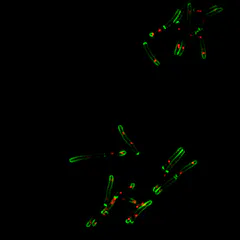
Scientists need greater understanding of the bacterium’s basic biology, as well as more about how it is spread from one individual to the next.
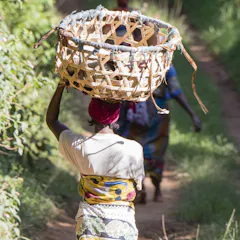
Women must be included at decision making levels to advise on development, designing, delivery and implementation of tools that target health issues that affect them especially malaria.
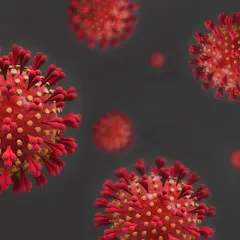
Scientists need to close the knowledge gap around COVID-19 and the virus that causes it.
Top contributors
-

Senior Lecturer International Law, Bioethics, Emerging Tech, University of KwaZulu-Natal
-
Fellow, Nigerian Academy of Science
-
Professor of medicine and deputy director of the Desmond Tutu HIV Centre at the Institute of Infectious Disease and Molecular Medicine, University of Cape Town
-
Professor of Organic Chemistry, Neville Isdell Chair in African-centric Drug Discovery & Development, and Director of the Holistic Drug Discovery and Development (H3D) Centre, University of Cape Town
-
Dean Faculty of Health Sciences and Professor of Vaccinology at University of the Witwatersrand; and Director of the SAMRC Vaccines and Infectious Diseases Analytics Research Unit, University of the Witwatersrand
-
Professor of the Practice of International Development, Harvard Kennedy School
-
Post Doctoral Fellow, University of KwaZulu-Natal
-
Professor in Biochemistry, Genetics and Microbiology, and Professor at Future Africa, University of Pretoria, University of Pretoria
-
Principal Medical Scientist and Head of Laboratory for Antimalarial Resistance Monitoring and Malaria Operational Research, National Institute for Communicable Diseases
-
Head of the Centre of Excellence for Biomedical TB Research, University of the Witwatersrand
-
Chair of Policy Innovation, School for Data Science and Computational Thinking, Stellenbosch University
-
Head of the Division of Pulmonology, University of Cape Town
-
Associate Professor, Cape Peninsula University of Technology
-
Professor and Chair of Genomic Diversity, Queen Mary University of London
-
Tutorial Fellow, School of Medicine, University of Nairobi, University of Nairobi