

Africa has been slow in embracing Open Science.
Articles on Science and innovation for development
Displaying 41 - 60 of 252 articles

The impact of climate change on the spread of crop pests is established. Biological control methods show some promise but the pace of climate change means scientists are in a race against time.
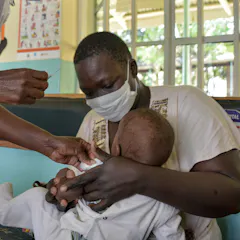
For a malaria vaccine to have an impact, health promotion is key. Awareness campaigns must address safety concerns and emphasise expected positive impacts.

Financial support for science and research in Nigeria remains pathetic. This has led to the deterioration in the quantity and quality of trained virologists at universities.

African countries need to be more deliberate in developing space capabilities.
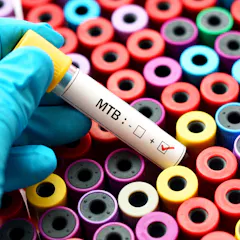
As antibiotics lose their power to treat some forms of TB, interest in the antibacterial powers of curdlan is rising.
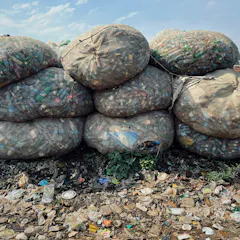
It’s important to look at the whole value chain in the plastics economy, starting with design of products that can be reused and recycled.
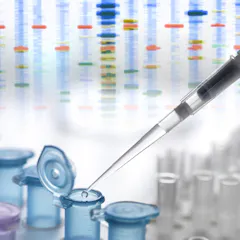
A new study hopes to produce a catalogue of human genetic variation and assess the burden of noncommunicable diseases in 100,000 adults in Nigeria.

Drug discovery research in Africa receives modest but essential international funding through philanthropic foundations and selected pharmaceutical companies.
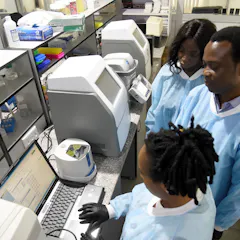
Molecular research is expensive, but worth it because of the burden of disease that it could relieve.
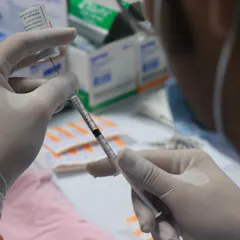
Before the COVID pandemic, efforts to address the challenge of limited vaccine production on the continent yielded little success.
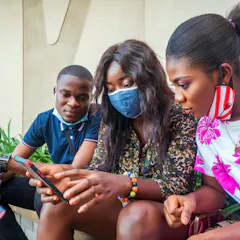
Mobile health or mHealth is an appealing way to reach adolescents because it offers opportunities to deliver and monitor health interventions at a much lower cost.
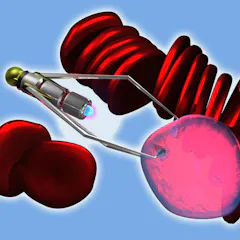
As a major contributor of knowledge, Nigeria could make giant strides in nanotechnology – which in turn could help various industries blossom.

The African BioGenome Project is a pan-African project that seeks to sequence Africa’s endemic and indigenous plants and animals.
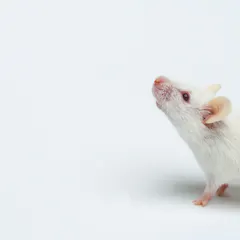
There remains a crucial need for animal models to understand health and disease and to develop medicines.

In 2020 TB case detection fell by almost 20% and mortality rose for the first time in a decade. These setbacks are directly attributable to the COVID-19 pandemic.

With the manufacturing capacity and access to relevant technology, African countries can reduce their dependency on international manufacturers for vaccines.

Saponins from plants can destroy viruses and other microorganisms in the same way commercial soaps and detergents do.
Young academies, which generally represent early career scientists, fared far better than their senior counterparts - a promising sign for the future.

As a disease progresses, so too must the underlying data and reporting improve to manage the progression of the outbreak.
Top contributors
-

Senior Lecturer International Law, Bioethics, Emerging Tech, University of KwaZulu-Natal
-
Fellow, Nigerian Academy of Science
-
Professor of medicine and deputy director of the Desmond Tutu HIV Centre at the Institute of Infectious Disease and Molecular Medicine, University of Cape Town
-
Professor of Organic Chemistry, Neville Isdell Chair in African-centric Drug Discovery & Development, and Director of the Holistic Drug Discovery and Development (H3D) Centre, University of Cape Town
-
Dean Faculty of Health Sciences and Professor of Vaccinology at University of the Witwatersrand; and Director of the SAMRC Vaccines and Infectious Diseases Analytics Research Unit, University of the Witwatersrand
-
Professor of the Practice of International Development, Harvard Kennedy School
-
Post Doctoral Fellow, University of KwaZulu-Natal
-
Professor in Biochemistry, Genetics and Microbiology, and Professor at Future Africa, University of Pretoria, University of Pretoria
-
Principal Medical Scientist and Head of Laboratory for Antimalarial Resistance Monitoring and Malaria Operational Research, National Institute for Communicable Diseases
-
Head of the Centre of Excellence for Biomedical TB Research, University of the Witwatersrand
-
Chair of Policy Innovation, School for Data Science and Computational Thinking, Stellenbosch University
-
Head of the Division of Pulmonology, University of Cape Town
-
Associate Professor, Cape Peninsula University of Technology
-
Professor and Chair of Genomic Diversity, Queen Mary University of London
-
Tutorial Fellow, School of Medicine, University of Nairobi, University of Nairobi