

Why have cities had so little success in reducing rat numbers? It’s usually because they’re failing to address the larger social services issues that allow rats to thrive.
Articles on Sanitation
Displaying 1 - 20 of 120 articles
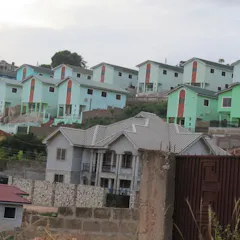
New census-based research shows Ghana’s policy must confront the quality of the homes people already occupy.
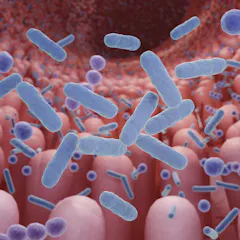
Microbiomes influence how efficiently a child’s body extracts and uses nutrients from food for growth and development.
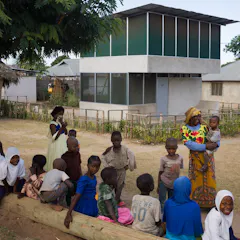
A three year study of Tanzanian children found that changing the way homes are designed can prevent diarrhoea, pneumonia and malaria, and help children grow taller.
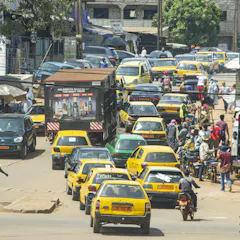
Every city is different but they can learn from each other.
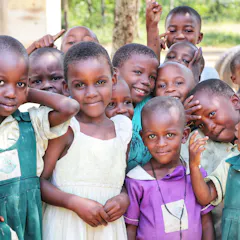
A German NGO (VCA) supporting water and hygiene initiatives in Uganda sheds light on better ways for aid organisations to serve local communities and integrate staff on the ground.
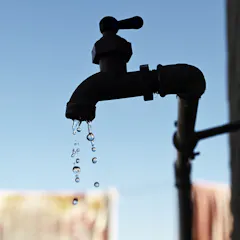
In a disaster or emergency, households can take steps to purify drinking water.

In South Africa’s Makanaskop, the kraal is a sacred space for rituals but small plots with outside toilets undermine this cultural use.
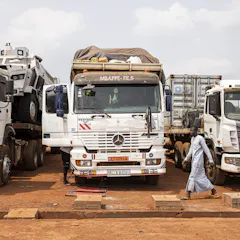
The lack of toilets makes travelling on Africa’s roads a less-than-pleasant experience.
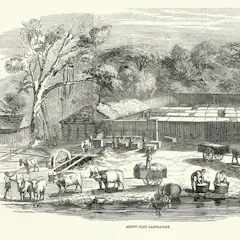
Colonial era records reveal the intersection of race and access to water in South Africa’s history.
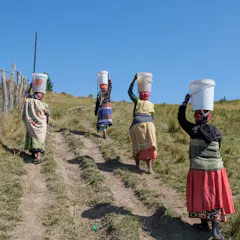
Water interruptions, absence of toilets and a lack of clean energy can reduce food security.
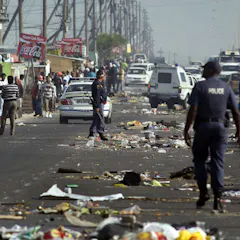
A more responsive government would avoid a turn to militant protests to air grievances.
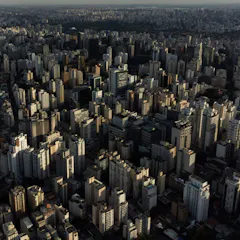
Johannesburg in South Africa and São Paulo in Brazil offer useful insights into how cities in the global south should be managed.
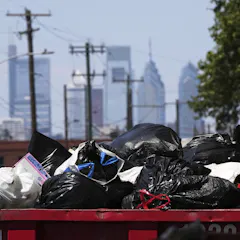
An expert on Philadelphia’s municipal workers union talks about how social media helped the workers on strike to get their message out.

Current science communications in Cape Town are not serving the public well.

Having to protect and conserve drinking water and its sources is as relevant today as it always has been.

South Africa’s rural wastewater treatment plants release polluted water if they aren’t maintained properly. Microalgae that purify the water could be a solution.
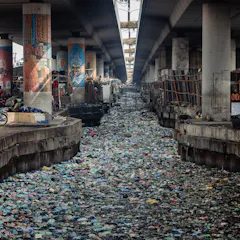
There are 960 million disposable baby diapers used and thrown away every year in Ghana, Nigeria and Kenya. Ways need to be found to recycle them instead.
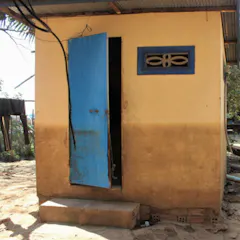
Cambodian study finds climate vulnerability hurts toilet functionality and leads to more open defecation.
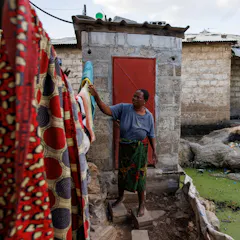
Sewage leaks, rundown communal outdoor toilets and breakdowns in water systems are causing public health disasters across Africa.
Top contributors
-

Senior Lecturer in Global Health, The University of Western Australia
-
Assistant Professor, Hubert Department of Global Health, Rollins School of Public Health, Emory University
-
Gradute Research Fellow, Obafemi Awolowo University
-
Chief Research Specialist., Human Sciences Research Council
-
Professor of Ecosystems Engineering, Newcastle University
-
Associate Professor, University of Birmingham
-
Director DST-NRF Centre of Excellence in Food Security, University of the Western Cape
-
Visiting Adjunct Professor, School of Governance, University of the Witwatersrand
-
Lecturer and course director in Water Science, Policy and Management, University of Oxford
-
Research Director, Development Capable and Ethical State, Human Sciences Research Council
-
Associate Professor in Public Health, The University of Queensland
-
Senior Lecturer Emeritus, Stellenbosch University
-
Professor and Research Theme Leader of the Flourishing Life Research Theme, University of the Free State
-
Research Fellow, Queen's University Belfast
-
Director DNDi Eastern Africa and Senior Principal Research Scientist, KEMRI, Kenya Medical Research Institute