
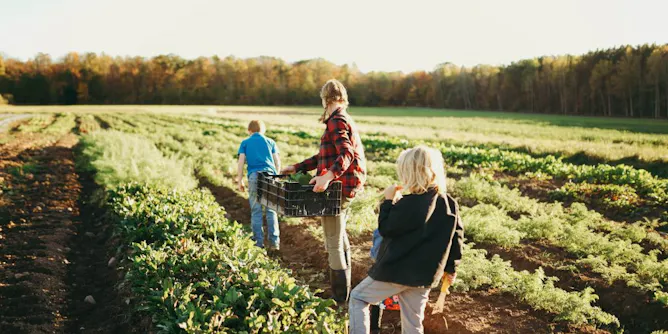
Both are essential on a farm, but the costs are making it harder for young farmers to grow their businesses.
Articles on Rural
Displaying 61 - 80 of 135 articles
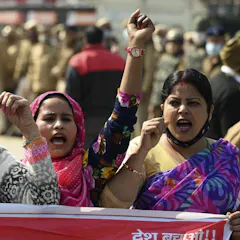
While the Covid-19 pandemic has exposed and exacerbated gender inequalities, it has also incited women-led initiatives and mobilisations.
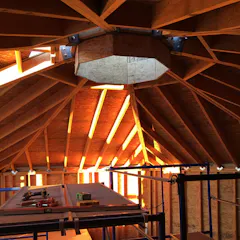
Poor indoor air on tribal lands can cause a range of respiratory illnesses, including viral infections. Here’s how people are fixing the problem while preserving traditional ways.
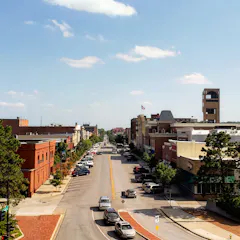
A federal proposal could effectively reclassify the homes of millions of Americans as rural, not urban – without anything actually changing about their communities.

Groundwater was once thought to buffer streams from warming, but an inexpensive new technique shows streams fed by shallow groundwater may be just as susceptible as those without.
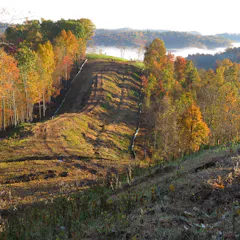
Pipeline companies have run roughshod over several regions where they’re building, racking up safety and environmental violations. Many residents feel trapped, with no control over their property.

As the scale of the pandemic revealed itself in March, one small town in Newfoundland created a community-led meals-on-wheels to support its seniors.
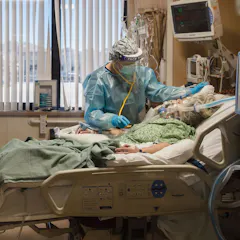
Rural health care will have to transform to survive.
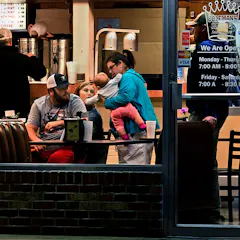
A new federal antipoverty program for both rural and urban areas is part of the solution, but the power of Big Ag, lack of internet and struggling towns need attention, too.
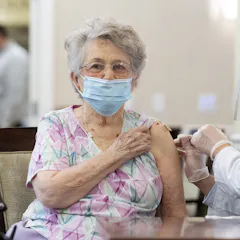
West Virginia’s success holds some important lessons for other states and the rest of the COVID-19 vaccine rollout.
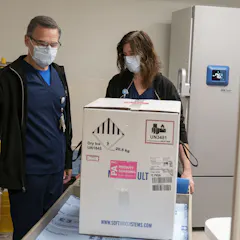
The vaccines’ cold storage requirements and shipment rules put small, rural communities at a disadvantage, but that’s only part of a long-running challenge.
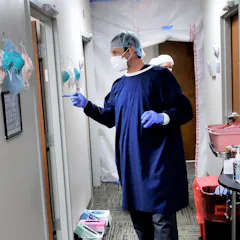
Hospitals are losing staff to quarantines as rural COVID-19 cases rise, and administrators fear flu season will make it worse. And then there’s the politics.
For rural people, these stresses are cumulative and contribute to higher levels of trauma, mental ill-health and in some cases, suicidal behaviour.

Coronavirus cases have risen sharply across the Mountain West, Midwest and plains. Over 70% of nonmetropolitan counties are now “red zones,” suggesting viral spread is out of control.
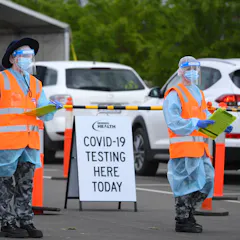
Rural patients’ self-reliance means they often wait until it’s too late to visit hospital, while the closing of state borders has restricted the movement of some fly-in fly-out health workers.
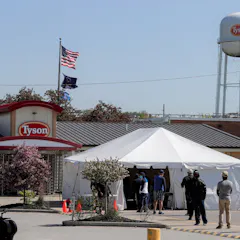
Being able to identify communities that are susceptible to the pandemic ahead of time would allow officials to target public health interventions to slow the spread of the infection and avoid deaths.
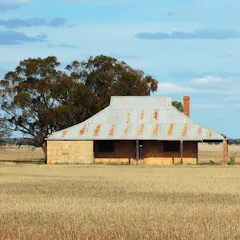
There is a large and widening gap between the richest and poorest Australians in terms of risk of dying before the age of 75, according to a study tracking the trend from 2006-16.
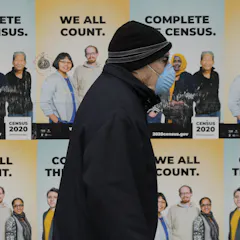
African Americans, young children and rural Americans are a few of the groups at risk of being undercounted in this year’s census.
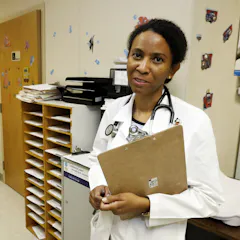
Southern governors are starting to reopen their economies at the same time COVID-19 cases are spreading through the rural South.
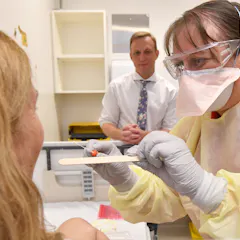
Rural communities have become resentful of city residents swooping in for food, medical supplies and shelter in vacation homes. We need a better strategy for allocating resources in the pandemic.
Top contributors
-

State Policy Director, Farley Health Policy Center; Associate Professor of Family Medicine, University of Colorado Anschutz
-
Project Director, RTC: Rural, University of Montana
-
-
Associate Research Scientist in Rural Sociology, Adjunct Faculty - National Farm Medicine Center, The Ohio State University
-
Research Fellow, University of Aberdeen
-
RTC:Rural Director and Director of Employment Research, University of Montana
-
Professor (Communication), Deakin University
-
Professor of Regional Economic Development, Northumbria University, Newcastle
-
Professor of Sociology, University of Aberdeen
-
Associate Professor and Director, Centre for Rural Emergency Medicine, Deakin University
-
Professor in Geography, University of Wollongong
-
Assistant Professor of Rural Sociology and Demography, Penn State
-
Professor Emeritus of Geography, Louisiana State University
-
Associate Professor of Rural Sociology, The Ohio State University
-
Senior Research Fellow, Rural Health Research Institute, Charles Sturt University