
The Reserve Bank has increased the official cash rate to 2.75%. But much of the inflation affecting New Zealand wallets is imported and beyond the bank’s control.
Articles on Reserve Bank of New Zealand
Displaying all articles

New Zealanders have often been frustrated with crucial economic decisions being made using months’-old data. A new tool is starting to bridge that gap.
New Zealand’s capital requirements are meant to ensure banks survive a 1-in-200-year event. The next Reserve Bank governor will need to weigh the costs of relaxing the rules.

Despite interest rates coming down, New Zealand’s economy is being pushed further into recession by government austerity measures. Basic macro-economic analysis shows why.
Beneath the obvious policy differences between Labour and National lies a tacit consensus on fundamental economic settings. Until that changes, political choice will be constrained.

With an inflation rate peaking at just 4.4%, Japan seems to be getting something right about managing economic pressures. How does it do this, and should New Zealand revisit its own strategies?

New Zealand’s central bank is taking a long, hard look at cryptocurrencies and the role they will play in future business. Here’s what businesses had to say about our digital future.

Before the Commerce Commission investigates the banking industry, we should remember there are good reasons for the way the sector is set up – and the Reserve Bank is at the heart of it. .

New Zealand has reached the lowest unemployment rate in decades but low wage workers may still struggle to negotiate an increase in wages.

Brainard has been pushing the Fed to consider exposure to climate change in its regulation and analysis of banks. That’s sparked fury from Republican senators – and even a Nobel Prize winner.
New Zealand’s financial system is sound but still vulnerable, according to the Reserve Bank. But without better evidence there’s too much room for fear-mongering and confusion.

The New Zealand subsidiaries of major Australian banks might be highly profitable, but realising their true sale value can still be a challenge.

Innovation means creating and capturing value from new things. And it’s better for the Kiwi economy if investment in that innovation grows local industries and creates jobs.

Massive borrowing to fund NZ’s economic recovery due to COVID-19 cannot be written off without the risk of worsening the crisis it was designed to meet.
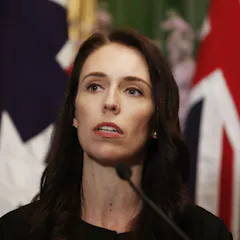
New Zealand’s new government wants the central bank to focus on maximising employment. But experience from other countries shows this is unlikely to change policy.
Top contributors
-

Associate Professor of Accounting and Capital, Te Herenga Waka — Victoria University of Wellington
-
Scientia Professor of Economics, UNSW
-
Senior Lecturer in Management, Te Herenga Waka — Victoria University of Wellington
-
Professor of Commercial Law, Te Herenga Waka — Victoria University of Wellington
-
Associate Professor, University of Waikato
-
Professor of Economics, University of Waikato
-
Lecturer in Accounting and Finance., University of Waikato
-
Lecturer in Politics, Te Kunenga ki Pūrehuroa – Massey University
-
Professor of Finance; (Banking, Fintech, Corporate Governance, Intangible Assets), EM Normandie
-
Professor of Banking, Te Kunenga ki Pūrehuroa – Massey University
-
Professor of Experimental Economics, University of Auckland, Waipapa Taumata Rau
-
Researcher in Economic Geography, Te Kunenga ki Pūrehuroa – Massey University
-
Adjunct Associate Professor, Centre for Applied Energy Economics and Policy Research, Griffith University
-
Visiting Scholar, School of History, Philosophy, Political Science and International Relations, Te Herenga Waka — Victoria University of Wellington
-
Associate Professor and Head of School, School of Accountancy, Economics and Finance, Te Kunenga ki Pūrehuroa – Massey University