

Polyurethane foams are the world’s sixth-most-produced plastic yet among the least recycled materials.
Articles on Research Brief
Displaying 361 - 380 of 643 articles

While there are still far more questions than answers about long COVID-19, researchers are beginning to get a clearer picture of the health and economic consequences of the condition.

Women resort to confidentially alerting co-workers, colleagues or classmates about harassment when they don’t trust the official channels for lodging complaints.

Dancing requires physical, social and cognitive engagement and, as a result, it may bolster a wide network of brain regions.
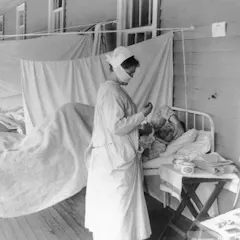
During the 1918 flu pandemic, white people died at similar rates to Black Americans, according to a new study – a very different pattern than what occurred during the COVID-19 pandemic.
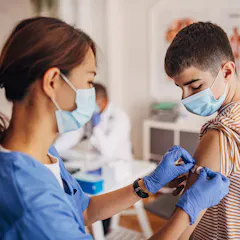
Nurses who identify as Democrats have a significantly higher likelihood of having their children vaccinated against COVID-19 than those who identify as Republicans.

Black corals provide critical habitat for many creatures that live in the dark, often barren, deep sea, and researchers are learning more about these rare corals with every dive.

In a systematic review of existing studies, researchers found that air pollution such as fine particulate matter can interfere with regions of the brain responsible for emotional regulation.

A type of computer chip that mimics both the skin and brain could pave the way for wearable devices that monitor and analyze health data using AI right on the body.

Researchers found that students are being judged by their race and gender, not how well they do math.
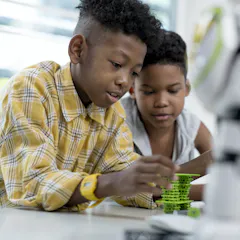
By kindergarten, white and Asian students are three to four times as likely as Black and Hispanic students to display advanced math skills.
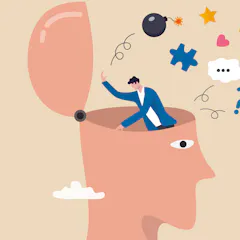
Asking alumni to reflect on ‘a person or event in their past that had particularly benefited them since graduating’ resulted in larger gifts.

Researchers identified a connection between low levels of media literacy and COVID-19 vaccine hesitancy in people who consume their news via social media.

An analysis of hundreds of thousands of interactions on cable news programs shows that women interrupt more often than men – and it may be because they also have to fight for equal airtime.
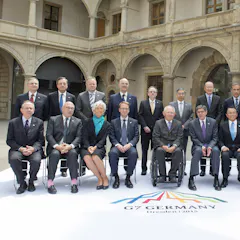
Men were significantly less likely to express confidence in the Federal Reserve and optimism about the economy when monetary policy information came from a woman versus a man.

The concentration of subsidized low-income housing developments isn’t as bad as residents fear: It actually increases property values – at a faster rate than other neighborhoods.

Health guidelines can feel contradictory and hard to interpret. But a new star rating system should help consumers and policymakers better parse the evidence behind health risks and outcomes.

Computer-based neural networks can learn to do tasks. A new type of material, called a mechanical neural network, applies similar ideas to a physical structure.

A study of what customers experience when they’re asked to chip in for a cause during checkout suggests that retailers should be careful about participating in these campaigns.

Understanding why people underpredict expenses could help them budget more accurately – and even encourage them to save more money.
Top contributors
-

Assistant Professor of Psychology, Arizona State University
-
Director, Institute for Social and Health Equity, University at Albany, State University of New York
-
Distinguished Professor of Pharmacy Practice, University of Connecticut
-
Associate Professor of Nonprofit Studies, George Mason University
-
Assistant Professor of Social Psychology, University of Utah
-
Professor of Economics and Education Policy, New York University
-
Associate professor, Bowling Green State University
-
Associate Professor of Education, University of Southern California
-
Associate Professor of Mechanical, Aerospace and Biomedical Engineering, University of Tennessee
-
Ben L. Fryrear Chair in Marketing and Associate Professor of Business Administration, University of Pittsburgh
-
Professor of Communication, The Ohio State University
-
Associate Professor of International Business, University of South Carolina
-
Associate Professor of Communication, Michigan State University
-
Associate Professor of Quantitative Marketing and Computational Data Science, Binghamton University, State University of New York
-
Senior Research Fellow and Lecturer of Gerontology, UMass Boston