

Biomedical studies have traditionally used male animals and men as research subjects. That is a problem for everyone because for many diseases, there are sex differences in how they affect people.
Articles on Research
Displaying 301 - 320 of 958 articles

Libraries are sharing knowledge so that when the war is over, Ukraine can see its cultural treasures rescued and restored.

The government’s funding boost is a step in the right direction. This is how it will help research avoid the ‘valley of death’ which is the place between the lab and marketplace.

The decolonisation of science is an essential step for the academic community in Indonesia to find their voice.

A trauma-informed approach to education can help educators acknowledge and address the adversities faced by Black and Indigenous students.
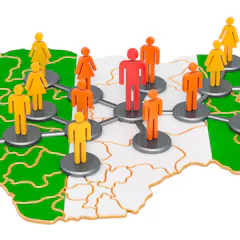
Social scientists in Nigeria communicate their research results more among themselves than they do to policymakers and the general public.

Preclinical studies are an important part of biomedical research, often guiding future trials in humans. Failure to replicate research results suggests a need to increase the quality of studies.
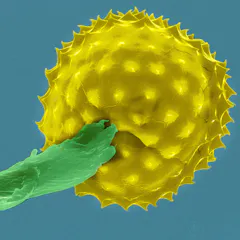
Rising temperatures mean longer, earlier pollen seasons, but the bigger problem is what carbon dioxide will do to the amount of pollen being released. A 200% increase is possible this century.

Canada and its universities have roles to play in providing safe spaces to scholars in regions where research is under threat due to conflict and repression.
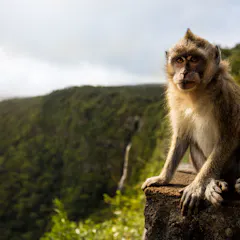
Macaques are an alien species - and the endemic plants and animals of the island haven’t adapted to protect themselves against these monkeys.

Despite the belief that people are deeply skeptical of strangers, study after study shows that humans are primed to trust one another.

We’ve all heard an exasperated “do your research!” from people who want to persuade us to accept their claim or point of view. The problem is it’s not likely to convince anyone.

Glaciers in North America, Europe and the Andes, in particular, have significantly less ice than people realized.

Young people have a right to be engaged, and a right to be heard in research. When young people’s voices are included in the research process, the result is richer and more relevant research evidence.
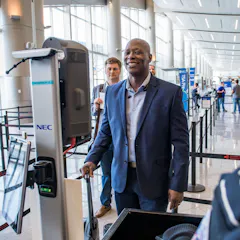
It’s easy for researchers to fall back on using test subjects from the communities around them – students and employees. Branching out is key to avoiding technology that fails certain populations.

From basic childhood curiosity, to fossil introductions from parents – it seems a scientist’s spark can come in many forms.

Open education resource platforms improve access to education and are globalising education on a scale never seen before.

Most of my work takes place in the lab. But recently I became involved with an organisation which allows me to connect with the very people who could one day benefit from my research.

After years of government rhetoric about boosting the commercial benefits from university research, Australia’s record is still among the worst in the developed world.
Manufacturing is just one part of the vaccine ecosystem. It’s the health system that delivers vaccines and people must be willing to take them.
Top contributors
-

Associate Professor (Law), Southern Cross University
-
Professor of Marketing, The Ohio State University
-
Cornelia H. Dudley Professor of Psychology, Knox College
-
Professor of Psychology, San Diego State University
-
Professor, Chemistry and Biochemistry, Laurentian University
-
Professor of Psychology, Dickinson College
-
Associate Professor, Researcher Development (EMCR), La Trobe University
-
Associate Professor, Khalifa University
-
Professor of Psychology, Michigan State University
-
Professor of Natural Philosophy in the Department of Physics, University of York
-
Senior Lecturer, School of Mathematics, Monash University
-
Previous Vice President of the Academy of Science of South Africa and DSI-NRF SARChI chair in Fungal Genomics, Professor in Genetics, University of Pretoria, University of Pretoria
-
Associate Professor of Government, American University
-
Associate Professor of Communication, Michigan State University
-
Director, Melbourne Institute of Applied Economic and Social Research, The University of Melbourne