

Chronic stress from living with systemic racism and gun violence can lead to increased symptoms of PTSD and depression as well as elevated cortisol levels.
Articles on Racial health disparities
Displaying 21 - 40 of 41 articles
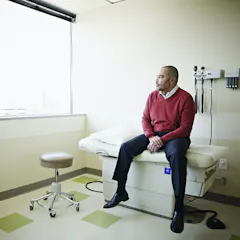
Men, older adults, people with language barriers and racial and ethnic minorities are less likely to be screened for depression.

The term ‘MSM’ allows public health interventions to gloss over the social, political and cultural complexities of identity. But it’s not without its limitations.
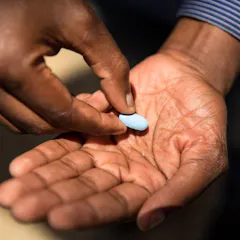
Judge Reed O'Connor ruled in a case that coverage for HIV prevention medicine PrEP violated the religious freedom of the plaintiffs. It is unclear whether the order will extend nationwide.

Overcoming the access barriers and biases that underrepresented and underserved communities face could not only improve research participation but also improve care.

OTC hearing aids promise to increase the accessibility and affordability of the devices for millions of adults who live with untreated mild to moderate hearing loss.

While sunscreen has the potential to reduce skin cancer for light-skinned people, it has never been shown to do the same for Black people. Yet that distinction is lacking in public health messaging.

Early detection of breast cancer is critical to improving chances of survival. But racial and ethnic minority patients systematically have delayed diagnoses that reduce the benefits of screening.
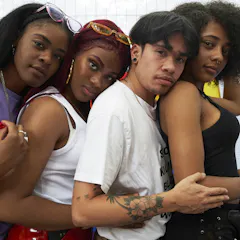
Being both trans and a person of color comes with a unique set of challenges. Collectively working toward overcoming these barriers is one way this community fights for survival.

During the pandemic, health care providers began prescribing abortion pills without requiring in-person exams. This practice could help people access the care they need when abortion rights are in limbo.

Only 3.7% of people in the U.S. with hearing difficulty own hearing aids. Thanks to a federal law in progress of being implemented, OTC hearing aids may help bridge the gap.
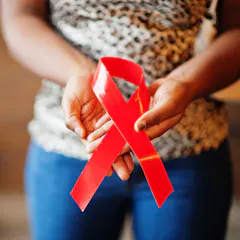
Microaggressions are more subtle than outright discrimination. But they can directly affect HIV treatment outcomes.
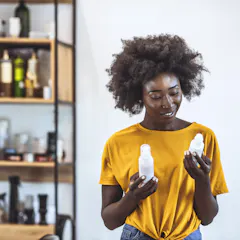
Researchers had suspected that chemical hair relaxers might be behind racial disparities in breast cancer diagnoses. A new study narrows in on lye as a possible cause for that link.
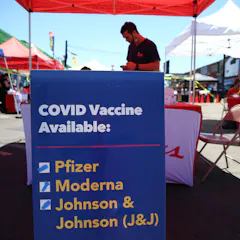
People who haven’t gotten vaccinated for COVID-19 often have complex reasons for their relunctance or may face other barriers. Lumping them all together undercuts the vaccination campaign.
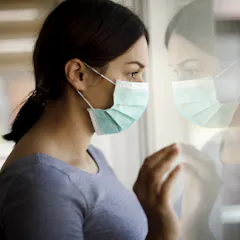
A survey finds that hardship disparities across racial and ethnic groups have persisted throughout the pandemic.
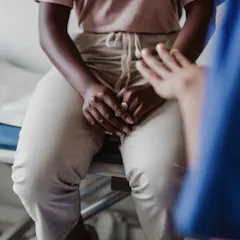
Though COVID-19 has killed Black Americans at nearly twice the rate as white Americans, Black people are the least likely racial group to say they’re eager to get the vaccine.
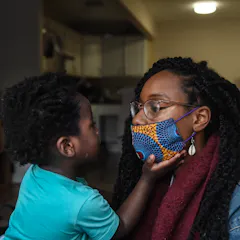
Blacks are at greater risk of dying from COVID-19 than whites. A study that examined racism at the country level had surprising results.

Pluralism — the active process of inclusion — could reduce disparities in some of the most pressing health issues of our time.

While sunscreen has the potential to reduce skin cancer for light-skinned people, it has never been shown to do the same for Black people.

Prostate cancer outcomes have differed between black men and other ethnic groups for decades. Could improving the way doctors talk and share information with black patients make a difference?
Top contributors
-

Associate Professor of Pharmacy and Therapeutics, University of Pittsburgh
-
Assistant Professor of Internal Medicine (Division of Dermatology), The University of Texas at Austin
-
Senior Associate Vice President Community Health, Education and Training, Old Dominion University; Associate Professor of Pharmacy, University of Florida
-
Professor of Audiology, University of Pittsburgh
-
Associate Professor in Sociology, African American Studies, Urban and Regional Planning and Social Work, University of Illinois Urbana-Champaign
-
Assistant Professor of Health Behavior and Health Promotion, The Ohio State University
-
Professor of Radiology, School of Medicine, University of Washington
-
Professor of Medicine, Morehouse School of Medicine
-
Physician Assistant in Gastroenterology, Morehouse School of Medicine
-
PhD Candidate in Counseling Psychology, University of Florida
-
Professor of Philosophy; Carlson Professor of University Studies; and Director, Center for Bioethics, Health and Society, Wake Forest University
-
Assistant Professor of Medicine, Boston University
-
Professor of Obstetrics, Gynecology & Reproductive Science, University of California, San Francisco
-
Associate Professor of Romance Languages and Literatures, Director of Latin American, Caribbean, and Latinx Studies Program, Bowdoin College
-
Professor of Anthropology & Director for Undergraduate Research, College of Arts and Letters, San Diego State University