
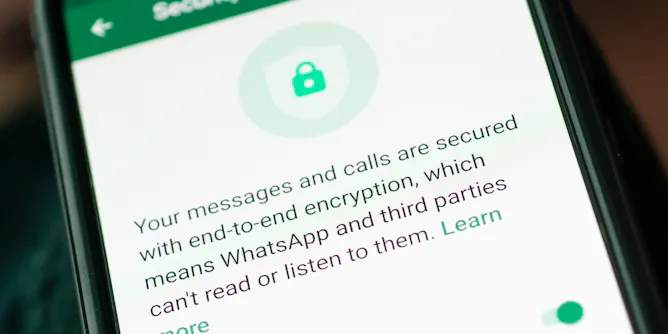
People have plenty of legitimate reasons to use encrypted communications platforms such as WhatsApp or Signal for their own security and privacy.
Articles on Privacy
Displaying 201 - 220 of 626 articles

A thriving black market for stolen personal data makes millions of people vulnerable to spies, spammers, scammers and hackers.
If storing DNA for criminal investigations helps identity the perpetrators and eliminate the innocent, why don’t we include samples from everyone?
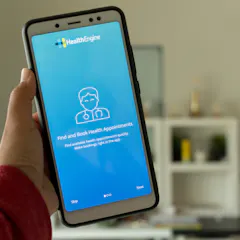
Commercial company HealthEngine won a major contract to roll out Australia’s COVID vaccine booking system. But it’s worth examining the firm’s past.
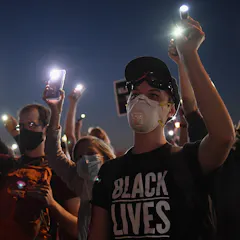
A privacy expert says citizens will need to exercise their right to public protest if they want to preserve their privacy.
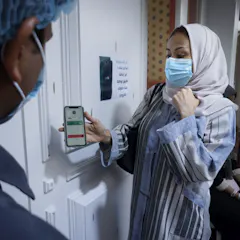
How do you prove that people have been vaccinated without putting their privacy at risk? The technology and best practices to make it happen exist. It’s far from clear, however, if they’re being used.

Google is using artificial intelligence to collect and process user data in a way that produces more nuanced and detailed information about our activities but addresses privacy concerns.

At the end of the 1925 movie ‘Red Kimono,’ the protagonist, Gabrielle Darley, throws away her garment and moves on to a better life. Real life is more complicated.
Google’s shift to ‘profiling’ is being billed as a privacy boon – but it’s also a strategic pivot.

The government of Ontario’s announcement of funding of a wearable contact tracking device for workplaces raises concerns about privacy and surveillance.
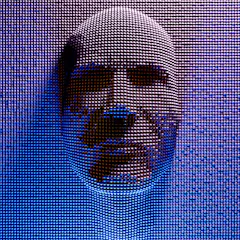
Our newfound ability to reincarnate the dead as chatbots presents several legal and ethical dilemmas.

During the coronavirus pandemic, digitizing archives can help increase access. But in addition to the labour and financial costs, issues of privacy, copyright and resources need to be considered.

New online safety laws will allow ‘harmful’ sexual content to be taken down within 24 hours

The Constitutional Court judgment is a huge victory, not only for journalists and lawyers who stand to benefit directly and immediately, but for broader society.

Bluetooth wireless communication makes it possible to track when people have been exposed to people infected with the coronavirus. The right cryptography scheme keeps alerts about exposures private.

New law has significant implications for researchers in general, and for those involved in the health sector in particular.

A recent Labor Department memo urges agencies to avoid releasing press releases accusing companies of violating laws, to protect the companies’ reputations. People are denied the same protections.

A Victorian government proposal to build a clinical information system for every Victorian, with no opt-out, has merits, but the many risks to privacy must be addressed.

Australia has hesitated in the past to adopt a strong privacy framework. A new government review provides an opportunity to improve data protection rules to an internationally competitive standard.

The use of artificial intelligence in health care is on the rise, and the concerns of the public need to be considered in developing policy that regulates its application.
Top contributors
-

Associate Professor, School of Law, University of Canberra
-
Associate Professor, Faculty of Law & Justice; Lead, UNSW Public Interest Law & Tech Initiative, UNSW
-
Professorial Fellow, University of Canberra
-
Emeritus Professor in Law and Criminal Justice, Adelaide University
-
Professor of Cyber Security Practice, Edith Cowan University
-
Professor specialising in Internet law, Bond University
-
Dean of Global Business, The Fletcher School, Tufts University
-
Director of UWA Centre for Software Practice, The University of Western Australia
-
Associate Professor in Telecommunications Engineering, Swinburne University of Technology
-
Research Director of the Security and Surveillance Research group; Professor, The University of Queensland
-
Professor (adjunct) and Senior Fellow, Institute for Health Policy, Management and Evaluation, Dalla Lana School of Public Health, University of Toronto
-
Research engineer, Advanced Surveillance Project, CSIRO
-
Senior Lecturer, The University of Melbourne
-
Senior Researcher and Project Manager, Advanced Surveillance Project, CSIRO
-
Former data protection and surveillance stream lead, Allens Hub for Technology, Law and Innovation, UNSW Law Faculty, UNSW