
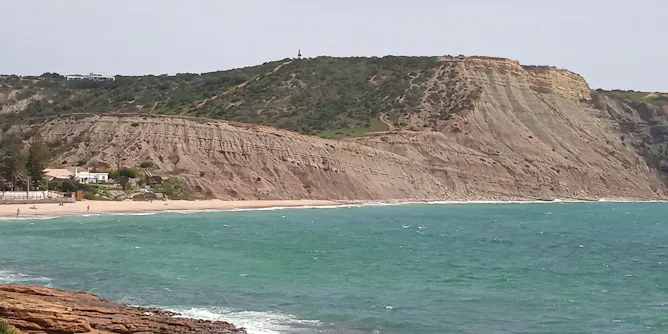
Our study found fossils in the Algarve that, according to previous records, had no business being there.
Articles on Prehistory
Displaying 1 - 20 of 48 articles

The small size of some stone-age arrow heads from Denmark suggest they were used together with poisons.
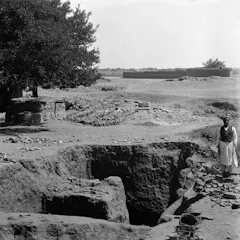
The flints reveal that villagers created local economies from their skills long before state enterprise began.

Radiocarbon dating at two archaeological sites shows how early settlers adapted to life in Aotearoa, with some economic changes happening sooner than thought.
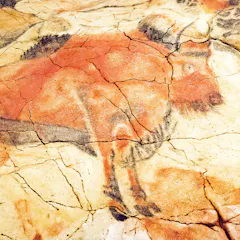
A new study has retrieved human genetic material from the walls of caves with ancient rock art.
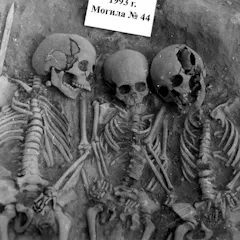
A new study reveals that plague was lethal thousands of years ago, during the Neolithic.
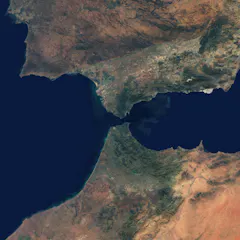
New research shows northwest African communities actively shaped connections and exchange between many cultures.
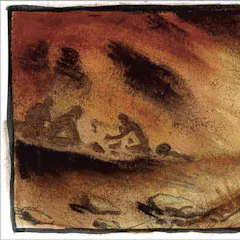
A recent article published and widely read in Science revealed that Neanderthal men preferred “Sapiens” women, but it fails to tell the whole story.
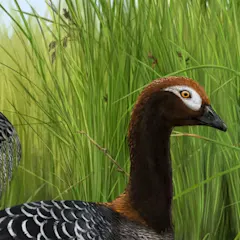
The newly described fossil goose Meterchen luti lived alongside crocodilians and turtles on the shores of the ancient Lake Manuherikia.

An anthropologist’s new book lays out the formula for human innovation, from stone tools to supercomputers. Depending on developments in the next few years, AI could hit the gas or the brakes.
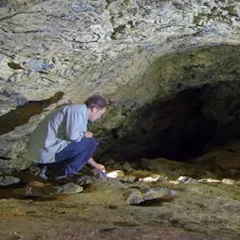
The migration into Britain had its origins in the prehistoric wetlands of Belgium and the Netherlands.

A space physicist has suggested that a reversal of the Earth’s magnetic poles may have wiped out the Neanderthals.
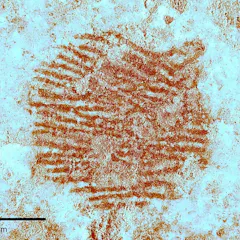
A 42,000 year old stone with a face is the oldest known example of symbolic work by a Neanderthal.

Flint tools carried across the Pyrenees reveal the routes prehistoric humans took.

The Maghreb has long been absent from studies on the recent prehistory of the Mediterranean. The new findings change that.
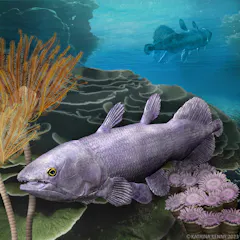
Researchers have discovered a new extinct species of coelacanth that lived 380 million years ago.

The team’s work at Oued Beht unearthed the most extensive and earliest agricultural complex known in north Africa outside the Nile Valley.
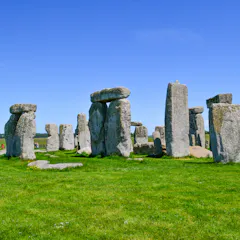
This is the longest known journey for any stone used in a Neolithic monument.
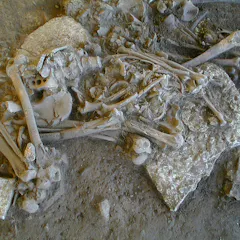
Neolithic populations declined 5,000 years ago, but the reasons are subject to debate.
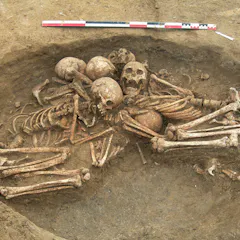
A new study reveals the final stage in the formation of the European genome, which is still present in many people today.
Top contributors
-

Associate Professor in Hominin Palaeoecology, Bournemouth University
-
Archéologue et chercheur au CNRS, Auteurs historiques The Conversation France; Université de Toulouse
-
Research Associate, McDonald Institute for Archaeological Research, University of Cambridge
-
Stephen Shennan is a Friend of The Conversation.
Professor of Theoretical Archaeology, UCL
-
Senior Researcher, Institute of Heritage Science, National Research Council (CNR)
-
Professor of Geography, School of Law and Society, University of the Sunshine Coast
-
Professor of Environmental and Geographical Sciences, Bournemouth University; University of Reading
-
Sir John Monash Distinguished Professor, Monash University. Deputy Director ARC Centre of Excellence for Indigenous and Environmental Histories and Futures, Monash University
-
Post-doc fellow: Institute for modelling socio-environmental transitions, Bournemouth University
-
Research Fellow in Biological Anthropology, Monash University
-
Michael Bird is a Friend of The Conversation.
JCU Distinguished Professor, ARC Centre of Excellence for Indigenous and Environmental Histories and Futures, James Cook University
-
Lecturer in Environmental Archaeology, University College Cork
-
Géochimiste, chargé de recherche CNRS au Centre de recherches pétrographiques et géochimiques de Nancy, Université de Lorraine
-
Professorial Fellow, Institute of Indigenous Knowledges, University of Tasmania
-
Associate Professor (Reader) in Physical Geography, University of Plymouth