
Different professors teach differently. If you’re a student with choices in a program, it makes sense to find out what you’re getting.
Articles on Pandemic education
Displaying all articles

With teachers reporting record-high levels of burnout, and more burnout than any other profession in the US, scholars examine what’s going on and what it may mean for education.
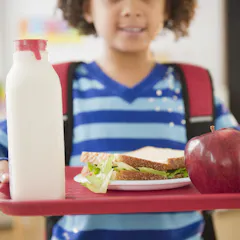
A food policy expert explains how school lunches changed during the COVID-19 pandemic and what’s wrong with going back to the normal system now.
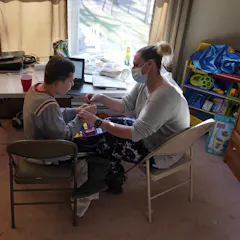
Many students with disabilities got few or no services during the pandemic, and aren’t now receiving the support they need to regain their lost ground and continue to learn
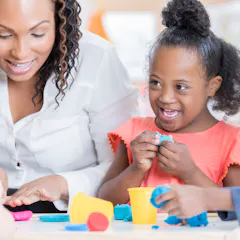
The pandemic and shifts to virtual learning have set many children back academically. The setbacks can be particularly challenging for children with disabilities, but recovery is possible.
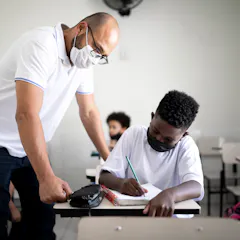
Charter school enrollment grew during the pandemic. But behind these schools’ rising popularity is a history of harsh discipline, inaccessibility and targeted marketing.
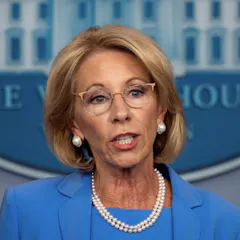
US Secretary of Education Betsy DeVos has resigned. Five experts comment on the impact she had on education.
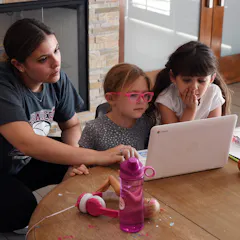
YouTube may have more potential to encourage children to learn than you’d think.

More than 70% of college students engage in some form of procrastination, research shows.
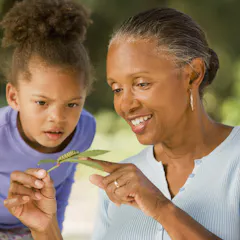
Insects are plentiful and inexpensive. Even when children aren’t attending school in person, they can learn from the encounters they have with insects outside.
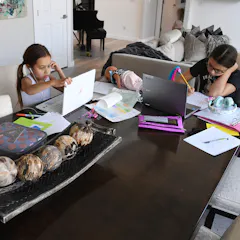
Digital educational resources are likely to remain indispensable for modern K-12 classrooms, even after the coronavirus pandemic ends.
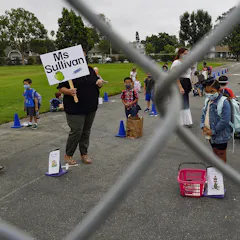
When the federal government doesn’t intervene during downturns, the states often cut school spending. In turn, teachers may earn less or lose their jobs. And three in four teachers are female.
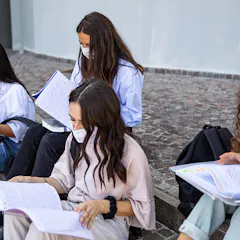
With more colleges and universities than ever making the SAT or ACT optional for admission, two scholars weigh in on what that means for students and their families.
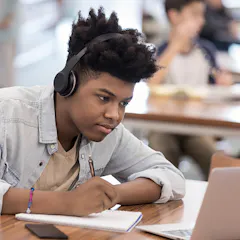
An admissions dean seeks to take the worry out of applying for college when traditional things like grades, standardized tests and extracurricular activities have been disrupted by COVID-19.
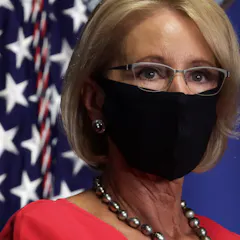
Millions of public school students are learning online, mostly at home. Any standardized tests they take in this unusual school year may not yield reliable data about their academic progress.
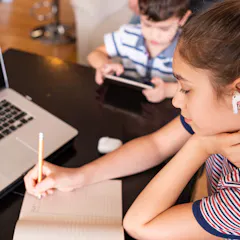
The disruption to K-12 education caused by the coronavirus pandemic may have major academic consequences, especially for low-income children.
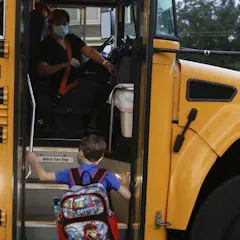
A researcher explains what it will take to make sure children are reasonably safe from catching the coronavirus aboard school buses.
A legal expert explores the limitations of COVID-19 liability waivers some colleges are asking students to sign.
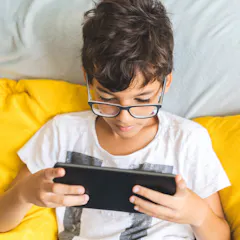
While providing access to digital technology is important, it won’t even the digital playing field. If teachers can embrace all students’ digital interests as opportunities for learning, it would help.
Top contributors
-

Professor of Political Science, Fordham University
-
Dean of College of Education and Human Development, University of Missouri-Columbia
-
Professor of Education Policy & Law; Director of the National Education Policy Center, University of Colorado Boulder
-
Assistant Professor of Educational Leadership and Policy Studies, University of Memphis
-
Professor of Applied Developmental Psychology, University of Maryland, Baltimore County
-
Associate Professor of Special Education, Boston University
-
Professor of Law, University of Virginia
-
Assistant Curator of Museum Education, University of Florida
-
Postdoctoral Associate, University of Maryland
-
Professor of Learning Sciences, Monash University
-
Associate Professor of Special Education, UMass Lowell
-
Assistant Professor in Educational Leadership, Concordia University, St. Paul
-
Associate Professor of Communication Studies, University of North Texas
-
Postdoctoral Fellow in International Issues and Sustainable Development, Indiana University
-
Adjunct Professor of International and Public Affairs, Columbia University