
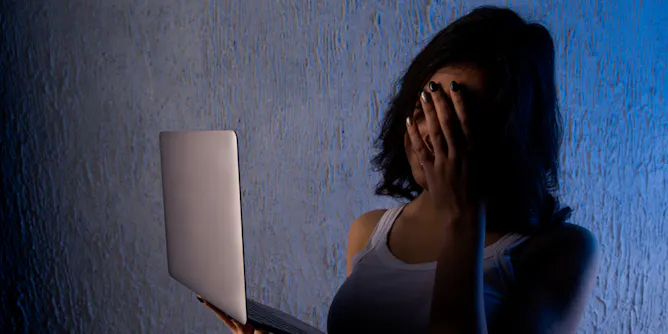
As digital technology becomes ever more sophisticated, AI tools are increasingly being used to target woment with abusive and misogynistic onine content.
Articles on Online abuse of women
Displaying all articles
Online abuse designed to humiliate, coerce or silence women and minority politicians is taking its toll. With a general election next year, the rules have to change.
The consequences of this abuse are far broader than any one woman’s safety or wellbeing. The effect is to remove women from political debate entirely.

The inclusion of cyberstalking in the proposed anti-stalking law brings New Zealand in line with other countries. But future technologies may make harm even harder to combat.

A new parliamentary committee will look into how social media operates in Australia, including how children access it. Regulating the industry won’t be easy.
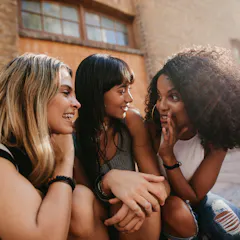
These private online communities represent a long-held feminist maxim: to solve sexism requires women to solve it themselves.
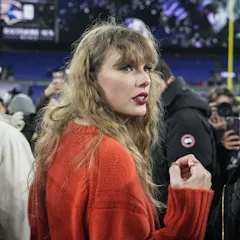
There’s nothing surprising about the fake explicit images going viral. It happens to women celebrities frequently – but anyone can be targeted.
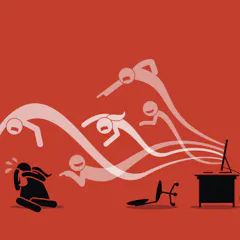
Ugly incidents in the run-up to the election mirror the rise of online violence against women in politics. The next government needs a plan to tackle the problem before it’s too late.
The sharing of intimate images has been on the rise among young people. But research shows navigating consent in these situations can come with a lot of grey areas.
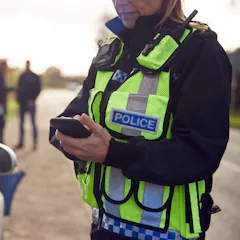
From Happy Valley to social media, women police officers face rampant sexist abuse.
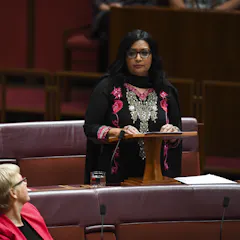
When Mehreen Faruqi first became the first Australian Muslim senator, she didn’t expect to receive the amount of abuse she did.
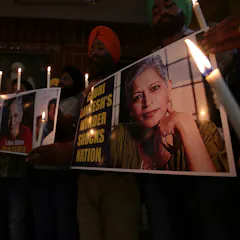
An international survey of women media workers has found that in many cases, physical attacks appear to have followed online threats.
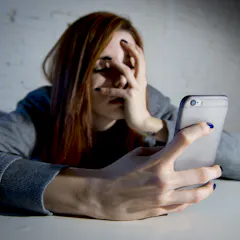
During the COVID-19 pandemic, online platforms might seem to be safer places to work and socialise, but online abuse is expected to rise – and women are at a higher risk.
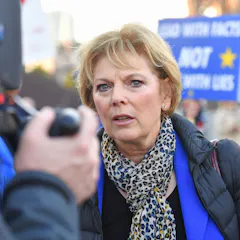
No wonder several high-profile figures say they can’t take it any more. Are we really going to allow women to be harassed out of public service?

Authorities are struggling to deal with the unimaginable scale of online abuse – and young people are suffering as a result.

It could seem attractive to try to teach computers to detect harassment, threats and abusive language. But it’s much more difficult than it might appear.
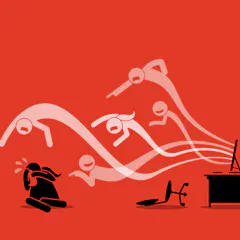
Companies and governments should do more to prevent ‘revenge porn’ without asking potential victims to send their nude photos to Facebook.

MPs come in for a lot of abuse online. But who are the haters and is the media partly to blame for the way it reports politics?

Faced with the prospect of constant online attack, why would anyone want to get into politics?
The online abuse of journalists is increasingly leading to self-censorship and websites abandoning the comment function altogether
Top contributors
-

Senior Lecturer in Law, University of Canterbury
-
Lecturer in Criminal Justice and Social Policy, School for Business and Society, University of York
-
Director of the Information Integrity Initiative, a project of TheNerve/Professor of Journalism, Chair of the Centre for Journalism and Democracy, City St George's, University of London
-
Lecturer in Law, Keele University
-
Assistant Professor of Communication, Wayne State University
-
Lecturer of Communication, University of Liverpool
-
Senior Research Associate in Media and Communications, University of Sydney
-
Senior lecturer in Digital Marketing & Social Media, Auckland University of Technology
-
Director and Professor School of Media and Public Affairs, George Washington University
-
Professor of Digital Communications and Culture, The University of Sydney, University of Sydney
-
Teaching Associate/PhD Candidate, Monash University
-
Senior Lecturer, Journalism and Digital Communication, University of Lancashire
-
Associate Professor and Associate Dean of Research, City St George's, University of London
-
PhD Candidate, Journalism and Online Harm, Columbia University
-
Professor of Global & Language Studies, RMIT University