

New research has found that thousands of University of Western Cape students can’t afford healthy campus food, and end up eating non-nutritious meals.
Articles on Nutrition
Displaying 121 - 140 of 825 articles

Research shows that the effects of ultra-processed foods can accumulate over time, adding to the risk of heart attack, stroke and other serious health issues, even for healthy people.

Parents and teachers in a southern Ontario survey conducted in the city of Hamilton and Peel Region spoke about their desires for an equitable and inclusive school food program.

As many as three-quarters of emerging infectious diseases originate from wildlife.

The more than $1 billion cut hits already strapped schools and food banks.

Australia is one of the few high-income countries that does not provide children with a daily nutritious meal at school.

The G20 should acknowledge that diseases like high blood pressure and type 2 diabetes are part of a system in which commercial actors are causing ill health.

Training for a marathon involves mental and physical preparation. To succeed, runners need support from friends, family and various experts.

Which one contains the most fat, skim milk or light milk? How about protein or calcium? A nutrition researcher explains.

Packaged foods in Kenya are required to list ingredients, but this information can be hard to interpret.
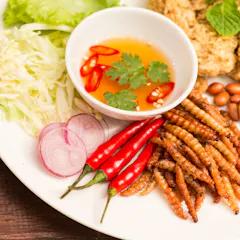
Insects are packed with high-quality protein, as well as good fats, vitamins and minerals like iron and zinc.

Healthy eating is strongly influenced by social connections and different settings. But aging often brings losses to social connections, which could put healthy eating at risk.
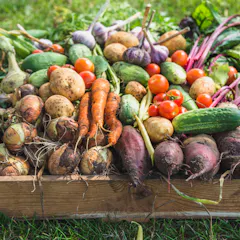
Food co-ops are local groups where people join together to buy food in bulk, usually straight from farmers or wholesalers.

Children are considered lucrative consumers of food. They need protection against misleading health labels.
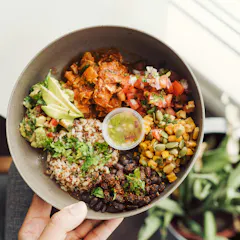
Small dietary changes can make a big difference to how you feel, how your body functions and health indicators such as blood pressure.
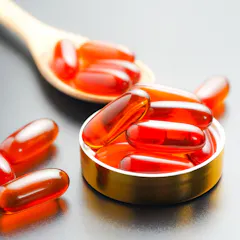
A team of researchers discovered that taking omega-3 supplements can reduce the risk of developing type 2 diabetes and cardiovascular disease.
Recent research suggested cutting back on dairy, gluten, caffeine and alcohol could improve endometriosis pain. But here’s what to consider before making big changes.

What’s actually happening in your body when you eat an entire cucumber? Two dietitians explain.

Because vitamin D plays a crucial role in many aspects of health and growth, inadequate levels can put children at risk of developing chronic disease early on.

Has TikTok got you worried you’re not eating enough protein to keep you healthy? Here’s how much you really need, and what that looks like throughout a day.
Top contributors
-

Laureate Professor in Nutrition and Dietetics, University of Newcastle
-
Professor of Community Health and Wellbeing, The University of Queensland
-
Program Director of Nutrition and Food Sciences, Accredited Practising Dietitian, Adelaide University
-
Accredited Practising Dietitian and Lecturer, Southern Cross University
-
Senior Lecturer, Nutrition and Food Science, Australian Catholic University
-
Senior Lecturer, Nutrition, Swinburne University of Technology
-
Honorary Associate Professor, University of Leicester
-
Associate Professor, Deakin University
-
Senior Visiting Fellow, School of Medical Sciences, UNSW
-
Associate Professor, Institute for Physical Activity and Nutrition, Deakin University
-
Programme Lead Nutrition and Health, Edge Hill University
-
Professor of Public Health Policy, Deakin University
-
Professor of Genetic Epidemiology, King's College London
-
Clinical Trials Director, Department of Endocrinology, RPA Hospital, University of Sydney
-
Associate Professor of Gastroenterology, School of Medicine, University of Washington