
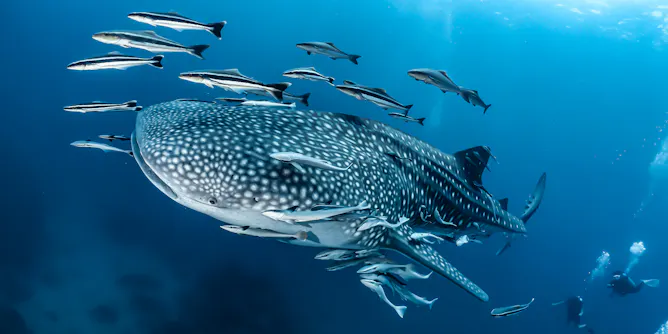
Almost 400 scientists from around the world came together to understand the movements of large marine mammals, using 30 years of satellite tracking data.
Articles on New research, Australia and New Zealand
Displaying 321 - 340 of 782 articles
New results resolve the long-standing anomaly of the muon’s magnetic moment – and may offer hints about the nature of dark matter.

The results of a landmark longitudinal study into domestic violence paint a grim picture, but they also point to key solutions, especially before men offend.
The odds of a galactic collision in our distant future are much lower than we thought, according to new simulations.
Australians deserve comfortable, energy efficient homes. New research reveals 5 reasons why that’s been so hard to achieve and ways to overcome these issues.
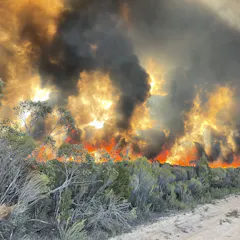
New research reveals only 44% of biodiversity offset policies and 27% of voluntary conservation programs consider climate risk. These 3 practical steps can help.

People with disability are more likely to die from cancer than the overall population. Here’s how we can shift this striking inequity.
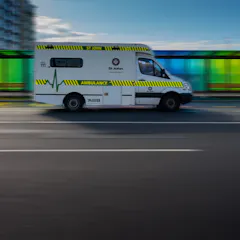
Ambulance staff face a unique and demanding situation when attending unplanned out-of-hospital births. New research shows just how crucial training and support can be.

Polycystic ovary syndrome affects many parts of the body, not just the ovaries.
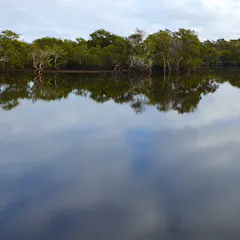
Researchers worked with Indigenous Rangers to map life in 34 estuaries across NSW using environmental DNA - and made a host of unexpected discoveries.
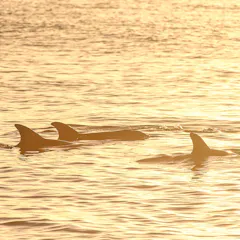
Studying the information contained in dolphin whistles is crucial for our understanding of threats to their survival.
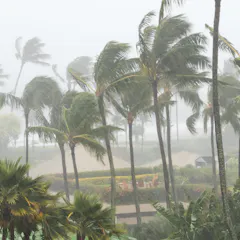
A damaged home and the psychological stress that comes with living through a major cyclone can prompt people to buy private health insurance.
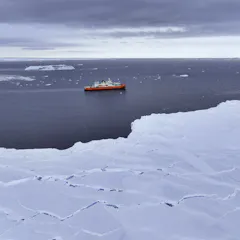
The Antarctic Slope Current shields Antarctica from warm waters. But new research shows meltwater is speeding up the current, which could make it more unstable.
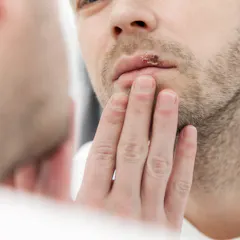
Alzheimer’s is a complex disease caused by many interacting factors. It’s possible the herpes virus could play a small role – but the evidence isn’t conclusive.

A new review looks at the safety and effectiveness of mouth taping during sleep for conditions such as sleep apnoea. The news isn’t so good.
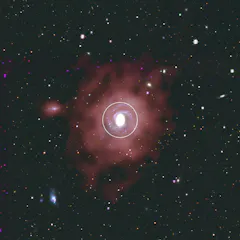
A new, more detailed study of 1,000 distant galaxies explains why some gas-rich galaxies don’t produce as many stars as you’d expect.
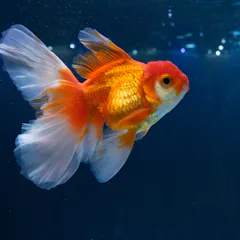
Why do researchers care if a bee can learn to recognise a human face? When we push animals outside familiar territory, we can learn a lot about intelligence.
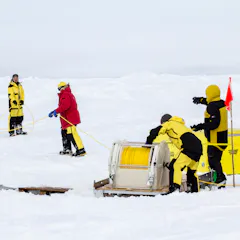
New research shows climate scientists are less trusted than other types of scientists. But there are big differences between countries and specific groups of people.
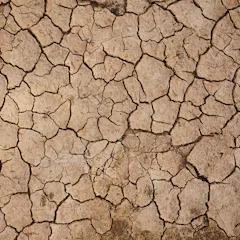
Southern Australia is suffering some of the lowest rainfall levels on record. The drought won’t break until the return of low pressure systems bringing heavy rain.
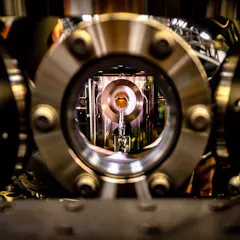
Quantum computers are getting closer and closer to being useful in the real world.
Top contributors
-

Senior Research Fellow, Melbourne Institute of Applied Economic and Social Research, The University of Melbourne
-
Adjunct Professor of Transport, University of Technology Sydney
-
Professor of Health Economics, The University of Melbourne
-
Professor of Geochronology, Curtin University
-
Matthew Flinders Professor of Global Ecology and Node Leader in the ARC Centre of Excellence for Indigenous and Environmental Histories and Futures, Flinders University
-
Visiting Fellow, School of Mathematical and Physical Sciences, University of Technology Sydney
-
Senior Lecturer, School of Earth and Planetary Sciences, Curtin University
-
Associate Professor, Centre for Youth Mental Health, The University of Melbourne
-
Professor of Psychology, The University of Melbourne
-
Sean Ulm is a Friend of The Conversation.
Director, ARC Centre of Excellence for Indigenous and Environmental Histories and Futures, James Cook University
-
Professor, School of Mathematical And Physical Sciences, University of Technology Sydney
-
Associate Professor of Visual Communication & Digital Media, RMIT University
-
Research Fellow, School of Biological Sciences, Monash University
-
University Fellow in Biodiversity, Charles Darwin University
-
Research Associate in Behavioural Science at the Institute for Climate Risk & Response, UNSW