
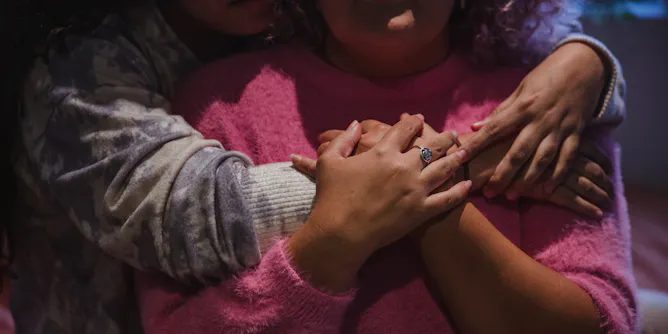
Two inquiries of recent times came with myriad recommendations to save Indigenous lives from domestic violence, but few have been acted upon.
Articles on National Inquiry into Missing and Murdered Indigenous Women and Girls
Displaying all articles
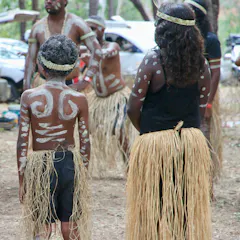
All of us have lost loved ones. Each of us know First Nations women and children who have been murdered and disappeared. This inquiry was welcome – but its recommendations fall far short of justice.

Manitoba’s refusal to fund the search for the remains of three Indigenous women is met with denouncement from the Assembly of First Nations.

Few Canadians know about the doctrine of coverture and how it stripped Indigenous women of their agency.
To release anyone, particularly Indigenous women, transgender and Two-Spirit individuals without a plan is irresponsible and dangerous and does not demonstrate a commitment to reconciliation.
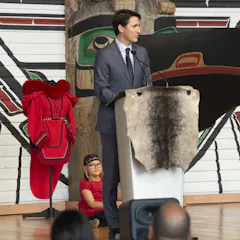
Political scientists concern themselves with ideas of democracy. Now that Canada’s PM has accepted the finding of genocide, this changes how and what political scientists need to discuss.
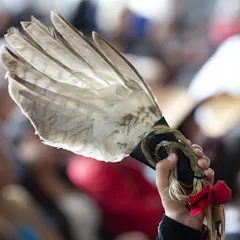
The final MMIWG report says that genocide does not refer only to the deliberate murder of some or all members of a particular social group. It also refers to the destruction of a group as a social unit.
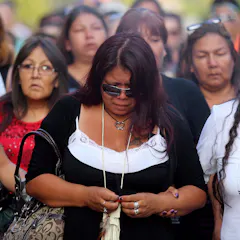
The tireless grassroots efforts of Indigenous activists unearth colonialism’s hidden secrets and the stories of the land and people to bring the murdered and missing women and girls home.
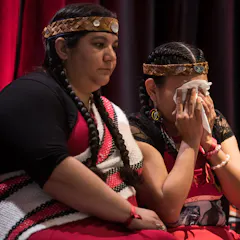
The attempt to grapple with genocide by the MMIWG commission is about more than simply applying international law to the facts. It’s also about decolonizing the international law of genocide itself.
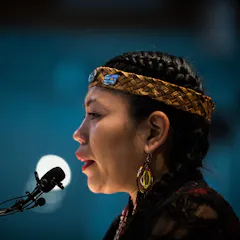
Understanding genocide as a process can help people grapple with the ongoing threat faced by Indigenous people in Canada, as named in the report into missing and murdered Indigenous women and girls.
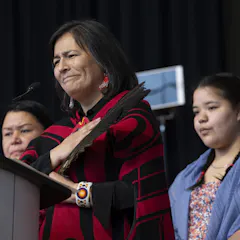
The United States could learn from Canada’s national attention being put on the epidemic of missing and murdered Indigenous women and girls.
Top contributors
-

Assistant Professor, Department of Gender Studies, Queen's University, Ontario
-
Professor Emeritus, Department of Political Science, Wilfrid Laurier University
-
Assistant Professor in Aboriginal and Indigenous Law, Dalhousie University
-
Professor, Sociology & Criminology, University of Manitoba
-
Assistant Professor, Department of Political Studies, University of Saskatchewan
-
Associate Professor, Sociology, Bishop's University
-
Professor, McGill University
-
PhD Candidate, Dalla Lana School of Public Health, University of Toronto
-
Professor of Political Science, University of Guelph
-
Associate Professor and Director of the First Nations House of Learning, University of British Columbia
-
Managing Director, Her Story Consulting & Postdoctoral fellow, Australian National University
-
Co-coordinator of Tangentyere Women’s Family Safety Group, Indigenous Knowledge
-
Co-Founder and Managing Director of Her Story, lead on U Right Sis? project, Indigenous Knowledge
-
Co-coordinator of the Tangentyere Youth Safety Group, and Northern Territory Aboriginal Domestic, Family, and Sexual Violence Advisory Group, Indigenous Knowledge
-
Chief Investigator for the Australian Research Council Centre of Excellence for the Elimination of Violence against Women (CEVAW), School of Philosophical, Historical & International Studies, School of Social Sciences (SOSS), Monash University