
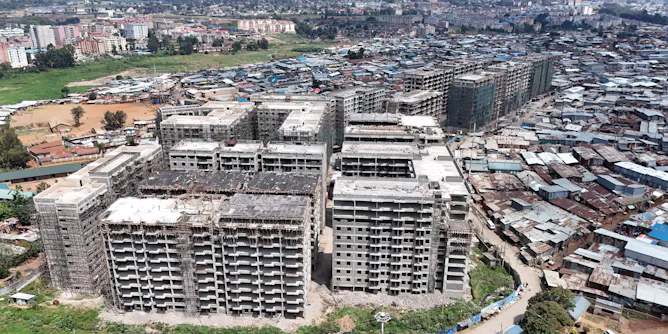
The success of Kibera’s transformation will not be measured by the number of apartment blocks completed.
Articles on Nairobi slums
Displaying all articles

Programmes to address transactional sex need to be customised. The drivers change from country to country.

Men and women experience and try to cope with stress in diverse ways.
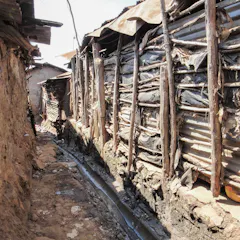
Hypertension is a manageable condition – but left untreated, it can damage organs such as the kidneys, heart and brain.
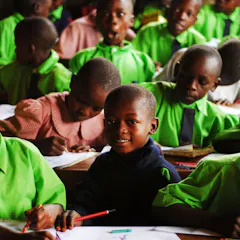
Parents are enablers, motivators and facilitators of their children’s education.

The Ngara project is only 17% complete but has so far generated 650 direct jobs for artisans.

CC BY-NC-ND14.2 MB (download)
The place names of Nairobi’s informal settlements offer a glimpse into the realities of people who live there.
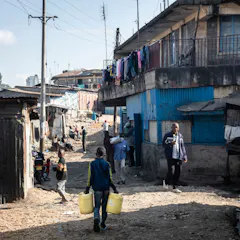
CC BY-NC-ND11.3 MB (download)
The main reason for the growth of the informal water market is government failure to deliver adequate public services.
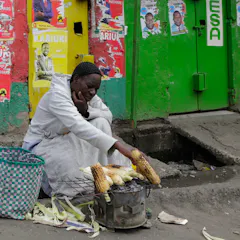
A study in Kenya found that that there’s an association between relatively higher economic status and obesity in a slum setting.
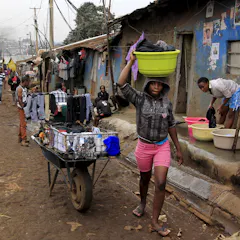
Despite increased global awareness about poor conditions in slums, the health of their inhabitants is a little studied phenomenon.
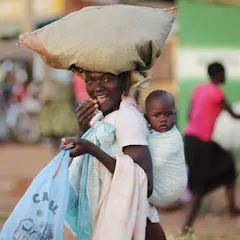
For most women, participating in the labour force is dependent on whether they have adequate child care they can rely on.
Top contributors
-

Research Scientist, African Population and Health Research Center
-
Policy Outreach Manager , African Population and Health Research Center
-
Dornsife Endowed Professor of Global Health, Drexel University
-
Head of Urbanisation and Wellbeing, African Population and Health Research Center, African Population and Health Research Center
-
Research Fellow, The University of Melbourne
-
Postdoctoral fellow, African Population and Health Research Center
-
Lecturer, Technical University of Kenya
-
Professor of Land Taxation, Urban Economics and Property Valuation, University of Nairobi
-
Professor in the Department of Architecture & Building Science, University of Nairobi
-
Associate professor, University of Delhi
-
Research Scientist, African Population and Health Research Center
-
Real Estate Lecturer, University of Nairobi
-
Phd professor sociology of development, Université catholique de Milan
-
Research Associate (African Cities), University of Manchester
-
Associate Researcher, Max Planck Institute for Social Anthropology