
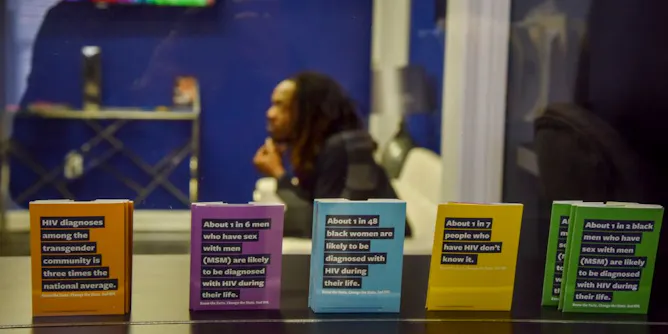
Over half of new HIV diagnoses in the US are in the South. Black men who have sex with men are hit the hardest; for them, preventing HIV is a matter of trust, identity, family and faith.
Articles on Men who have sex with men
Displaying 1 - 20 of 22 articles

PrEP can reduce the risk of sexually transmitted HIV infection by 99%. Discrimination and distrust are two barriers Black gay men face in accessing this lifesaving treatment.

In Namibia it’s a criminal offence for men to have sex with men – but the high court has overturned this as unconstitutional. The state will no doubt appeal.

Same-sex relationships in Zulu culture are perceived as taboo and unAfrican. Some men who have sex with men avoid seeking care at health clinics.
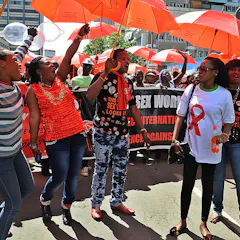
Sex workers have a deep understanding of their needs but development partnerships tend to prioritise scientific knowledge.

Many people at heightened risk for HIV have never been tested. Those who have self-tested for HIV often don’t go on to receive care or change their sexual behavior.
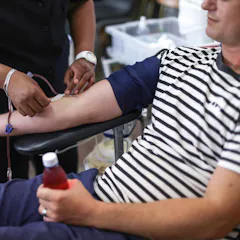
In 1983, during the early days of the AIDS epidemic, the US Food and Drug Administration made the decision to ban gay men from donating blood. Now, 40 years later, it is dropping that rule.

The term ‘MSM’ allows public health interventions to gloss over the social, political and cultural complexities of identity. But it’s not without its limitations.
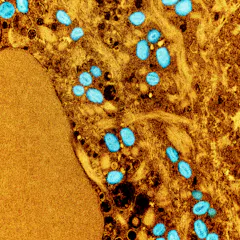
Monkeypox is not considered an STI but is spreading among sexual partners. Adding sexual health strategies to the public health response is helpful, but there is a danger of stigmatizing MPXV.

Engaging in open and honest dialogue with the public to increase understanding of health inequities has never been more important.
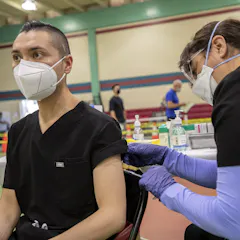
As monkeypox vaccination programs roll out and health authorities work to reduce the spread of the virus, progress is lagging on renaming it.
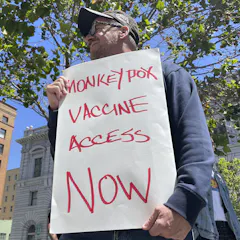
Some of the sexual moralising we saw with HIV is still with us. That makes it harder for men who have sex with men to come forward for vaccines and testing.

While the majority of monkeypox cases thus far have been recorded among men who have sex with men, everyone is still at risk of contracting the disease.
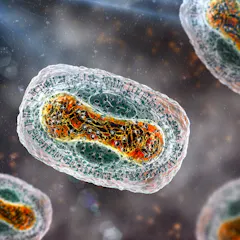
How it spreads and how to protect yourself.

Most cases in the current global outbreak are occurring among men who have sex with men. So how can this group and others who are at risk protect themselves?

This finding suggests public health efforts will have to address the treatment barriers these men face – like poverty or homophobia – to meet the nation’s goal of ending the HIV epidemic by 2030.
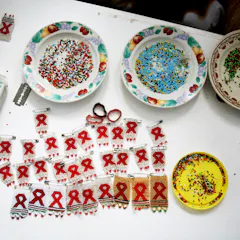
Stigma and criminalisation of same-sex relationships makes it difficult for transgender women and men who have sex with men to seek preventive services. This compounds their risk for HIV infection.
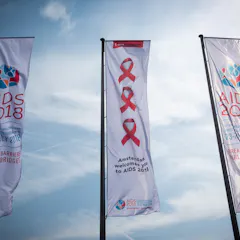
The HIV epidemic is far from over and it’s not time to disengage, says International Aids Society President Linda-Gail Bekker.

In many parts of sub-Saharan Africa men who have sex with men encounter stigma and prejudice when accessing health services.

South Africa’s data rollout of its pre-exposure prophylaxis shows that there is a relatively slow, but increasing, uptake. However, more needs to be done to target young women.
Top contributors
-

Assistant Professor of Public Health, University of Iowa
-
Professor of medicine and deputy director of the Desmond Tutu HIV Centre at the Institute of Infectious Disease and Molecular Medicine, University of Cape Town
-
Director of Implementation Science, Wits Reproductive Health & HIV Institute, University of the Witwatersrand
-
Associate Professor and Director: Research at the Wits Reproductive Health and HIV Institute I, University of the Witwatersrand
-
Professor of Epidemiology and Public Health, University of Malawi
-
Extraordinary Professor in the Department of Medical Microbiology, University of Pretoria
-
Professor of Health Promotion, Education and Behavior, University of South Carolina
-
Professor of Infection and Inequities, Centre for Immunobiology, Blizard Institute, Faculty of Medicine and Dentistry, Queen Mary University of London
-
Associate Professor of Epidemiology, Texas A&M University
-
Ph.D. Candidate in Community and Behavioral Health, University of Iowa
-
Assistant Professor of Health Behavior and Health Promotion, The Ohio State University
-
Postdoctoral Fellow, University of South Africa
-
Adjunct Professor of Public Policy and Social Welfare, University of California, Los Angeles
-
Assistant professor, Division of Infectious Diseases, Queen's University, Ontario
-
Post-doctoral researcher, KEMRI-Wellcome Trust Research Program, Kenya Medical Research Institute