
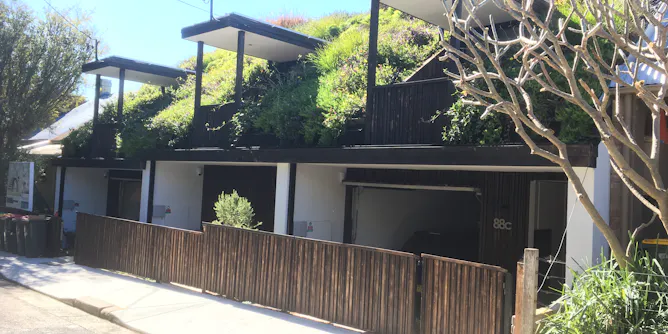
Research shows if Australia encourages greenery on buildings, it will reduce temperatures in the city, as well as potential for flash flooding. It also creates new habitats and socialising spaces.
Articles on Melbourne
Displaying 161 - 180 of 270 articles
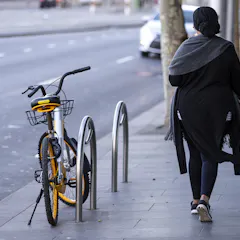
Dockless or stationless bike sharing is risky business, relying a bit too much on common decency. Bike sharing schemes can work, but they may need to forego user convenience for bike safety.
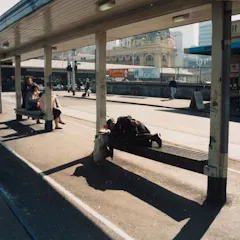
When the city centre was revitalised in the 1990s, homeless people were pushed out. With homelessness rising today, it’s important to recognise the links between urban development and displacement.
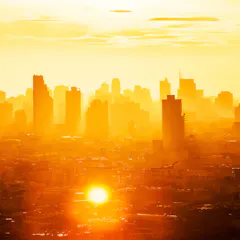
How to move beyond the warm words about tackling urban heat islands to doing something about them.

A walk down Melbourne’s streets reveals more commercial street art than the spontaneous politics of years past.

In the 1970s, both Kyoto and Melbourne made fateful decisions about their transport networks. Melbourne today enjoys the benefits of trams, while Kyoto lives with the consequences of losing them.
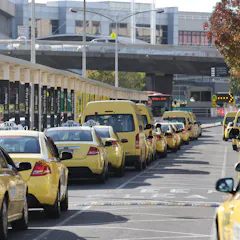
Good public access for Melbourne Airport and others like it depends on not fixating on one solution, like a single rail line, but instead developing multiple options integrated with the city’s needs.
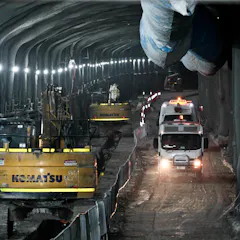
Analysis of the business cases for three of the biggest projects deemed “high priority” by Infrastructure Australia raises questions about the process.
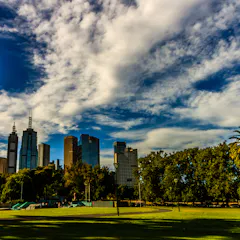
Australian cities are experiencing the third big wave of growth in their history. The response in the past was planning and investment in green infrastructure, and it’s time to do the same again.
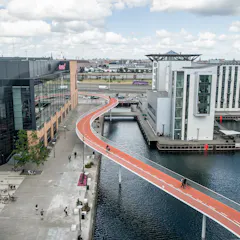
New analysis reveals just how little is spent on cycling and walking projects around Australia. No state’s spending on cycling is more than 1.5% of its road funding.

The population growth is in the west, but most of the jobs are still in the city centre. Three major development proposals could help reshape Melbourne in ways that help overcome this costly mismatch.
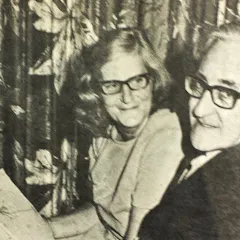
Ruth and Maurie Crow were early advocates of the compact city. They also warned 50 years ago that a clear justice intent was needed to shape cities for their citizens rather than vested interests.
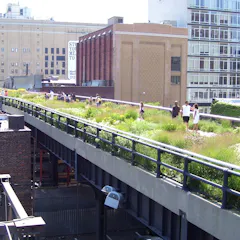
If the nature we desire is, in fact, its expression as untamed wildness, then we should turn to the creativity of artists as well as urban designers when building our cities.
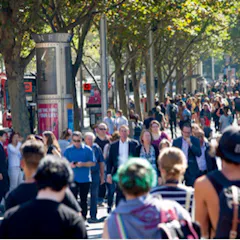
The vitality that defines central Melbourne today did not emerge overnight. Rather than being born of one grand vision, it’s the result of many astute, incremental changes that revitalised the city.
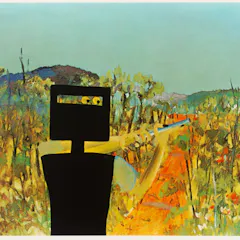
In the 1940s, the renowned Anglo-Australian artist became an outlaw just like his most famous subject, Ned Kelly.
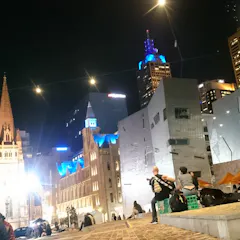
It took Melbourne a very long time to create a civic square that served the citizens rather than commerce. Now an Apple store is to be built there, unless parliament supports a disallowance motion.
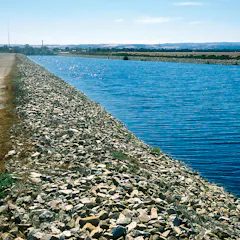
Cities all over the world are facing growing challenges to provide clean, reliable water. And many of the fixes, such as desalination plants, have a huge carbon footprint.
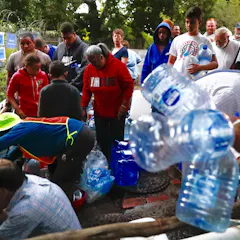
The situation in Perth in particular has some parallels to that of Cape Town, but Australian cities responded to the last big drought by investing in much bigger water supply and storage capacity.
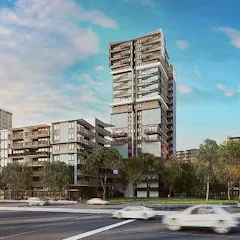
The Victorian government isn’t alone in seeking private partners to renew public housing. What is notable is its lack of transparency by comparison with such arrangements elsewhere.
Looking back through all Melbourne’s strategic plans from 1929 onwards, it becomes clear that the 20th-century legacy of car-centric planning and its focus on parking is still deeply entrenched.
Top contributors
-

Research associate, The University of Melbourne
-
Professor, Director of Research, Nursing and Midwifery, Monash University
-
Senior Research Fellow, Healthy Liveable Cities Group, Centre for Urban Research, RMIT University
-
Professor of Biostatistics and Epidemiology, Adelaide University
-
Professor of Urban Planning, The University of Melbourne
-
Professor, Director Australian Urban Observatory, Centre for Urban Research, RMIT University
-
Associate Principal Research Fellow, Burnet Institute
-
Senior Lecturer in Urbanism, University of Sydney
-
Housing Policy Researcher, Expert Advisor, Housing Assessment Resource Tools and Adjunct Professor, L’Université d’Ottawa/University of Ottawa
-
Chair in Epidemiology, Deakin University
-
Adjunct professor, School of Media and Communications, RMIT University
-
Associate Professor in Food Systems, The University of Melbourne
-
Senior Lecturer in Journalism, Monash University
-
Professor of Nursing and Health Services Research, University of Newcastle
-
Professor of International Planning, Centre for Urban Research, RMIT University