
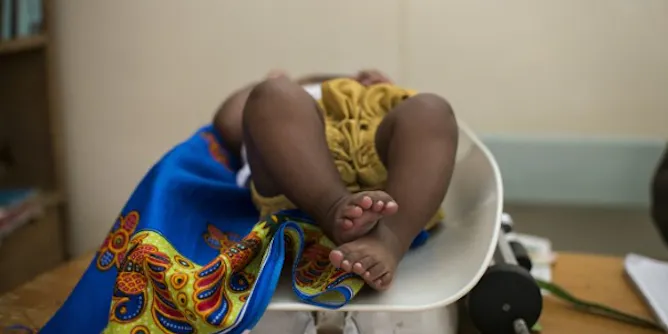
When governments have evidence, they are better placed to develop health policies and programmes.
Articles on Maternal and child health
Displaying 21 - 38 of 38 articles
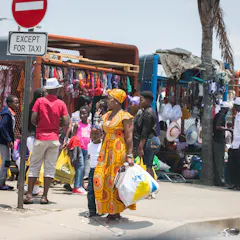
It’s difficult to keep track of the medical records of patients on the move and some may be lost to follow-up, presenting further public health challenges and population-wide risks.

Encouraging your baby to be active can improve their health in other areas too.
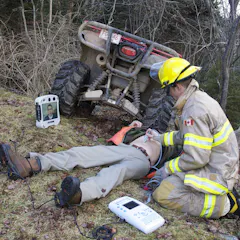
A remote medicine program in Saskatchewan allows acutely ill children and pregnant women to be treated by specialist doctors, without leaving their communities.
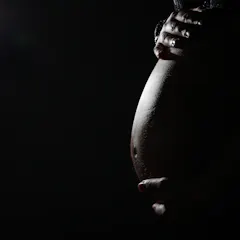
Each year an estimated 100 000 women have complications during childbirth which leave them with obstetric vaginal fistula.

The shift from daylight saving time will leave kids’ body clocks an hour “out of sync”, in a similar way to jet lag. Here are some evidence-based strategies to deal with this.

Domperidone raises levels of prolactin, which increases the production of breast milk. It’s safe for mothers and babies, but not all women will experience the same increase in milk volume.

Meningococcal is a rare but very serious infection that can lead to blood poisoning and brain infection. But no single vaccine protects against all the strains.

Parental well-being is being adversely affected by baby advice which isn’t backed by evidence.

Women who don’t get enough to eat while pregnant face a high risk of developing common mental illnesses like depression and anxiety during pregnancy and after giving birth.
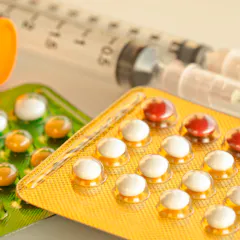
Strong political support, community engagement and effective strategies can improve access to family planning in developing countries.
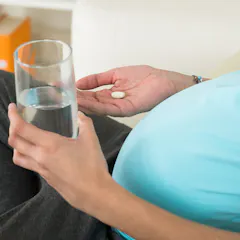
A study has shown an association between antidepressants in pregnancy and risk to the baby. But there are many factors to consider if deciding whether to stay on an antidepressant if you’re pregnant.
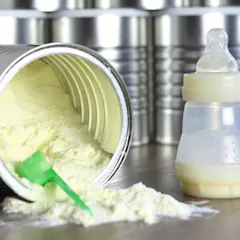
Parents need to know the truth about formula milk.

Childhood obesity is increasing and is most common for children living in disadvantage. But it’s preventable if we begin from the start of life.

The burden of communicable disease is declining in Africa and life expectancy is increasing. But non-communicable diseases like diabetes, cardiovascular disease and cancer are wreaking havoc.
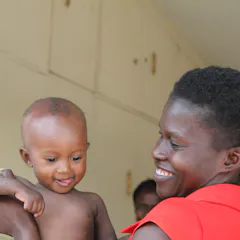
In Kenya, not much attention has been paid to addressing pregnant women’s nutritional needs. This has exposed a gap in efforts to improve maternal and child health.
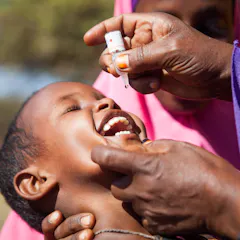
Every year hundreds of thousands of children die from vaccine-preventable diseases. Africa leaders could change this if they improved vaccination efforts.
Despite Nigeria’s success in eradicating polio, it is struggling to get a grip on mother and child vaccinations.
Top contributors
-

Channel 7 CRF Fellow in Medicines Use and Safety, Flinders University
-
Director of the Translational Research and Social Innovation group, School of Nursing and Midwifery, Western Sydney University
-
Extraordinary Professor, Global Health, Stellenbosch University; South African Medical Research Council
-
Professor in Breastfeeding Research, La Trobe University
-
Senior lecturer, The University of Melbourne
-
Post-Doctoral Research Scientist, African Population and Health Research Center
-
Director of Women’s Mental Health at Austin Health – Northpark Private Hospital, Professor, The University of Melbourne
-
Professor, Institute for Physical Activity and Nutrition (IPAN), Deakin University
-
Director of the Perinatal Mental Health Project; Associate Professor, University of Cape Town
-
Professor Population Nutrition, Deakin University
-
Professor, The Children's Hospital at Westmead Clinical School and Sydney Infectious Diseases Institute, University of Sydney
-
Adjunct professor, Southern Cross University
-
Senior Research Officer at Centre for Public Health Research , Kenya Medical Research Institute
-
Research Officer at Medical School, Swansea University
-
Associate Professor in Public Health and Wellcome Trust Career Development Fellow, Swansea University