
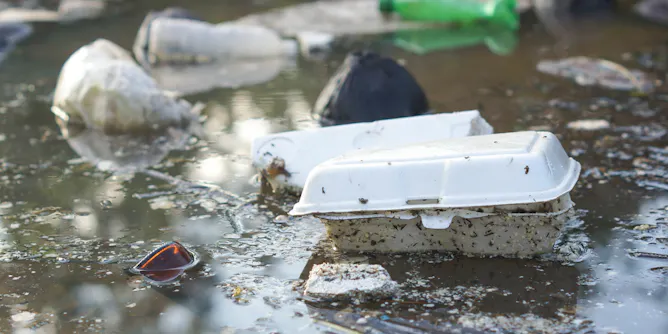
Taxing plastic takeaway boxes will help to reduce the massive amount of plastic which is dumped into the oceans.
Articles on Marine plastic litter
Displaying 21 - 32 of 32 articles
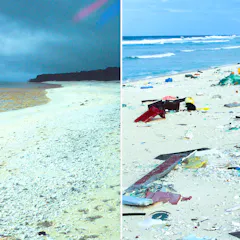
After making worldwide headlines with the story of the Pacific “garbage island”, researchers were sent a photo of the same beach, white sand free of litter, as recently as 1992.
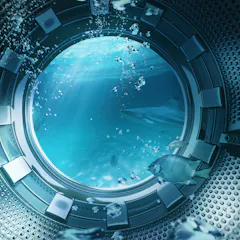
Tiny fibres from washing machines are being eaten by a multitude of marine species.
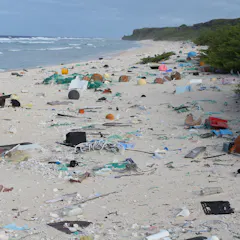
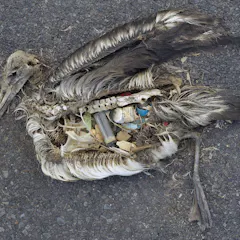
Plastics pose a major threat to seabirds and other animals, and most don’t ever break down - they just break up. Every piece of petrochemical-derived plastic ever made still exists on the planet.
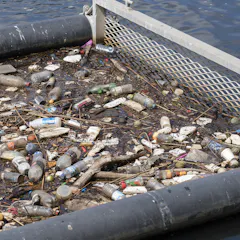
Refunds for drink bottles and cans get litter out of the environment – but industry remains opposed.
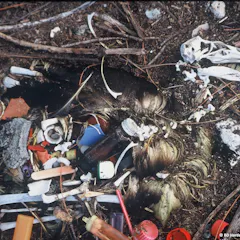
By 2050, 99% of the world’s seabird species will be accidentally eating plastic, unless we take action to clean up the oceans. And some of the highest risk to wildlife is in the Southern Ocean off Australia.
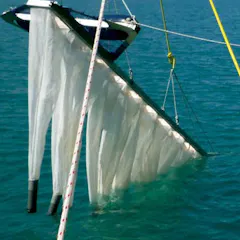
We dump more plastic into the ocean each year than we’ve been able to find. New research says much of it is lurking just below the waves.
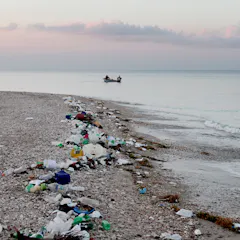
You might have heard the oceans are full of plastic, but how full exactly? Around 8 million metric tonnes go into the oceans each year, according to the first rigorous global estimate published in Science…
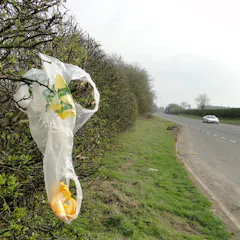
After months of deliberation and consultations, the UK government’s long-awaited announcement about a plastic bag charge arrives, only for Defra to shoot it full of holes by opting to exempt retailers…

The European Parliament has voted in a draft law aimed at halving the use of plastic bags across the continent by 2017, and further reducing them by at least 80% by 2019. This positive move is aimed at…
New research by the University of Tasmania has examined the toxic affects of seabirds ingesting marine plastic pollution…
The recent storms have transformed many of the nation’s coasts – blasting away the sand from beaches, eroding cliffs, and damaging properties. More surprising is the sudden and often dramatic appearance…
Top contributors
-

Senior Principal Research Scientist, Environment, CSIRO
-
Senior Principal Research Scientist, CSIRO
-
Lecturer in Ornithology, Charles Sturt University
-
Senior Lecturer in Management, University of Kent
-
Professor of the Oceanography Institute, Universidade Federal do Rio Grande (FURG)
-
Professor of Coastal Oceanography, The University of Western Australia
-
Research Chair, Indigenous Approaches to Environmental Management, Keele University
-
Research Scientist, Oceans and Atmospheres, CSIRO
-
Research fellow, University of Leeds
-
Professor of Sustainable Development, Keele University
-
Research fellow, BehaviourWorks Australia, Monash Sustainable Development Institute, Monash University
-
Professor and Chair, Environment and Human Health, University of Exeter
-
Oceanographer, The University of Western Australia
-
Senior Lecturer in Animal Ecology, University of the Sunshine Coast
-
Director, BehaviourWorks, Monash Sustainable Development Institute, Monash University