
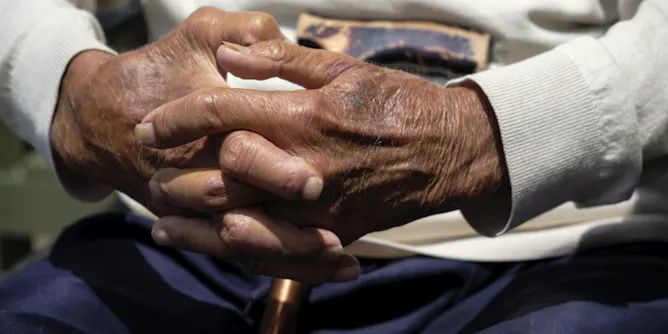
As the government considers major aged-care reform, research points to how a new system could better support kaumātua and whānau.
Articles on Māori health outcomes
Displaying all articles
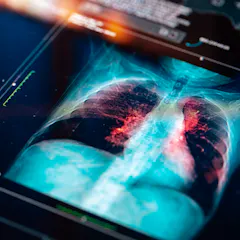
Half of all GP practices in New Zealand have closed their books to new patients. This means people are going on emergency departments for care – with deadly outcomes when it comes to lung cancer.

While telehealth doctor appointments can increase the accessibility of health care, online medicine misses a key element to improve health outcomes in rural communities: continuity of care.
Age and education level are the main factors associated with vaccine hesitancy. While this affects Māori and Pacific communities, basic access to health care and information is more important.
Māori are historically at greater risk of severe illness and death during pandemics. New research shows they are at least 50% more likely to die from COVID-19 than other New Zealanders.
Stroke is New Zealand’s third highest cause of death, but few people recognise its symptoms and risk factors, particularly in Pasifika and Māori communities where stroke affects more people.

A major review of New Zealand’s health system points to systemic racism as a reason for disparities in health outcomes for Māori. But it was split on the role a proposed new Māori agency should play.
Top contributors
-

Associate Professor (cerebrovascular epidemiology), Auckland University of Technology
-
Research assistant, University of Auckland, Waipapa Taumata Rau
-
Professor in Applied Mathematics, University of Canterbury
-
Communications Manager
-
Senior research fellow, University of Otago
-
Director of the Roy McKenzie Centre for the Study of Families and Children, Te Herenga Waka — Victoria University of Wellington
-
Lecturer, Department of Public Health, University of Otago
-
Honorary Associate Professor, University of Auckland, Waipapa Taumata Rau
-
Researcher, University of Auckland, Waipapa Taumata Rau
-
Associate Professor of Population Health, University of Waikato
-
Senior Research Fellow, Te Ngira Institute for Population Research, University of Waikato
-
Associate Dean, University of Auckland, Waipapa Taumata Rau
-
Senior Research Fellow, School of Health, University of Waikato
-
Professor of Population Health, University of Waikato
-
Senior Lecturer in Māori Health, Co-Director Centre for Co-Created Ageing Research, University of Auckland, Waipapa Taumata Rau