
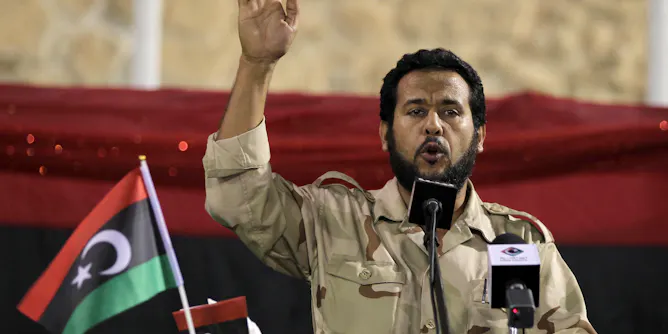
Three key rulings by the UK Supreme Court and their legal implications.
Articles on International law
Displaying 361 - 380 of 538 articles
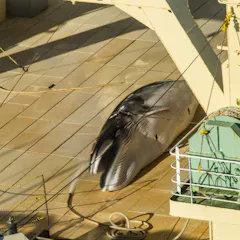
Japan is once again allegedly killing whales in Antarctica. But after taking Japan to international court in 2014, there’s not much Australia can do.
Plenty of African states bristle at the rest of the world’s eagerness to prosecute crimes committed on the continent. Some are finding other ways to do it.

In December 1966, international law created several degrees of separation between different sets of human rights. Today, we must fix this.
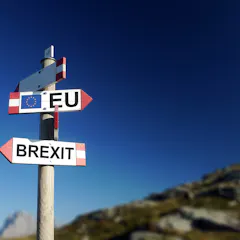
Britain has a number of bilateral treaties with Eastern European countries that will remain after Brexit.
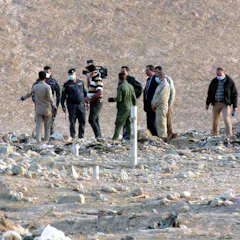
When mass graves are disturbed, it makes it harder to find out the truth about what happened.
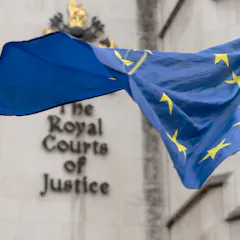
You might be familiar with Article 50, but Article 127 of another European treaty could be as important when it comes to Brexit.

The extradition process for Australian citizen Neil Prakash could be prolonged, as Turkey and other countries may want to interrogate him or seek his extradition.
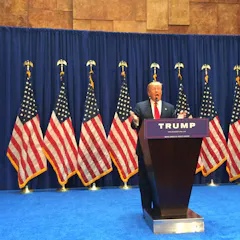
Donald Trump will soon have command of thousands of nuclear weapons. This presents a new and unknown threat to global security - and an urgent incentive for all states to ban nuclear weapons.
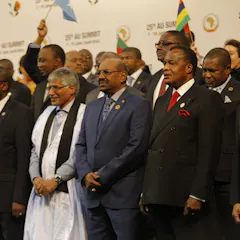
Arguably Africa’s most powerful diplomatic player, South Africa is now backing out of the world’s most important mechanism for bringing war criminals to justice.

Changes that would widen the gulf between Australian practice and international standards should be avoided at all costs.
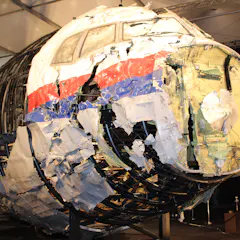
The Lockerbie trial illustrates several challenges that are likely to arise again in the pursuit of justice for those killed on Flight MH17.
Historically, Australia’s broader policy approach to war crimes and war criminals has lacked a clear and coherent foundation.
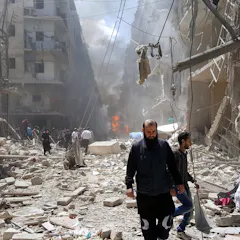
Under proposed changes, the war crime offence of murder, in a non-international armed conflict, would not apply to collateral civilian deaths resulting from an otherwise lawful attack.
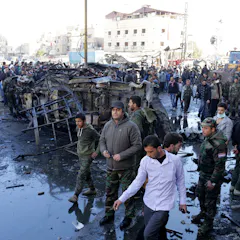
Even if the war in Syria is somehow brought to a close, prosecuting IS members for the crimes they’ve committed won’t be easy.
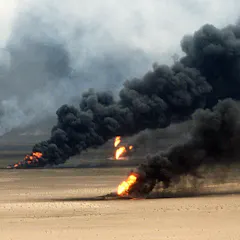
But criminal sanctions alone aren’t enough. We also have to make individuals and firms financially liable for their actions.
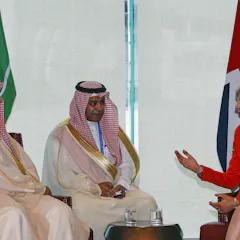
While Yemen burns, Theresa May’s government plays with words.

There are a number of laws that Arctic states and indigenous peoples can turn to to protect their environment.

What’s shocking about the treatment of detainees in youth detention is not so much the treatment of those vulnerable people, but that it is happening in a wealthy country like Australia.
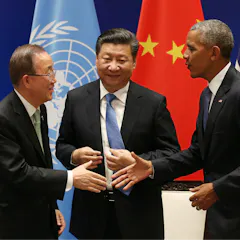
Unlike the Kyoto Protocol, which languished for years, the Paris climate agreement is rocketing towards the threshold for it to enter into international law – leaving Australia in its wake.
Top contributors
-

Professor in Human Rights and International Law, University of Newcastle
-
Professor of International Law, Australian National University
-
Associate Professor (Law), Edith Cowan University
-
Course Co-ordinator, International Law Clinical Program, ANU College of Law, Australian National University
-
Associate Professor, The University of Western Australia
-
Associate Professor of Law, Member of Deakin Cyber and the Centre for Law as Protection, Deakin University, Deakin University
-
Senior Visiting Scholar with the Center for the Study of Genocide and Human Rights, Rutgers University
-
Adjunct Professor, Institute for Marine and Antarctic Studies, University of Tasmania
-
Challis Chair of International Law, Sydney Law School, University of Sydney
-
Professor of Law, University of Waikato
-
Associate Professor of Politics and Global Studies, Arizona State University
-
Scientia Professor and ARC Laureate Fellow, Kaldor Centre for International Refugee Law, UNSW
-
Professor of Law and International Peace Studies, University of Notre Dame
-
Associate Professor, Deakin Law School, Deakin University
-
Adjunct Professor in Law, The University of Western Australia