
After 35 years, AIDS has changed the way the globe thinks about health, culture, and politics.
Articles on International Aids Conference 2016
Displaying 21 - 36 of 36 articles
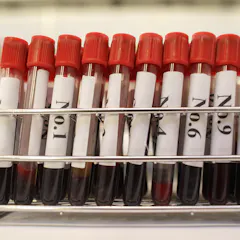
Despite the breakthroughs in HIV and AIDS research, without an effective vaccine, the world will not get to zero new infections and deaths.

Globally, the health community is moving to a point where there could be zero new HIV infections or deaths. But it has been a long road.
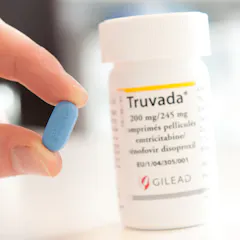
Young women in southern Africa are most at risk of becoming infected with HIV. If they take a pre-exposure prophylaxis like Truvada it could change their lives.

South Africa’s programmes preventing HIV transmission from mothers to children have been hugely successful. But there are still gaps that need to be filled.
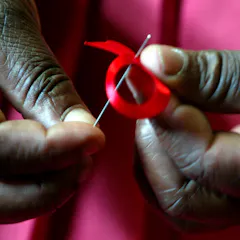
Women who were found to have lied in a clinical trial testing anti-HIV drugs were heavily criticised. But there are several factors that drove them to lie.
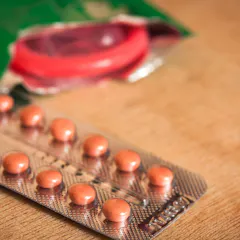
Scientists are developing various products that can provide contraception and protection from sexually transmitted infections and HIV at the same time.
Although men make up two-thirds of HIV-related deaths, there are not enough services geared towards helping them.

For pregnant HIV-positive women taking anti-retrovirals is critical for their babies’ health. Intimate partner violence affects adherence, and must be addressed as part of women’s HIV treatment.
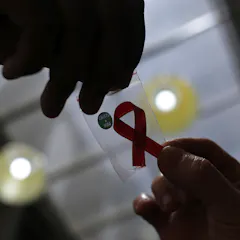
With nearly one-fifth of the globe’s HIV positive population, South Africa has the largest anti-retroviral program in the world. But HIV prevention still presents a big challenge for the country.
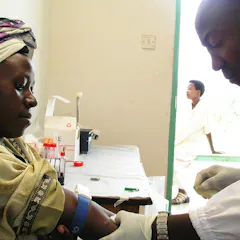
Two major clinical trials will be conducted in South Africa in 2016 to test ways of preventing new HIV infections.

Malawi and Tanzania have created programs to provide sexual and reproductive health services and HIV interventions. But men who have sex with men say it’s still difficult to access care.
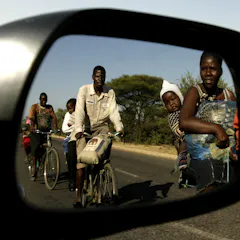
Material deprivation and young people desiring the latest fashion trends are motivating the transactional sex relationships in Malawi’s urban slums.
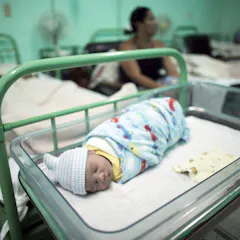
There are many lessons Southern Africa can learn from Cuba, which became the first country in the world to eradicate mother to child transmissions of HIV and syphilis.
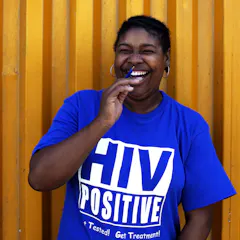
June 5 2015 marks 34 years since the first reports of AIDS in a medical journal.
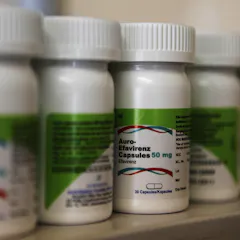
Novel research in South Africa has found way to test for HIV drug resistance in a cheap and accessible way.
Top contributors
-

Professor of Global Health and Director, O'Neill Institute, Georgetown University
-
Associate Professor and Director: Research at the Wits Reproductive Health and HIV Institute I, University of the Witwatersrand
-
Professor of Epidemiology and Public Health, University of Malawi
-
Director of the Africa Centre for Population Health and Professor of Virology, University of KwaZulu-Natal
-
Professor of Health Economics and Policy and Pharmaco-economics/pharmaco-epidemiology in the Departments of Health Administration & Management and Pharmacology and Therapeutics, College of Medicine, University of Nigeria
-
Distinguished Professor, Infectious Disease and Oncology Research Institute, Faculty of Heath Sciences, University of the Witwatersrand, Executive Director Perinatal HIV Research Unit, Chief Scientific Officer, South African Medical Research Council
-
Associate Professor in Medical and Health Humanities, University of Cape Town
-
Lecurer, Department of Psychology, University of Cape Town
-
Senior Research Scientist, African Population and Health Research Center
-
Senior Honorary Lecturer on Infectious Diseases, UCL
-
Honorary Senior Lecturer, School of Public Health, University of Cape Town
-
Associate Professor of Otolaryngology, The Ohio State University
-
Clinical Research Fellow, The Peter Doherty Institute for Infection and Immunity
-
Director: Clinical Trials, Wits Reproductive Health and HIV Institute, University of the Witwatersrand
-
Director of Implementation Science, Wits Reproductive Health & HIV Institute, University of the Witwatersrand