
A survey of leading economists prescribes tough medicine for the next state government.
Articles on Infrastructure
Displaying 1 - 20 of 764 articles
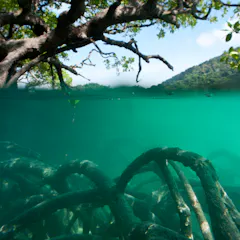
Nature can protect coastlines, watersheds and waterways for a fraction of the cost of traditional infrastructure. Why isn’t it mainstream?

Under Bill C-39, Ottawa would be able to permit preliminary construction to begin, before environmental impact assessments are completed.
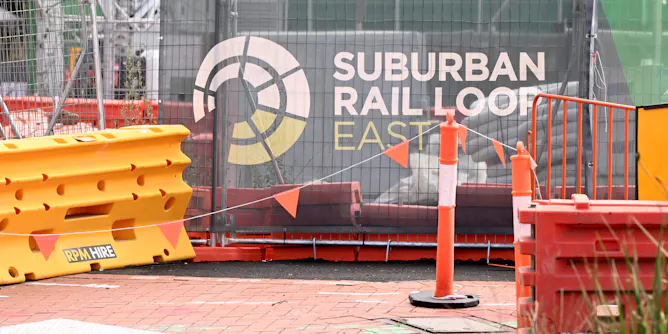
From the $93 billion High Speed Rail project to Melbourne’s Suburban Rail Loop, Australia needs a better approach on megaprojects – or history will keep repeating,
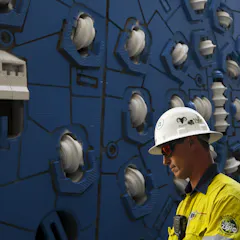
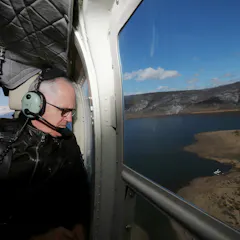
The original costings for Snowy 2.0 were wildly optimistic. But the troubled scheme is close to completion – and will help power the grid as coal exits.
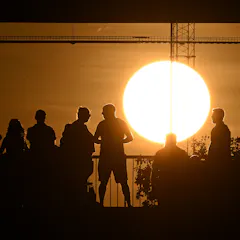
One Australian city has formed a taskforce to better protect its residents from sweltering temperatures.
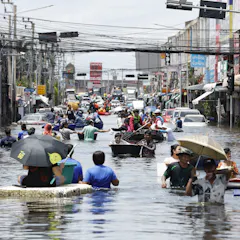
Thai authorities have declared a city-wide disaster zone following the deaths of at least 31 people.

A regional permafrost map can’t tell a builder if a particular foundation or road will survive as temperatures rise. Engineers need to see beneath the surface to find the weaknesses.
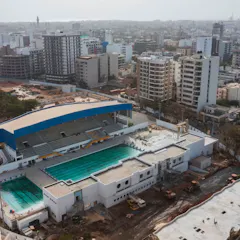
For the Youth Olympic Games, Senegal has relied heavily on substantial direct public funding with support from its partners.
These mobile power systems could be a lifeline for remote, island and disaster-prone places.
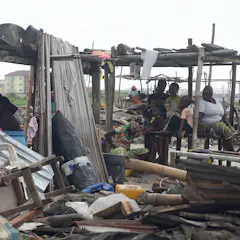
Residents whose homes cluster along waterways, canals and shorelines have built organised systems for living with climate change.
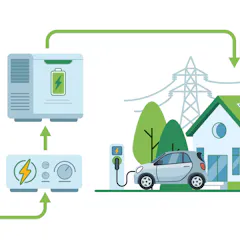
Our transport infrastructure and logistics supply chains were built for a stable environmental and energy baseline that no longer exists.
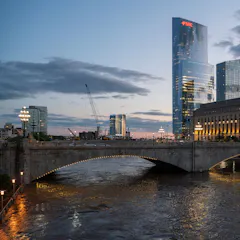
Many levees built in the mid-1900s do not offer enough protection for today’s storms, and small rural communities in particular struggle to afford needed upgrades.

The federal government has softened its initial renewables-only stance.
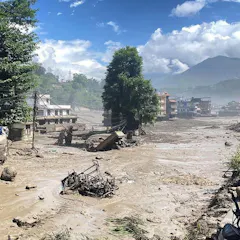
Recovery time between climate disasters makes a huge difference to the consequences affecting local people.
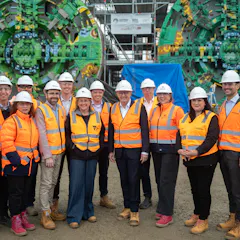
It is an unenviable position for a government to have potentially misallocated tens of billions of dollars to poorly selected infrastructure.

A new study reveals what unsustainable construction practices are costing our climate – and what must change.

Tighter regulation and careful planning will ensure our public chargers actually work.
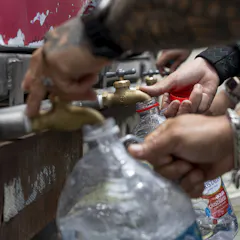
Drought and a ruptured pipeline have forced Puerto Rico into revolving water shut-offs. For many people, the disruption started years earlier, as did loss of faith in the utility.
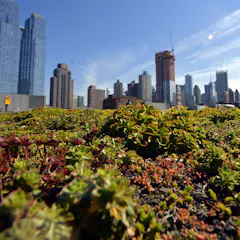
The success of green roofs depends on more than just good intentions and engineering – they need long-term love and care.
Top contributors
-

Transport and Cities Program Director, Grattan Institute
-
Professorial Fellow, University of Canberra
-
Emeritus Professor of Public Policy, RMIT University
-
Associate Professor of Urban Planning, The University of Melbourne
-
Professor of Urban Policy and Director, Urban Futures Enabling Impact Platform, RMIT University
-
Senior Lecturer in Urban Planning, University of Auckland, Waipapa Taumata Rau
-
Professor of Sustainability, Curtin University
-
Executive Director, Better Infrastructure Initiative, John Grill Centre for Project Leadership, University of Sydney
-
Executive Co-Director, UNU Hub on Empowering Communities to Adapt to Environmental Change, Institute for Water, Environment and Health, United Nations University; University of Calgary
-
Director of Energy Studies, University of Florida
-
Proprietor - Hale Consulting, The University of Melbourne
-
Professor of Earth & Environmental Sciences and Executive Director, Environmental Resilience Institute, Indiana University
-
Director, Centre for Western Sydney, Western Sydney University
-
Head of Urbanism and Associate Professor of Urban Studies, School of Architecture, Design and Planning, University of Sydney
-
Distinguished Research Professor and Australian Laureate, James Cook University