

The ‘egg timer’ blood test is marketed as an empowering way to give women insights to help them plan when to have children. Problem is, it can’t deliver what it promises.
Articles on Infertility
Displaying 21 - 40 of 105 articles

At-home tests can only provide a partial picture of your fertility.

We asked 1,000 people why they hadn’t donated their eggs or sperm, and their responses tended to fall in four categories.

Both cancer and cancer treatment can impact someone’s ability to have biological children. It’s important to discuss fertility right after cancer diagnosis.

From next year, uterus transplants are being trialled in Australia. But it’s likely to be a while before they becomes mainstream clinical treatment.

The emotional toll of involuntary childlessness continues well past the period of actively trying to conceive.

A pending bill in Colorado would disclose donor information to children and their parents and set limits on how many families can use a single individual’s egg or sperm.

People living with endometriosis wait an average of 7.5 years for a diagnosis. Social science researchers are working to identify ways to help reduce this timeline.

Rich with evocative detail, an author’s personal account of childlessness has no neat narrative arc, but is touched by grace and acceptance.

Some of the most persistent myths about COVID-19 vaccination have been false rumours that it can affect fertility in men or women. There has never been any evidence to support this misinformation.

Around 10% of women stop having periods and see the end of their fertile years much earlier than expected.

While most women who try for a baby will succeed, some won’t, and some will have fewer children than they had planned to have.
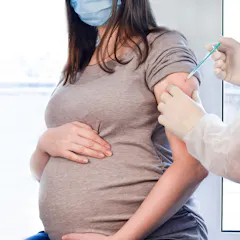
A COVID-19 vaccine does not cause infertility – but it can protect you from the dangerous complications of contracting the virus.
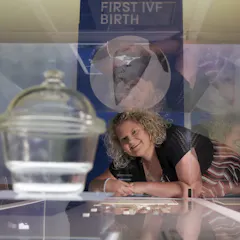
An unknown number of people have lost their dreams of parenthood because of storage disasters at fertility clinics. These experts note poor government oversight and the need for stronger regulation.
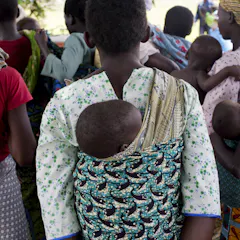
Despite the substantial negative impacts of infertility on health and well-being, it’s a neglected public health issue throughout much of the Global South, including Malawi.

The higher the chemical levels found in a woman’s blood, the fewer eggs they had left in their ovaries.
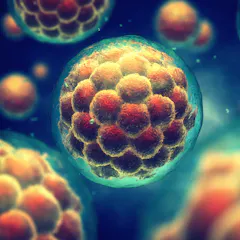
Plus, how a new wave of South African romcoms is reimagining Johannesburg. Listen to episode 17 of The Conversation Weekly podcast.

New findings suggest the loss of fertility at high temperatures is a major threat to the survival of some species.

Our study found that the longer it took a person to conceive, the poorer their health was in later life.
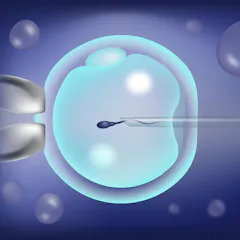
Our new study shows a widely used fertility treatment, known as ICSI, is no better than standard IVF for most people. Yet, it’s being routinely offered around the world.
Top contributors
-

Adjunct Senior Research Fellow, Global and Women's Health, School of Public Health & Preventive Medicine, Monash University
-
Associate Professor in Paediatrics and Reproductive Health, Adelaide University
-
Professor - Emerging Technologies (Stem Cells) at The University of Melbourne and Group Leader - Stem Cell Ethics & Policy at the Murdoch Children's Research Institute, The University of Melbourne
-
Senior Lecturer in Sociology, Lancaster University
-
Monash University
-
NHMRC Emerging Leader Research Fellow in Reproductive Health, School of Public Health, University of Sydney
-
Reader in History and Deputy Dean of Humanities (Research), University of Essex
-
Professor of Law, University of Virginia
-
Science Strategy and Operations Manager, Victorian Heart Institute, Monash University
-
Senior Lecturer, School of Social Sciences and Humanities, Loughborough University
-
Senior lecturer in reproductive Biology, University of Sheffield
-
Associate Professor in Philosophy & Chair of Faculty of Arts Human Research Ethics Committee, Macquarie University
-
Adjunct clinical professor, Monash University
-
Associate Professor in Reproductive Biology; Head, Oocyte Biology Research Unit, UNSW
-
Medical Sociologist, University of Oregon