
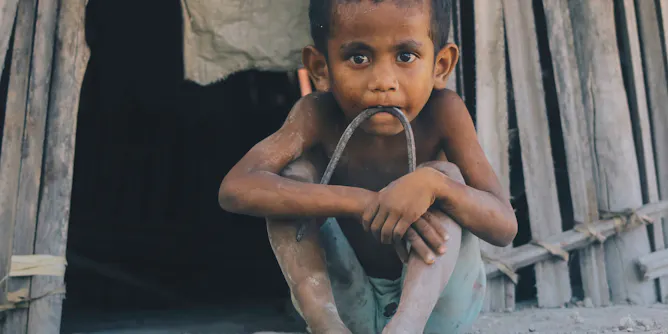
Bappenas conducted a simulation to predict how COVID-19 will impact poverty in Indonesia. Without intervention, the pandemic will drag at least 3.6 million Indonesians into poverty by the end of 2020.
Articles on Indonesia
Displaying 361 - 380 of 1070 articles
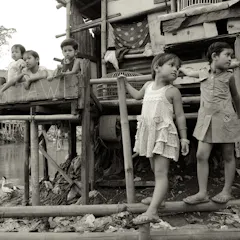
COVID19 threatens to reverse years of Indonesia’s positive trends in poverty alleviation. We highlight lessons from past policies to prevent another poverty hike during the pandemic.
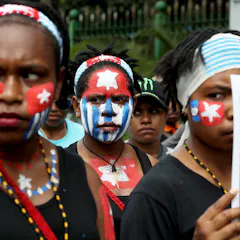
To bring attention to the renewed conflict in West Papua, Australian researchers are going back decades to document incidents of violence in a new mapping project.

With no place to wash hands and nowhere to physically isolate, many poor Indonesians are incredibly vulnerable as COVID-19 sweeps through the global south.
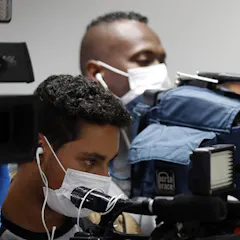
While Pacific communities need robust public health reporting, local media face harassment and arrest while covering the crisis.
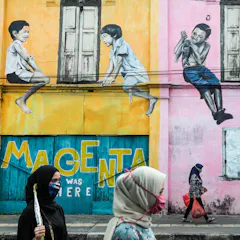
A holistic, cultural and local approach to fighting the COVID-19 pandemic is needed in Indonesia.
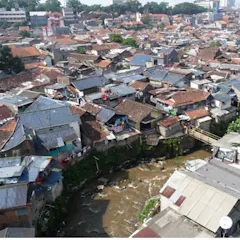
The plight of the urban poor affected by COVID-19 highlights the need to to reaffirm that adequate housing, water supply and sanitation are basic human rights.

Second-language learners from different age groups seem to have equal chances of becoming highly proficient speakers as long as they are placed in a supportive environment.
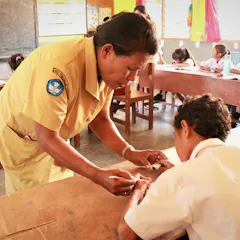
Female teachers perform better in the classroom and women principals lead to achieve better school management. But, female educators have to wait longer to be promoted.
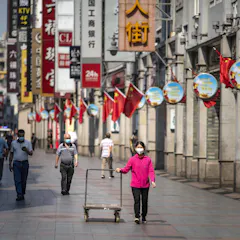
In time of crisis like today, instead of blaming one another, countries should foster international cooperation.

Democracies such as the United States, Italy and Spain, as well as Indonesia, have so far failed to control the spread of the virus.

Our research found how “blaming others” attitudes related to stigmas surrounding COVID-19 in Indonesia and Malaysia.
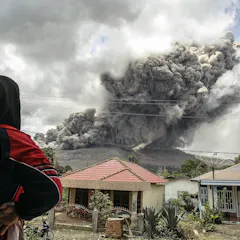
What is political will or political commitment to disaster risk reduction? Why is it important to measure political commitment? And how to measure it?
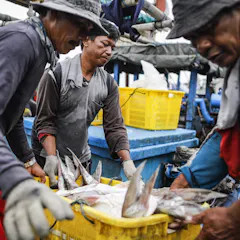
The patronage system – common in South-East Asia’s small-scale fisheries – indirectly perpetuates destructive fishing practices. However, opportunities exist to tap them as agents of change.
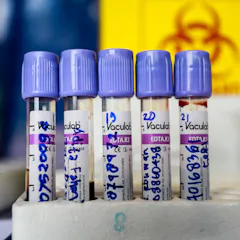
Unequal access to testing can lead to late diagnosis and preventable deaths due to COVID-19 among the poor people.

With its abundant sunshine and unique topography, Indonesia is able to generate 100% green electricity from its solar energy by 2050.
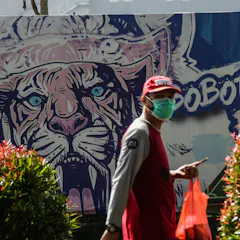
Social science researchers can help make sure contact tracing is carried out in all provinces in Indonesia.

During the transitional period between the Pleistocene and Holocene epoch, the Earth’s temperature underwent massive change, forcing prehistoric humans in Indonesia to change their diet.
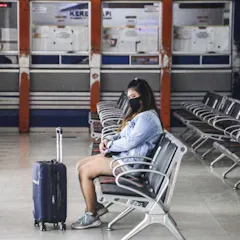
If China hopes to protect its economic interests in Southeast Asia’s largest economy and improve its global image, it should help Indonesia during this pandemic.
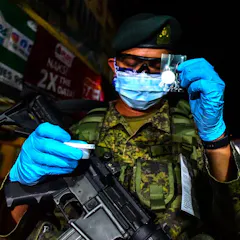
An external shock such as coronavirus merely presses pause on conflicts and offers little hope for solutions.
Top contributors
-

Malcolm Smith Professor of Asian Law and Director of the Centre for Indonesian Law, Islam and Society, The University of Melbourne
-
Adjunct Professor, Griffith Asia Institute, Griffith University
-
Associate Lecturer, School of Government, Universitas Jendral Achmad Yani
-
Director of China-Indonesia Desk, Center of Economic and Law Studies (CELIOS)
-
Professorial Fellow, University of Canberra
-
Lecturer, Department of International Relations, Universitas Gadjah Mada
-
Professor of Archaeology, Griffith University
-
Distinguished Research Professor and Australian Laureate, James Cook University
-
Professor, Bielefeld University
-
Lecturer in International Relations, Binus University
-
Dosen Hubungan Internasional, Universitas Islam Indonesia (UII) Yogyakarta
-
Professor in Soil-Landscape Modelling, University of Sydney
-
Visiting Fellow, ISEAS-Yusof Ishak Institute; Sunway University
-
Lecturer, Australian Catholic University
-
PhD Candidate in Politics and International Relations, Monash University