
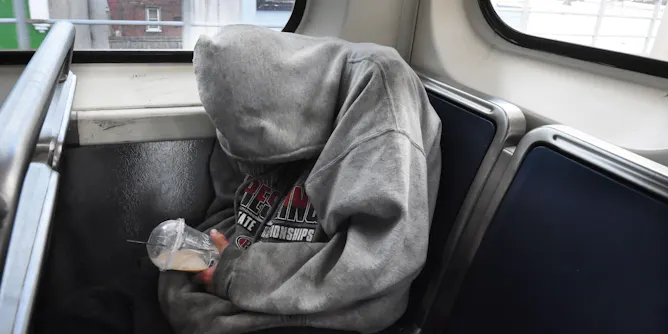
Nitazenes were developed as a powerful class of painkiller in the 1950s, but they were abandoned – until now.
Articles on Illicit drugs
Displaying 41 - 60 of 175 articles
The US has seen a huge rise in drug deaths in the past decade involving a stimulant and a depressant.

The problem with prodrugs is we don’t know how big the problem is because they are so hard to identify.
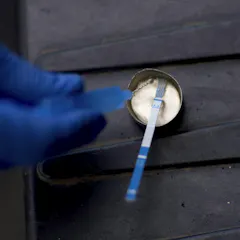
Most consumables in Canada have quality controls that inform purchasing and consumption decisions. People who use illicit drugs deserve the same. Drug checking provides that harm-reduction service.

There’s a lot we don’t know about how Queenslanders will be able to get their pills tested in future. But here’s how other countries do it.

As British Columbia begins a new era in drug policy, the drug poisoning crisis continues without an end in sight.
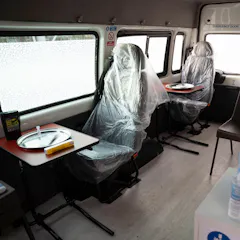
There are around 200 supervised injection facilities around the world but the UK government remains opposed to their introduction
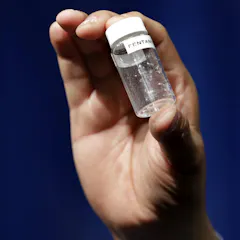
Fentanyl’s wide availability in the drug supply has led to an increase in unintentional overdoses. While prevention strategies are available, limited availability stymies their use.

False narratives about drug addiction and policies that are not supported by research are deepening the overdose epidemic in the US.
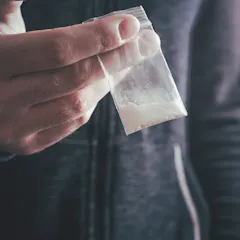
In an effort to reduce costs, drugmakers and dealers often cut, or adulterate, recreational drugs with substances that have been banned by the FDA.
A recent report outlines how the government can reduce the harm caused by the illicit drug trade.
Decriminalisation of illicit drugs is the natural conclusion to decades of research on drug-related harms.
Social media makes it easy to spread ‘fake news’.
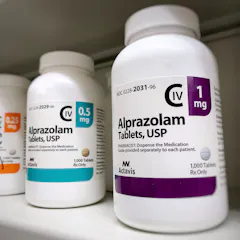
Young people may be at particular risk.

Step aside, Pablo Escobar. New research shows it was poor farmers who helped turn Colombia into the world’s largest drug producer when they started growing and exporting pot in the 1970s.

These online spaces are more regulated than many media reports would have you believe. And the vast majority of dark web traders are steering clear of exploiting the pandemic.
People who use illicit drugs are at increased risk during the coronavirus pandemic. But minimising that risk will improve their well-being and help avoid additional pressure on the health system.
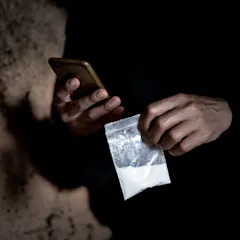
The illicit drug trade is thriving on the dark web because it’s seen as safer and more profitable than street dealing, according to encrypted interviews with people who sell drugs online.
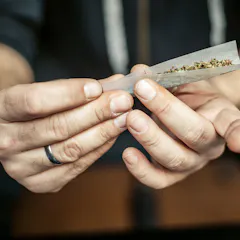
The ACT legislation conflicts with federal laws, which still prohibit the possession of cannabis. It’s unclear how police will respond and whether users could still be charged.
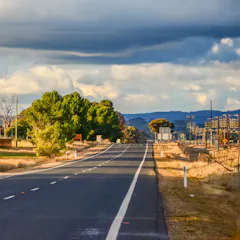
Many rural communities have experienced economic decline in recent years and have poorer access to drug treatment services. This increases the risk of drug use and overdoses.
Top contributors
-

Adjunct Professor at the National Drug Research Institute (Melbourne based), Curtin University
-
Honorary Fellow, Department of Health Sciences, University of York
-
Lecturer, RMIT University
-
Associate Professor, National Drug Research Institute / enAble Institute, Curtin University
-
Associate Professor of Sport Management, University of Technology Sydney
-
Senior Lecturer of Addiction, Edith Cowan University
-
Professor, Deakin Law School, Deakin University
-
Emeritus Professor of Neuropharmacology, University of Lancashire
-
Associate Professor in Criminology, Deakin University
-
Associate Professor in Criminal Justice and Criminology, Bond University
-
Emeritus Consultant, St Vincent's Hospital, Darlinghurst
-
Professor in Substance Use, Liverpool John Moores University
-
Hon. Professor Drug Policy, London School of Hygiene & Tropical Medicine
-
Senior lecturer, Australian National University
-
Professor, Mental Health and Addiction, Rural Health Research Institute, Charles Sturt University