
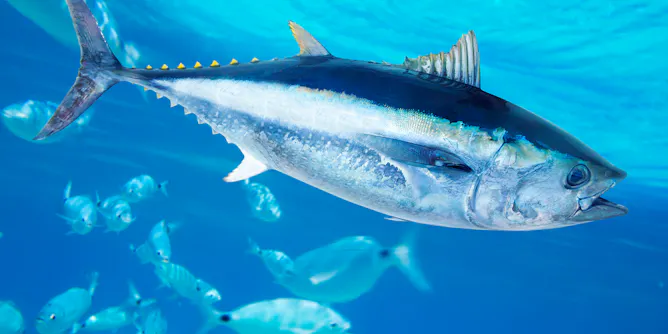
Bones in archaeological sites, ancient rock art, paintings on frescos and vases, written historical records and ethnographic accounts all helped researchers recreate a deep history of people and tuna.
Articles on Human-animal interactions
Displaying all articles
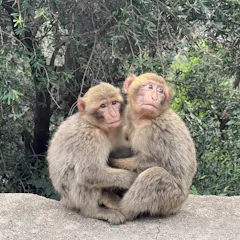
The Barbary macaque is legally protected in Algeria; however, crop losses could increase hostility toward the species if farmers lack practical ways to protect their crops.
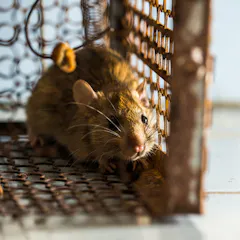
Calling an animal a ‘pest’ can sometimes cause more harm to people than the animal itself.
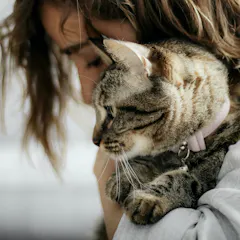
Do you have a secure or anxious attachment with your pet?

A focus on financial compensation for subjects of ‘The Elephant Whisperers’ overshadowed the need to examine storytelling conventions and creative practices in contemporary documentary filmmaking.
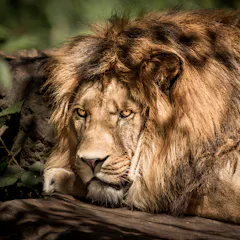
A growing body of research shows that COVID-19 protocols should be extended to areas in which there is a human-animal interface such as zoos, wildlife sanctuaries and game farms.
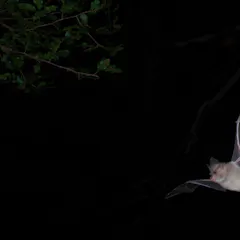
Cave-specific conservation and protection actions are essential to protect cave habitats for the continued survival of bats, and ultimately, the well-being of humans.
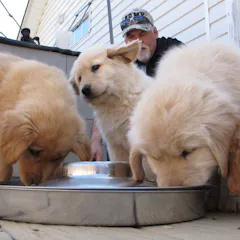
Traditional treatments for PTSD, such as talk therapy and medication, do work for some veterans. But service dogs can make a difference when those methods fall short.
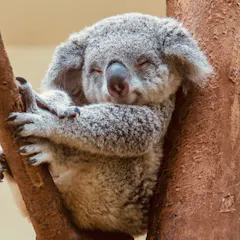
With their prominent foreheads, low eye position and rounded body, koalas can seem almost baby-like. But is that enough to save them?
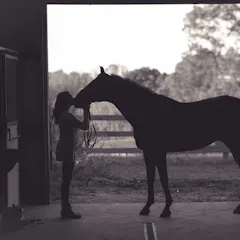
Patting, shoeing, grooming, feeding, and even putting them in a stable - the list of seemingly benign human interactions that can confuse or upset horses is surprisingly long. On the eve of the official Horse’s Birthday, we explain why.

Urban growth and development affects human-animal relationships, as shown by the novel coronavirus that causes COVID-19.
Top contributors
-

Assistant Professor, Purdue University
-
Associate Professor Wildlife Health, University of Pretoria
-
Post-doctoral Fellow, School of Agricultural, Environmental and Veterinary Sciences, Charles Sturt University
-
Postdoctoral fellow, Sociology, University of Amsterdam
-
PhD Candidate, Media Studies, Western University
-
Scientist, German Federal Institute of Risk Assessment
-
Biodiversity Coordinator, Wilderness, University of the Witwatersrand
-
Professor of Urban and Environmental Planning, University of Amsterdam
-
PhD Candidate, Anthropology and Urban Planning, University of Amsterdam
-
Professor, Faculty of Environmental and Urban Change, York University, Canada
-
Associate Dean for Research, Professor of Human-Animal Interaction, University of Arizona
-
Adjunct Professor, Southern Cross University
-
Post-Doctoral Research fellow, University of Pretoria
-
Assistant Professor of Science and Technology Studies, Wesleyan University
-
Head: Zoonotic, Arbo and Respiratory Virus Programme, Professor, Department Medical Virology, University of Pretoria