
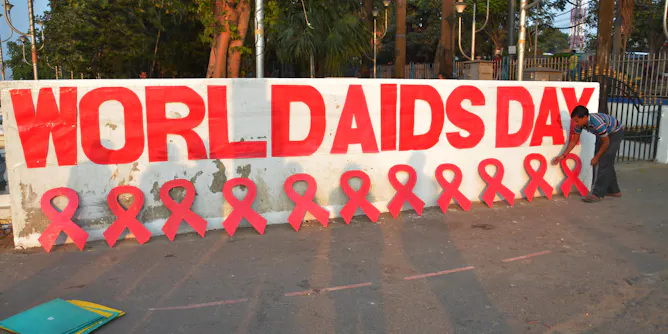
The HIV/AIDS response played out over a much longer trajectory than COVID-19. But it is, in some respects, a shining example of what can be achieved when countries and people work together.
Articles on HIV/AIDS
Displaying 81 - 100 of 338 articles
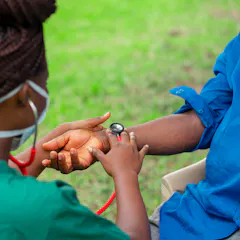
Nurses represent 50% of the global healthcare workforce. And they are often the sole healthcare providers in many low and middle-income countries.
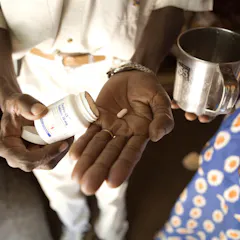
The giant leap in the number of people accessing HIV treatment would not have been possible without task shifting from medical doctors to less-specialised cadres such as nurses and midwives.
As it toured schools, the play Talk to Me, about two friends and HIV, was able to create brave and safe spaces for conversation about a challenging subject.

One of the main challenges remains that diagnostics and drugs for people suffering from advanced HIV aren’t readily available. This group of people is vulnerable to deadly opportunistic infections.
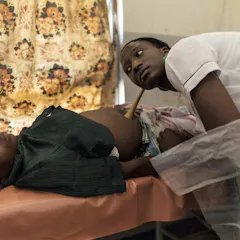
Male involvement in prevention of mother-to-child transmission of HIV is key for the uptake of services and retention in care. When men are involved, HIV exposed or infected children do better.
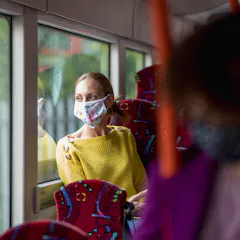
As ready as you are to be done with COVID-19, it’s not going anywhere soon. A historian of disease describes how once a pathogen emerges, it’s usually here to stay.
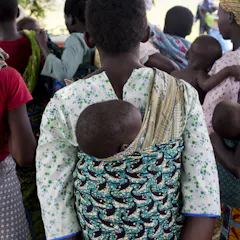
The use of antiretroviral therapy among pregnant and breastfeeding women in Zambia has increased but adherence is a problem.
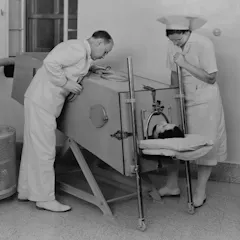
Public trust is key to a successful immunisation programme.
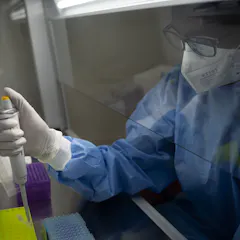
Pooled testing, or group testing, has been used to diagnose relatively rare conditions, such as infection in blood donors. It could be used for universal early infant diagnosis and viral load testing.
Underlying social and structural causes of behaviour - such as poverty and gender disparities - are often ignored. But these are potential drivers of HIV infection among young people.
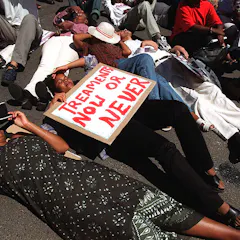
Staging this conference in all time zones with fair distribution of prime-time events was no small feat. But the exchange of ideas, experiences and solutions remained a strong priority.
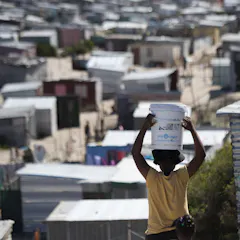
COVID-19 has stretched South Africa’s public health services to capacity. In response, the services have increased their capacity through innovation.
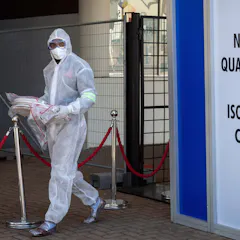
The redirection of resources to COVID-19 has enormous consequences for the provision of healthcare services for other diseases, in particular, HIV programmes.
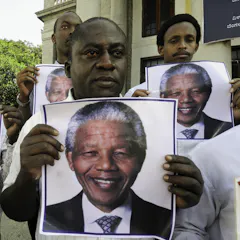
Mandela left at the right time in 1999, when the country still seemed in a healthy state, after which he consolidated his international reputation.
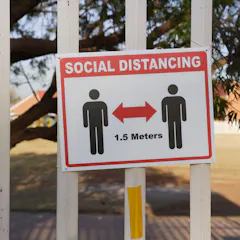
HIV activists in South Africa laid the foundation for relatively widespread citizen trust in science and expertise. Now government must capitalise on this and drive COVID-19 prevention campaigns.
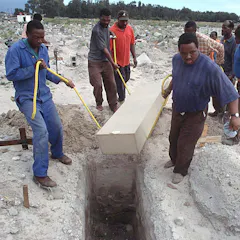
The British press ignored the millions of deaths from HIV/Aids in Africa for far too long.
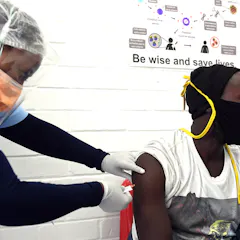
In a pandemic like this one, the priority is to save lives. But without a vaccine, there’s a limit in the tools available to save lives.
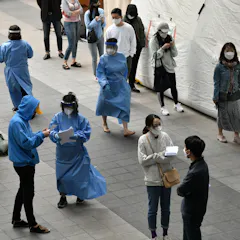
South Korea’s mass surveillance to curb the coronavirus pandemic uses technologies and techniques that are grounded in anti-LGBTQ discrimination.

Local participation and ownership of the response to COVID-19 is the only sustainable option.
Top contributors
-

Professor of medicine and deputy director of the Desmond Tutu HIV Centre at the Institute of Infectious Disease and Molecular Medicine, University of Cape Town
-
Principal Research Fellow, Australian Research Centre in Sex, Health and Society, La Trobe University
-
Distinguished Professor, Infectious Disease and Oncology Research Institute, Faculty of Heath Sciences, University of the Witwatersrand, Executive Director Perinatal HIV Research Unit, Chief Scientific Officer, South African Medical Research Council
-
Associate Professor, Public Health Ethics, School of Population Health, UNSW
-
Melbourne Laureate Professor, University of Melbourne; Director, The Peter Doherty Institute for Infection and Immunity
-
Professor of Epidemiology and Public Health, University of Malawi
-
Research Director at The Health Economics and HIV and AIDS Research Division (HEARD), University of KwaZulu-Natal
-
Assistant Professor of Nursing, University of Michigan
-
Assistant Professor of Public Health, University of Iowa
-
Professor of Anthropology, American University
-
Senior Research Fellow, Monash University
-
Behavioural Scientist, Human Sciences Research Council
-
Professor of Global Health and Director, O'Neill Institute, Georgetown University
-
Professor, School of Health Sciences, University of Northern British Columbia; University of Victoria
-
Associate Professor and Head of the Surveillance and Evaluation Program for Public Health at the Kirby Institute, UNSW