
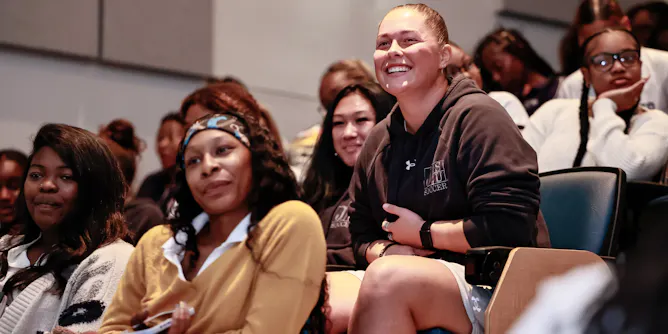
HBCUs make up just 3% of the country’s colleges and universities. But their graduates include 40% of Black engineers and 50% of Black lawyers.
Articles on Historically Black Colleges and Universities
Displaying all articles
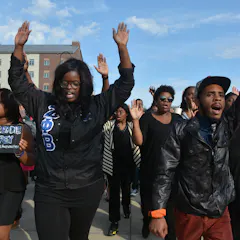
Black student unions date back to the late 1960s, and were formed so Black students could find community, and also make their schools more responsive to their needs.
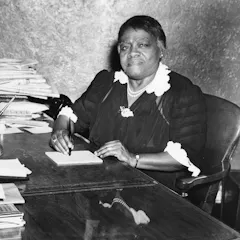
A former archivist at Mary McLeod Bethune’s home in Washington, DC, recounts how the experience led her to see Bethune as a global figure.
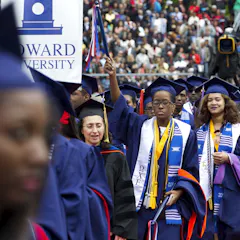
While it’s widely believed that Howard University came to be known as “The Mecca” in the 1960s, new evidence shows the nickname is more than half a century older than that.
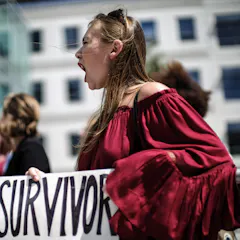
In the 10 years since the Campus Sexual Violence Elimination Act took effect, the measure appears to have had a greater effect on knowledge about sexual assault than on prevention.
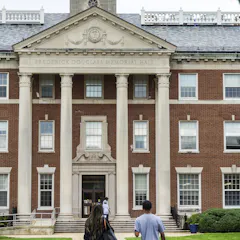
Any HBCU closures brought on by the COVID-19 pandemic could potentially hinder the careers of many Black Americans.
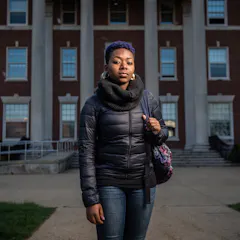
Without government intervention, three experts warn, HBCUs will have a difficult time bouncing back from the effects of the COVID-19 outbreak.
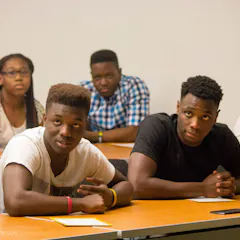
What are the race-related struggles that African-American students experience throughout their school years? Here’s the story of Tyrone.
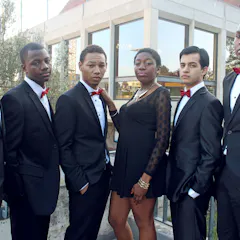
Dillard University, a historically black college, asked students to wear ties and suits on the first day of class. But if history is a guide, this conformity could actually enable radical thought.
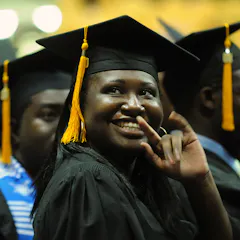
Historically black colleges account for only 3% of all colleges and universities. But, even today, 20% of black Americans earn their degrees at these schools.
Top contributors
-

Professor of Economics, University of New Orleans
-
Associate Professor of Sociology, UMass Amherst
-
Samuel DeWitt Proctor Endowed Chair in Education and Distinguished Professor, Rutgers University
-
Professor of Public Health, Appalachian State University
-
Associate Professor of Sociology, Clemson University
-
Professor of Counseling Psychology, Howard University
-
Lecturer in Journalism, University of Maryland
-
Instructor of Criminology & Justice, Loyola University New Orleans
-
Professor, University of Michigan
-
Associate Professor of Education, University of California, Santa Barbara
-
Assistant Professor of History, Howard University