

New research reveals a link between a diagnosis of cancer and a lifetime number of 10 or more sexual partners. But there are some flaws in the research we need to consider in interpreting the results.
Articles on Hepatitis B
Displaying 21 - 40 of 45 articles

Most of the maize consumed in Kenya is never even tested for aflatoxin.
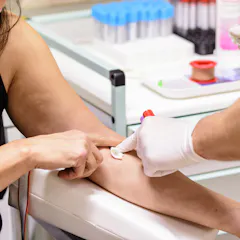
Babies in Australia have been vaccinated against hepatitis B since May 2000, but 240,000 Australians still live with the disease.
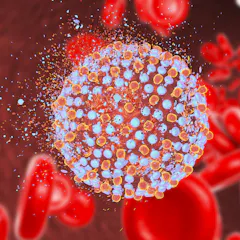
Curing thousands of Australians with hepatitis C is one of the public health success stories of recent years. We can take lessons from this as we continue in the fight against hepatitis B.

Pregnant women often get medical information from social media and websites, many of which contain misleading and false information about vaccination. Could OB-GYNs help educate them better?
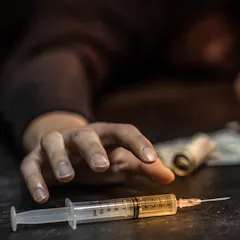
July 28 is World Hepatitis Day, and with an effective cure for hepatitis C there is much to celebrate. But homelessness and the opioid epidemic are driving a surge in hepatitis infections.
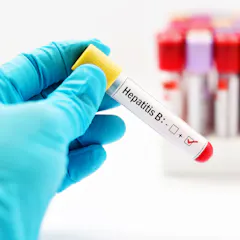
A new analysis shows that the US health care system will save money in the long run by screening people born in Asia and Africa for the hepatitis B virus, which causes liver cancer and cirrhosis.

To prevent the epidemic of liver cancer that looms on the horizon, we need to tackle hepatitis B, hepatitis C and obesity.

To meet World Health Organization targets and reduce the rates of chronic hepatitis B infection among children, Canada should implement routine vaccination of all infants at birth.

NSW has changed its laws imposing criminal penalties on someone with an STI who doesn’t take “reasonable precautions” to not infect their sexual partner.

The kinds of vaccines adults need depend on several factors, including whether you were born here, how old you are and whether you intend to travel overseas.

Hepatitis B rates in Indigenous communities are ten times higher than the rest of Australia. Eliminating the infection from Indigenous Australia can make a significant contribution to closing the gap.
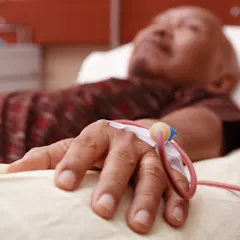
Why is it only some viruses are transmissible by blood, and how does the virus actually move from person to person?
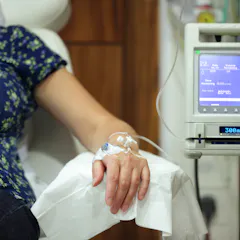
While other cancer rates fall or remain static, liver cancer is on the rise. Here’s why we need to start paying attention.

The annual surveillance report of sexually transmissible infections and blood borne viruses in Australia has found notifications of sexually transmissible infections are on the rise in Australia.

Developing brand new treatments and cures isn’t the only way to achieve a major reduction in cancer deaths worldwide.
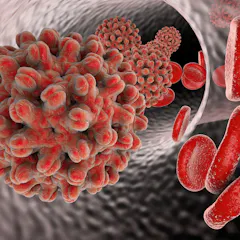
Liver cancer in Africans tends to occur between the ages of 30 and 40. But a study has found that it occurs at a significantly younger age in those who are infected with HIV and hepatitis B.
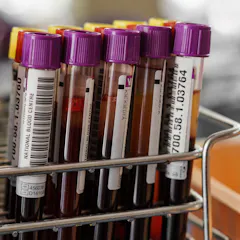
Hepatitis A, B, C, D and E are very different viruses. Hepatitis A is genetically closer to the common cold than it is to hepatitis B. Hepatitis C is closer to the virus that causes dengue fever.

Public health experts enlist the molecular biology tools that create genetically modified organisms – as well as the GMOs themselves – in the fight against emerging infectious diseases.

Worldwide, around 30 million people enter and leave prison each year. Of these people, around 4.5 million have hepatitis C, almost 1 million have HIV and 1.5 million have hepatitis B infections.
Top contributors
-

Director, WHO Collaborating Centre for Viral Hepatitis, The Peter Doherty Institute for Infection and Immunity
-
Research Fellow/Lecturer (Adj) | AI/ML Research | Epidemiology & Population Health, Australian National University
-
Clinical Associate Professor of Infectious Diseases, Stanford University
-
Senior Lecturer, Gastroenterology & Hepatology Unit and Consultant Gastroenterologist & Hepatologist, University of Ibadan
-
Professor of Internal Medicine, University of Michigan
-
Associate Professor
-
Assistant Professor of Pediatrics, University of Colorado Anschutz
-
Research Fellow, Australian Research Centre in Sex, Health and Society, La Trobe University
-
Professor and Director of the Centre for Social Research in Health, UNSW
-
Professor of Global Biosecurity, NHMRC L3 Research Fellow, Head, Biosecurity Program, Kirby Institute, UNSW
-
Affiliate Scientist, Toronto General Hospital Research Institute (TGHRI) and Emeritus Professor, University of Toronto
-
Associate Professor and Head of the Surveillance and Evaluation Program for Public Health at the Kirby Institute, UNSW
-
Senior Researcher and Pathologist in the Division of Medical Virology, Stellenbosch University
-
Senior Lecturer, UNSW
-
Ph.D. Candidate in Chemical Biology, Harvard University