
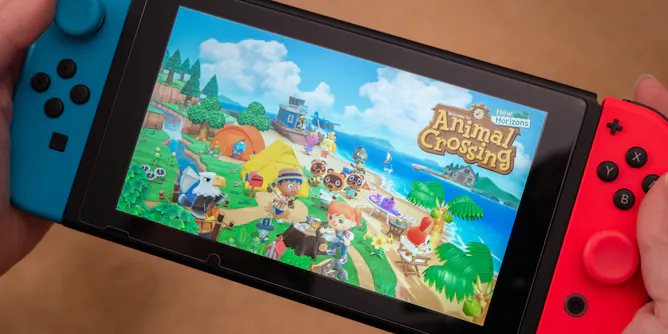
We live in the time of the ‘quantified self’. This means we’re constantly under pressure to use technology to ‘optimise’ ourselves, and may be why many people view gaming as a ‘waste of time’.
Articles on Gaming
Displaying 141 - 160 of 230 articles

Video games are becoming just as popular as professional sports, so why do people think it’s only a game?

New research finds that the different ways boys and girls use digital technology might explain the discrepancy.

Virtual Reality is failing to live up to the hype - but why? One problem is a lack of imagination. In a world of limitless possibilities, there’s no need to test-drive a virtual family sedan.

Somewhere between the early Buddhist times and today, worries about game addiction have given way to scientific understanding of the benefits of play, rather than its detriments.
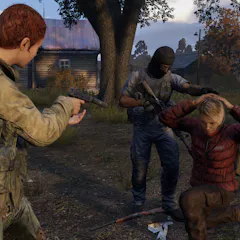
The Australian Classification Board has “refused classification” for at least four videogames in recent months. Such bans show the introduction of an R18+ classification was not a win for players.
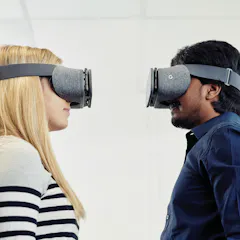
In VR you can explore the world from a different point of view. And studies have shown that experiencing new perspectives in the virtual world can alter your behaviour in real life.
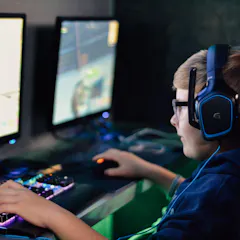
The World Health Organisation has classified gaming disorder as an addiction. But it involves more than just playing videogames for hours on end. Here’s how to spot it and what you can do about it.
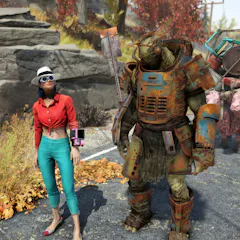
Video games were once thought to offer an escape from everyday life – but they often hold a mirror to what we do in reality.
Play video games and learn a language – a researcher explains why it might be possible.

To help establish South Africa’s gaming industry as a viable career path for more diverse participants, more support for the technical training required has to be considered.

Your virtual self reflects your real-life skills and values. Understanding them could help you find a more suitable job.
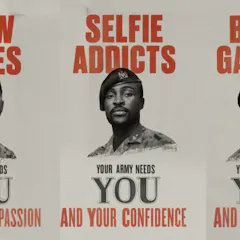
When the army inserted a recruitment supplement in a gaming magazine was it reaching the right people?

New activist communities are fighting back against haters to make the world safer for LGBTQ teens.

Young people are spending more and more time in digital environments – isn’t it time that support was embedded?

Fortnite was the most outstanding and unexpected success of 2018, hitting 78.3 million players in August, and bumping developer Epic Games to a US$15 billion dollar valuation.

Games have come a long way since their genesis in the 1970s. Today, games designers consult with ecologists and other experts to create worlds that feel alive and real.

A video uploaded to YouTube last month depicted an avatar in a video game physically assaulting a female character until she was unconscious. Should that be allowed in today’s gaming culture?

The International Olympic Committee recently hosted a meeting on e-sports – organized video competitions. Should e-sports be in the Olympic Games? An Olympian says no.
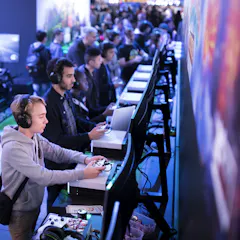
Just because people enjoy a recreational activity doesn’t mean they’re addicted to it, even if they spend lots of time doing it.
Top contributors
-

Professor in Human-Computer Interaction, ARC Future Fellow, University of Sydney
-
Senior Lecturer in Digital Cultures, Australian Research Council DECRA Fellow, University of Sydney
-
Senior Lecturer, School of Film, Media, and Creative Technologies, University of Portsmouth
-
Associate Professor, Film, Screen and Creative Media, and Associate Dean Engagement, Bond University
-
Distinguished Emeritus Professor of Behavioural Addiction, Nottingham Trent University
-
Associate Professor in Politics and International Studies, University of Leeds
-
Postdoctoral research fellow, RMIT University
-
PhD candidate researching children's play in digital games, The University of Melbourne
-
Researcher, Digital Wellbeing, Western Sydney University
-
PhD Candidate in Recreation and Leisure Studies, University of Waterloo
-
Assistant Professor of Media Studies/Game Studies, University of Oregon
-
PhD Candidate, Sydney Games and Play Lab, University of Sydney
-
Chair in Science Communication & Future Media, University of Salford
-
Senior Lecturer in Game Design, University of Portsmouth
-
Barrett Hazeltine Professor of the Practice of Engineering, Brown University