

Human health depends on having a liveable planet and this is inextricably linked to food systems.
Articles on Food production
Displaying 21 - 40 of 104 articles

New Zealand cities grow mostly through building houses on undeveloped land. But this removes fertile soil and undermines the food production and other ecological functions city dwellers depend on.
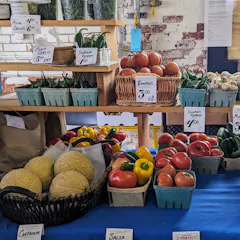
Many people are experiencing the sticker shock of higher prices at grocery stores. But the amount we pay for food often does not reflect the real social, environmental and human costs of production.
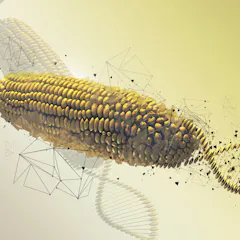
Genetically modified crops are increasing yield and food security in developed countries, but in Africa, a lack of adoption is limiting success.
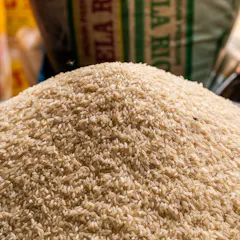
Nigeria can produce more rice to feed its burgeoning population by harnessing its wastewater.

If greenhouse gas emissions continue at a high rate, breadbaskets of Europe and North America will see a 50% chance of a flash drought each year by the end of this century.
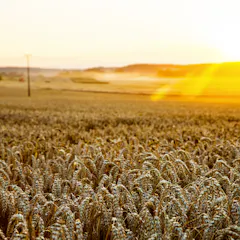
A third of South Africa’s farming income depends on irrigation. Disruptions in power supply put huge chunks of the country’s agricultural fortunes at risk.

Lab-grown meat seems green, ethical and quirky – but at industrial scale, it’s likely to cause unforeseen problems.

Octopuses are enigmatic beings whose experiences of industrial farming are likely to be profound.
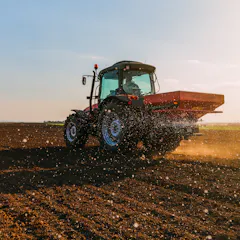
This crucial fertiliser component is mostly found in just five countries.
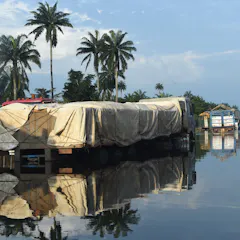
Despite the impact of flooding on food security, it is not recognised as a threat by policymakers.

Growing fresh produce on the outskirts of a city reduces food miles and increases food security. But the foodbowls next to our our big cities are fast losing their land to urban growth.
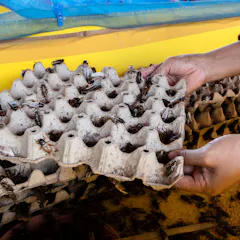
Eating insects can carry a much lower environmental footprint than conventional meat. Should western cultures be incorporating more of them into their diets?
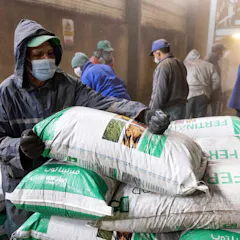
How well Morocco manages challenges to its fertiliser industry will affect its own development and the stability of food supplies across the world.

The global food system lacks resilience because it is too focused on keeping down costs.
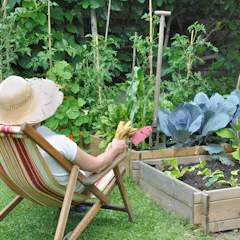
Really, how productive is the average home vegetable garden – and will it leave you hungry? It largely depends on space, soil and gardening skills.

Industry seeks to capitalize on regenerative agriculture, but standards that focus only on carbon or other select environmental metrics will undermine its transformative potential
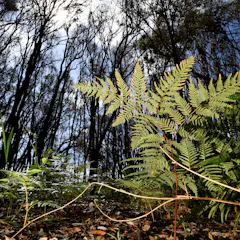
We asked six experts to nominate books that might help us avert environmental catastrophe. Here’s what they said.
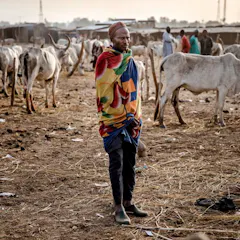
Under certain conditions, climate can amplify security risks, with implications for lasting peace.
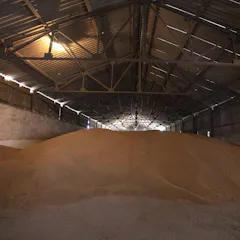
Environmental catastrophe, war, a worldwide pandemic. What does this mean for feeding the world today and in the future?
Top contributors
-

Director of the Arrell Food Institute and Professor in the Dept. of Geography, Environment and Geomatics, University of Guelph
-
Research Director, Institute for Sustainable Futures, University of Technology Sydney
-
Senior Analyst, University of Pretoria
-
Director, Food and Agriculture Institute, University of The Fraser Valley
-
Emeritus Fellow in Plant Biochemistry, University of Westminster
-
Executive Director, Swette Center for Sustainable Food Systems, Arizona State University
-
Chief Research Scientist, Food Systems and the Environment, CSIRO
-
PhD Candidate, School of Social Sciences, University of Tasmania, and Senior Research Consultant, Institute for Sustainable Futures, University of Technology Sydney
-
Associate Professor in Food Systems, The University of Melbourne
-
Senior Researcher on Environment and Health, University of Oxford
-
Research Fellow, Tegemeo Institute, Egerton University
-
Director, Agri-Food Analytics Lab, Professor in Food Distribution and Policy, Dalhousie University
-
Associate Professor, Institute for Sustainable Futures, University of Technology Sydney
-
Professor of Food Policy, City St George's, University of London
-
Professor of Agricultural Development, The University of Queensland