
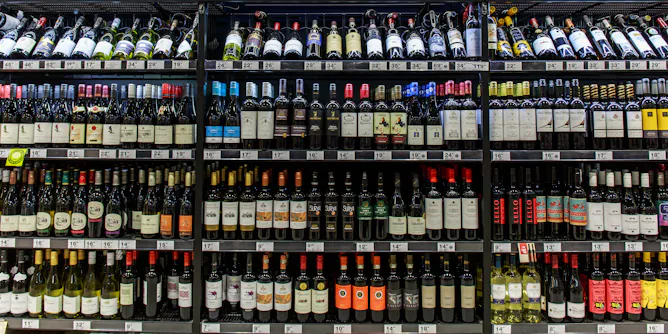
The Northern Territory has had alcohol restrictions since 2012. These restrictions are going to be lifted in July of this year, despite concerns expressed by First Nations people in the community.
Articles on First Nations people
Displaying 121 - 140 of 167 articles
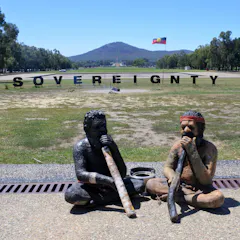
Survey findings bring insight to the general public’s thoughts and concerns of an Indigenous Voice to parliament. What questions still need to be answered to obtain a yes vote in a referendum?
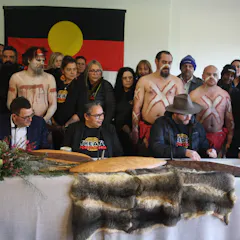
In partnership with the First Peoples’ Assembly of Victoria, the Victorian government has committed to advancing state treaty processes. This is through a new bill establishing a Treaty Authority.
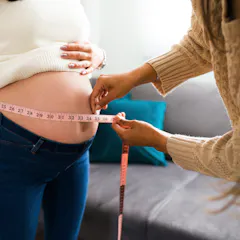
First Nations women and their newborns are considered high risk due to fatality rates and access to care. Research shows First Nations-led culturally safe healthcare could prevent further deaths.
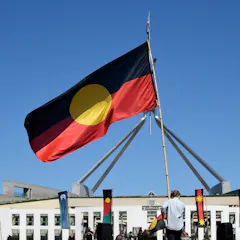
An Indigenous Voice to parliament and government does not require a constitutional enshrinement or referendum to be enacted immediately. So why is the Australian government asking for a referendum?

The launch of the National Centre for Reconciliation Practice brings the question; what are reconciliation action plans, and do they work?
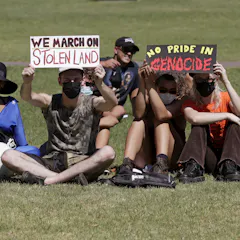
Learning about First Nations people and their histories can make some feel awkward or uncomfortable at times. However, being willing to embrace that discomfort is vital to learning.
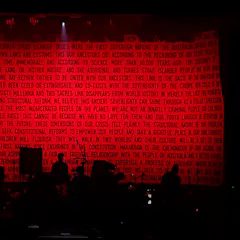
Prime Minister Anthony Albanese announced Labor’s commitment to the Uluru Statement from the Heart. This means there may soon be a First Nations Voice to Parliament. However there is a journey ahead.
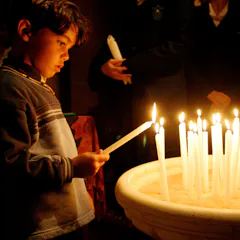
Today is National Sorry Day. This is when we commemorate Aboriginal and Torres Strait Islander people who were forcibly removed from their families.
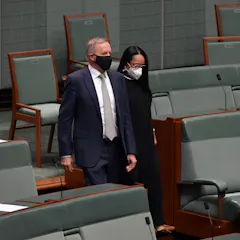
Prime Minister Albanese’s victory speech commitment to the Uluru Statement brings new possibilities for First Nations peoples’ Voice to Parliament.
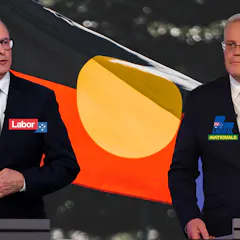
One of the recommendations from the 2017 Uluru Statement from the Heart calls for the establishment of a First Nations Voice to parliament, enshrined in the Constitution. This would ensure First Nations…
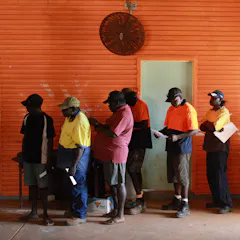
Our new analysis shows Indigenous voters could play a decisive role in 15 marginal seats – including key battlegrounds in urban and regional Queensland, as well as NSW, WA and Tasmania.
The Uluru Statement from the Heart could close the gap in health outcomes for Aboriginal and Torres Strait Islander peoples.
We need both major parties to promise to enact it.
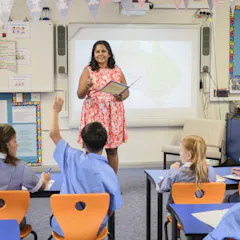
The languages and the methods of classroom assessments need to be expanded. Such changes will make assessment more inclusive and fairer for all, particularly First Nations students.
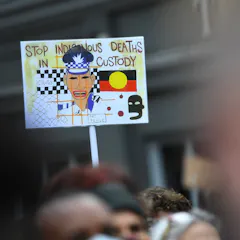
Victorian prisons provide limited access to adequate health care, particularly for Aboriginal and Torres Strait Islander people. Coronial inquests into deaths in custody show something must be done.

Warlpiri Elder Wanta Jampijinpa Pawu interprets the Southern Cross, not as a contested symbol of identity, but as a summons to unite First Nations and non-Indigenous people.
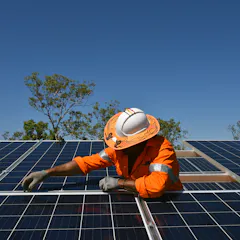
Five ‘renewable energy zones’ planned for NSW represent a major opportunity for Aboriginal people.

Comments sections have become an echo-chamber for misinformed and malicious racist rhetoric. How can this misinformation be eradicated?

The rate of voter participation in federal elections by people living in remote Indigenous communities have been in decline. Past policies have put obstacles in place, and these need to be addressed.
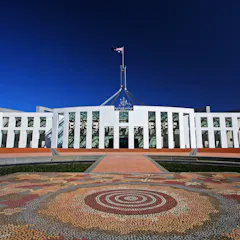
The result of the federal election will be key for a voice to parliament protected by the Constitution as called for by the Uluru Statement from the Heart, and for Indigenous affairs more broadly.
Top contributors
-

Professor, Critical Indigenous Studies and Director of The Centre for Global Indigenous Futures, Macquarie University
-
Chief Investigator for the Australian Research Council Centre of Excellence for the Elimination of Violence against Women (CEVAW), School of Philosophical, Historical & International Studies, School of Social Sciences (SOSS), Monash University
-
Research Fellow in Disaster Resilience, Monash University
-
Principal Research Fellow, James Cook University
-
PhD Candidate, University of Technology Sydney
-
Professorial Fellow, University of Canberra
-
Professor, Australian and Aboriginal History, Faculty of Arts, Design and Architecture, Convenor: Indigenous Land & Justice Research Group, UNSW
-
Managing Director, Her Story Consulting & Postdoctoral fellow, Australian National University
-
Lecturer, Department of Indigenous Studies, Macquarie University
-
ARC DECRA Fellow, Australian National University
-
Senior research fellow, University of Technology Sydney
-
Senior Lecturer of Indigenous Studies, Indigenous Education and Research Centre, James Cook University
-
Lecturer, Griffith Law School, Griffith University
-
Senior Lecturer in Law at the University of Queensland, The University of Queensland
-
Research Fellow (Indigenous Diplomacy), Australian National University