

Under the warmth and good humour is a formidable, steely grit.
Articles on Feminism in Africa
Displaying 1 - 20 of 30 articles
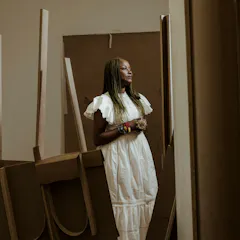
Chosen to direct the world’s most important art show next year, she leaves a legacy of building institutions, uplifting artists and educating through art.
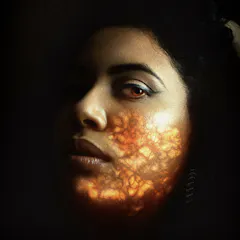
Women only really emerged in Tunisia’s male-dominated rap scene with the revolution in 2011. And they’re rapping about much more than just patriarchy.
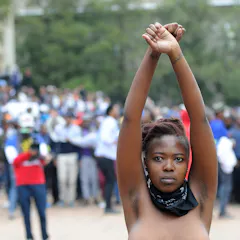
Interviews with women who have staged naked protests reveal this is not just a shock tactic, but a powerful way of claiming their voices and their dignity.
The award-winning South African playwright has written a masterful short story about a woman having to play a challenging theatre role.
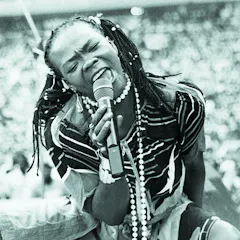
Released in 1997, Vulindlela reflects the optimism of a democratic South Africa – but Fassie’s ‘bad girl’ image also asks who is really welcome in this new society.
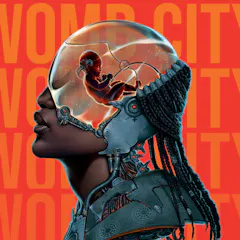
Tlotlo Tsamaase’s first novel adds to an exciting and growing body of African science fiction.
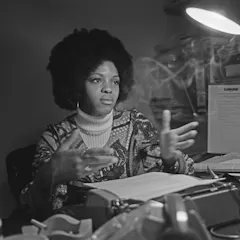
Her book Daughters of Africa brought black women writers into the literary canon.
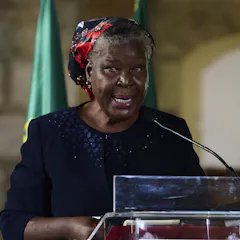
The Camões Prize is the most important award for Portuguese literature, and Paulina Chiziane is the first African woman to receive it.
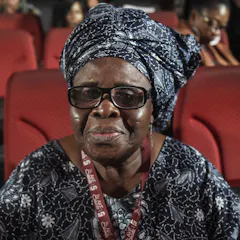
A commanding presence on the global literary stage, Ama Ata Aidoo was a powerful feminist voice with a prolific output.

She paved the way for women to play the mbira – and then took the ancient tradition global.
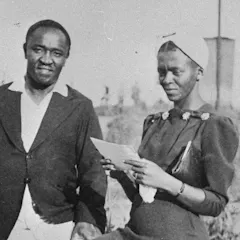
A powerful new book restores the writer and feminist politician to her rightful place in history.
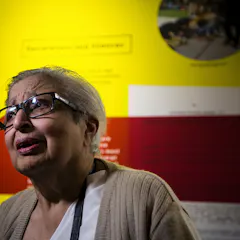
A younger generation of feminists will remember her, above all, for her remarkable championing of the struggle against patriarchy.
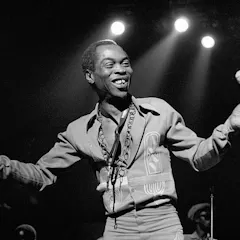
Nigeria’s Afrobeats stars love to identify with Fela’s activism and music - but their tributes are becoming opportunistic and empty.
Activists and scholars must rethink their neglect of male victims if South Africa is to better understand and resist sexual violence.

Undocumented for decades, black South African feminists are increasingly visible. The essays in Surfacing present 22 leading thinkers.

Her 1975 novel demonstrated a far more radical feminism than was common in Africa and the Arab world – a precursor of the #MenAreTrash anger of today.
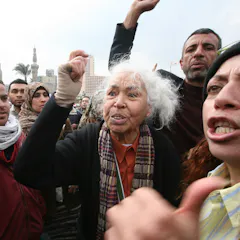
She believed that writing is an act of speaking the truth, an act of courage, that must serve the people and not those in power.
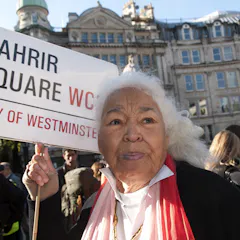
To understand her contribution to public debate, it’s important to see her in the context of the historical moment that made her work possible, necessary and provocative.
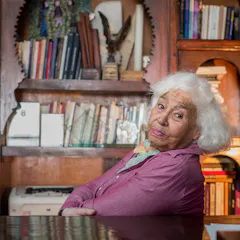
A firebrand activist for women’s rights, her novels espoused truths that made her hugely unpopular with the government.
Top contributors
-

Research Assistant: Sexual and Reproductive Health rights, University of the Witwatersrand
-
Lecturer, Academic development/feminism, Rhodes University
-
Postdoctoral fellow, SARChi Chair in Gender politics, Stellenbosch University
-
Lecturer, Department of Political Sciences, University of South Africa
-
Professor of Political Science and Chair of the South African Research Initiative in Gender Politics, Stellenbosch University
-
Visiting Scholar, School of Human and Community Development, University of the Witwatersrand
-
Clinical Psychologist, University of the Witwatersrand
-
Assistant Professor in International Social and Public Policy, London School of Economics and Political Science
-
Post-Doctoral Fellow, University of South Africa
-
Assistant Professor of Gender, Rights and Human Rights, London School of Economics and Political Science
-
Canada150 Research Chair in Gender and African Politics and Visiting Professor, WiSER Wits University, Carleton University
-
Associate Professor of History, Director of the Center for African Studies, Stanford University
-
Associate Professor of Women's, Gender and Sexuality Studies and African Studies, Penn State
-
Professor, University of Zululand
-
Researcher, Unit for Religion and Development Research, Faculty of Theology, Stellenbosch University