
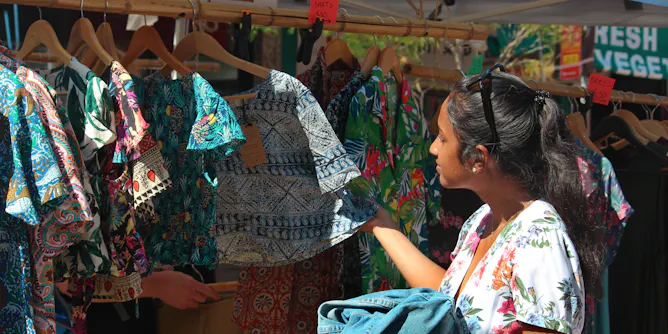
Australia has the world’s biggest carbon footprint from fashion. This is one area where changing our personal clothing choices can make a big difference, just as it did in the second world war.
Articles on Fashion
Displaying 161 - 180 of 506 articles
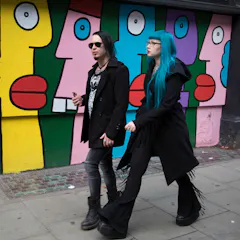
Goth has always been about mixing things up and adapting what you find to fit your own aesthetic.

It’s not just the Barbie effect, Birkenstock’s brand equity has been rising for years.
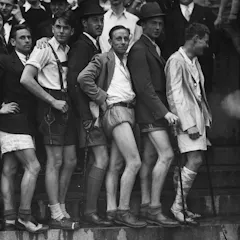
As fashion norms change, what people wear in public becomes ground zero for hashing out new ideas of race, class and gender.
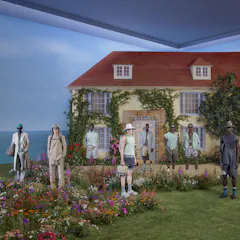
The Bloomsbury group’s distaste for formality helped to set the foundations for how we dress today.
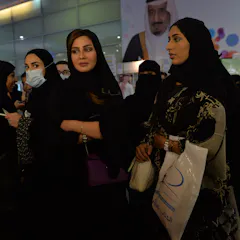
In some conservative countries, the abaya is part of expected dress. But in countries where Muslims are in the minority, the abaya can be a way for women to connect with their religious identity.

The Missing Thread is a careful and honest curation of black identity and displacement.
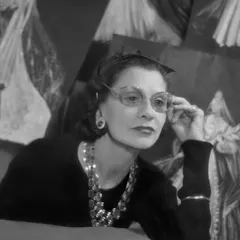
From her early designs that brought flowing silouhettes into fashion to her iconic evening wear, this is a must-see exhibition for any fan of fashion.
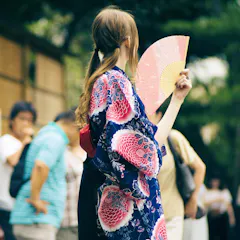
A new draft law on public security includes a clause criminalising the wearing of clothes that might be ‘hurtful to the spirit and sentiments of the nation’.
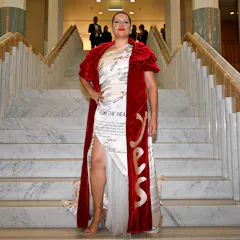
It would have amazed campaigners from 1967 to see people today wearing outfits that overtly describe the movement.

International career mobility can give people valuable knowledge and expertise to be used in their home country.
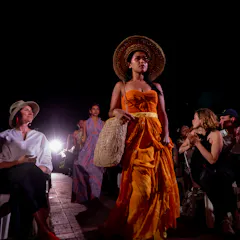
People in the First Nations fashion industry see their work contributing to cultural tradition, economics and cultural sustainability, and blak pride and storytelling.
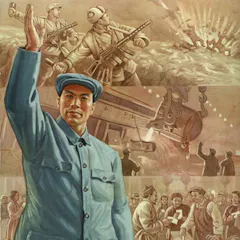
The Mao suit has a fascinating history. Vast quantities of this ‘people’s uniform’ were made for soldiers during the Korean war – which ended 70 years ago today – including Australian POWS.
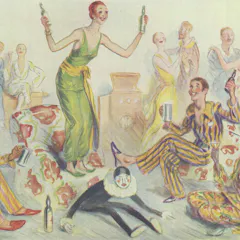
After the first world war, gender-bending fashions became front page news.

America’s veneration of gun ownership is seconded only by its commitment to rendering armed Blacks as an existential danger to the civility and structure of America.
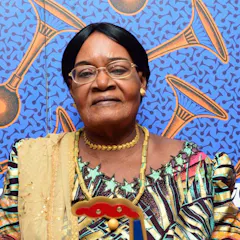
Maman Creppy was one of Togo’s original Nana Benzes who had created a powerful wax cloth empire.
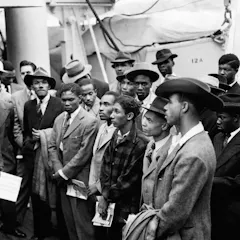
The clothing choices of the Windrush arrivals signified respect both for themselves and the life-changing journey they had undertaken.
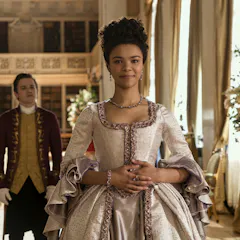
Whalebone is the colloquial English term for a material known as baleen. Baleen is not bone.
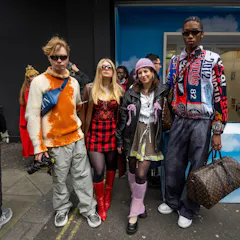
Mismatched, ill-fitting and ‘ugly’ clothes are in so let go of the anxiety of dressing ‘well’ and dress however you want.
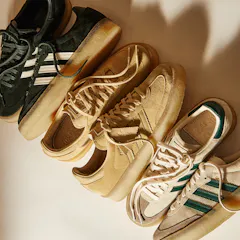
In a saturated market, fatigued by gratuitous partnerships such as Nike x Tiffany & Co., this collaboration has been praised for its timeless authenticity.
Top contributors
-

Associate Professor in Fashion and Material Culture, Nottingham Trent University
-
Teaching Fellow, University of Sydney
-
Distinguished Professor of Design History, UTS, University of Technology Sydney
-
Chancellor’s Indigenous Research Fellow, Faculty of Design and Society, University of Technology Sydney
-
Oak Foundation Lecturer in History of Dress and Textiles, Courtauld Institute of Art
-
Lecturer, Cultural Heritage and Museum Studies, Deakin University
-
Senior Lecturer, School of Fashion and Textiles, RMIT University
-
Senior Lecturer in Fashion Enterprise, Torrens University Australia
-
Professor and Dean of the School of Fashion and Textiles, RMIT, RMIT University
-
Lecturer, Fashion Design, School of Design and Architecture, Swinburne University of Technology
-
Course Leader, BA (Hons) Fashion Journalism, London College of Fashion, University of the Arts London
-
Associate Professor of History, University of Nevada, Las Vegas
-
Kluge Fellow at the Library of Congress
-
Honorary Research Fellow, School of Design, University of Technology Sydney
-
Visiting Scholar: School of Architecture and School of Engineering, University of Technology Sydney