
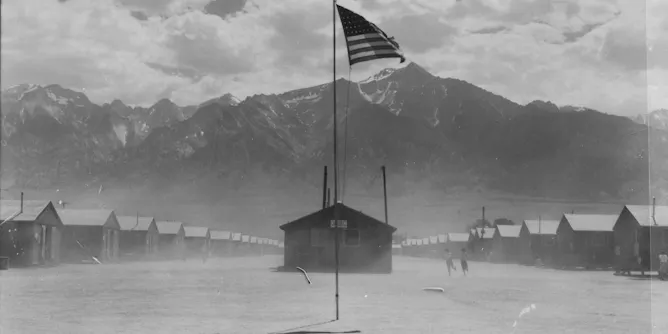
When US President Franklin D. Roosevelt signed Executive Order 9066, he caved to war hysteria and paved the way for the incarceration of Japanese Americans.
Articles on Environmental justice
Displaying 41 - 60 of 122 articles
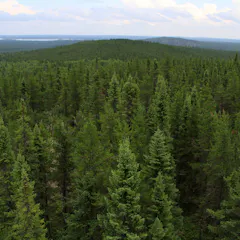
The Ring of Fire Regional Assessment is Canada’s first opportunity to apply new legislative tools to co-operating with Indigenous jurisdictions. But the government is messing up.

An environmental health scholar shares four resolutions to improve your relationship with the environment – and its prospects for the future.
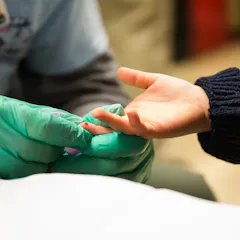
The Centers for Disease Control has announced a new, stricter standard for lead poisoning in children, which will more than double the number of kids considered to have high blood lead levels.
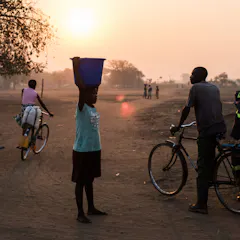
Climate justice is about both where emissions come from and who suffers the consequences.

In this episode, two Indigenous scientists running collaborative labs to address our climate crisis offer some ideas for environmental justice, including a redefinition of pollution.
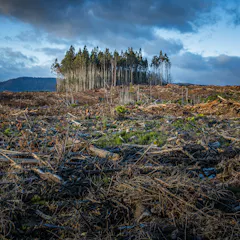
Colonialism is manifested by the way pollution impacts the lives of Indigenous peoples in Canada. Two Indigenous environmental scientists discuss how they’ve overcome obstacles in their research.
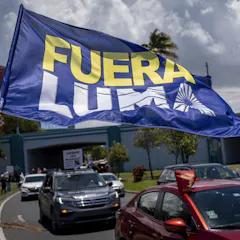
Four years after Hurricane Maria wreaked havoc on Puerto Rico, federal money to rebuild its electricity system is finally about to flow. But it may not deliver what islanders want.
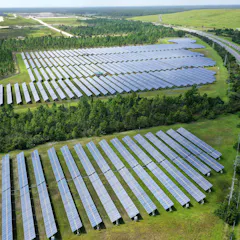
President Biden’s proposed solar power expansion would cost $350 billion in federal support over the coming decade. An energy expert explains where that money would come from and who it would help.
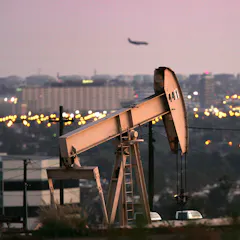
Photos from the early 1900s show LA’s forests of oil derricks. Hundreds of wells are still pumping, and new research finds people living nearby are struggling with breathing problems.

Electric cars offer benefits for low-income and minority drivers, including cleaner air and lower maintenance costs. But it will take more than rebates on new models to make EVs accessible for all.

President Biden has proposed spending $45 billion to replace every lead water pipe and service line in the nation. A public health expert explains why he sees this as a worthwhile investment.
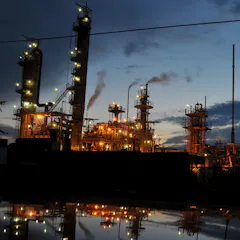
Addressing environmental racism in Canada is not only a matter of justice, but also of meeting Canada’s human rights obligations
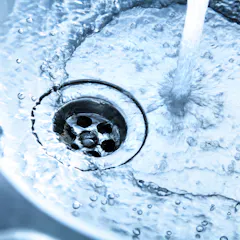
New research finds that tap water avoidance is on the rise in the US, especially among minorities. An expert on water and health calls for better public education about water quality and testing.

A web of local environmental action campaigns launched against oilsands pipelines a decade ago helped bring an end to Keystone XL.
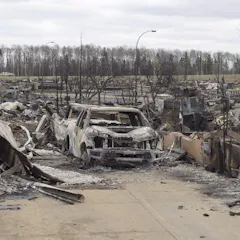
Governments must expand the number of people who see themselves as “winners” in the transition to a low-carbon society.
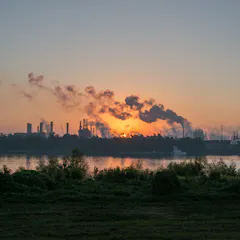
The US environmental justice movement dates back to the early 1980s, but federal support for it has been weak and inconsistent. Here are four things Biden’s EPA can do to improve that record.

The provision of recreational activities and access to public space have always been underpinned by moral and class values. Planning the post-pandemic reopening should address these inequities.
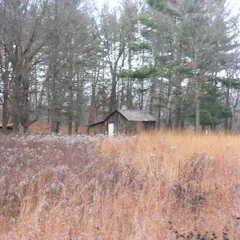
Jan. 11 marks the birthday of conservationist Aldo Leopold (1887-1948), who called for thinking about land as a living community to protect, not a resource to exploit.
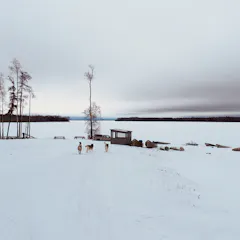
Infrastructure for the mining industry has been prioritized over community-infrastructure for essential human needs.
Top contributors
-

Lynton K. Caldwell Professor of Public Affairs, Indiana University
-
Associate Professor of Sociology; Co-Founder, Center for Environmental Justice at CSU, Colorado State University
-
Associate Professor of Environmental and Occupational Health Sciences, University of Washington
-
Professor of Geography and Environmental Science, Memorial University
-
Adjunct Lecturer in Urban Studies, The New School
-
Professor of Environmental Science, Policy and Management and of Public Health, University of California, Berkeley
-
Assistant Professor of Economics, University of Virginia
-
Professor, Technoscience studies + History, University of Toronto
-
Assistant Professor of Environmental Health Sciences, Fielding School of Public Health, University of California, Los Angeles
-
Associate Professor of Environmental and Occupation Health, University of California, Irvine; University of Southern California
-
Associate Professor, Honorary Principal Fellow, Informal Urbanism Research Hub (InfUr-), University of Melbourne, The University of Melbourne
-
Assistant Professor of Applied Environmental Health , University of Maryland
-
York Research Chair in Environmental Law & Justice in the Green Economy, York University, Canada
-
Assistant Professor of Environmental Policy and Sustainability Management, The New School
-
Professor of Environment and Sustainability, University of Michigan