
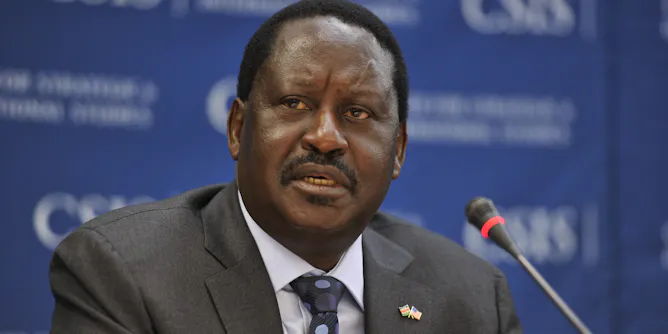
Odinga escaped all attempts by his detractors to reduce him to an ethnic leader.
Articles on Elite pact
Displaying all articles
Dialogue with Mozambique’s opposition leader Venâncio Mondlane is necessary. However, it must not be another ‘elite bargain’ that does not benefit the common people.
The Sudanese crisis is the culmination of three decades of contentious energy politics among rival elites.
That there is no clear favourite to win shows the campaigning has been relatively free and competitive.
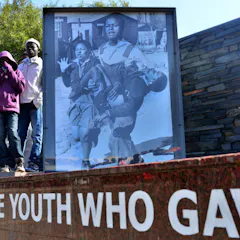
The students who marched on 16 June 1976 did more than simply register a political opinion.
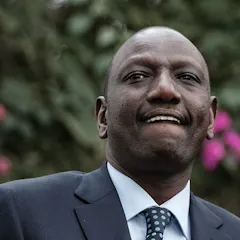
As an outlier in Kenya’s political power matrix, Ruto was elbowed out by the establishment. But he has somersaulted back by appealing directly to the masses.

Elites have strong incentives to foment violence. The way they speak about election issues in the media can inflame tensions.

Leaders typically spread power among their ‘rival allies’ to keep it and co-opt enough of those elites in exchange for political support.
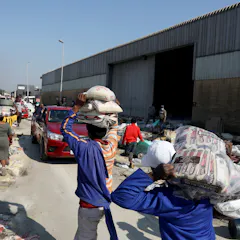
The democratic transition in 1994 was the result of an ‘elite pact’ that changed the country’s politics, but did little to undermine the foundations of white economic power.
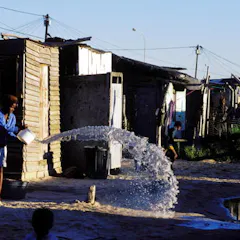
The new governing elite mistakenly believes that the goal of a democratic South Africa is simply to extend to everyone what whites enjoyed under apartheid.
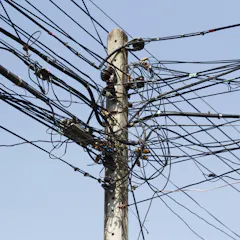
When policymakers reduce electricity scarcity to a few factors like theft and vandalism, to be solved with technology and stiff penalties, they miss other factors that contribute to electricity theft.
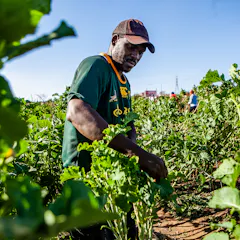
The new initiative reproduces the core weaknesses of post-apartheid state land and agricultural policy. These have done little to improve the livelihoods of the poor.
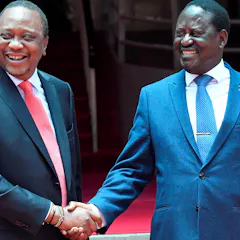
The Building Bridges Initiative is best understood by recognising that Kenyan politics is fundamentally shaped by competition between political elites and their ethnic groups.
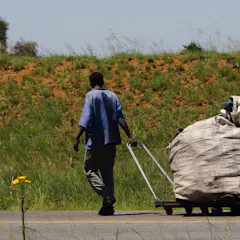
South Africa’s jobs summit failed to acknowledge fundamental issues in the approach to development and job creation.
Top contributors
-

International Relations Scholar, University of the Witwatersrand
-
Research Professor, Institute for Development Studies (IDS), University of Nairobi
-
Associate Professor, Université Saint-Paul / Saint Paul University
-
Associate Professor, Political Science, College of the Holy Cross
-
Professor of Political Geography, School of Global Studies, University of Sussex
-
Professor, Faculty of Business and Management Sciences, University of Nairobi
-
Senior Research Associate, University of Johannesburg
-
Professor of Sociology, University of the Witwatersrand
-
Senior Research Fellow New South Institute, Emeritus Professor at The Nelson Mandela School of Public Governance, University of Cape Town
-
Senior Lecturer, HOD-Mass Communication, Kabarak University
-
Senior Research Scholar at the Center on Global Energy Policy, Columbia University
-
Emeritus Professor, Poverty, Land and Agrarian Studies, University of the Western Cape
-
Professor of Political Studies, University of Johannesburg
-
Postdoctoral research fellow, University of Sussex
-
Assistant Professor of International Relations, Leiden University