
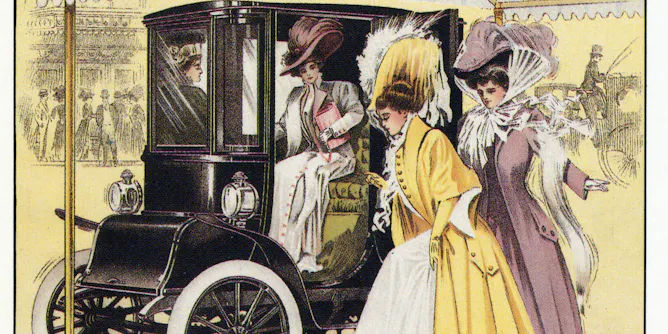
An innovation expert looked at decades of car adverts to find out.
Articles on Electric cars
Displaying 21 - 40 of 196 articles

Lubumbashi is little known, but its minerals electrified the world, created atom bombs and are key to greener energy, the defining geopolitical issue of our time.
When lower-income households face affordability barriers, it’s not just their problem – it’s the missing link to achieving a full switch to electric vehicles.
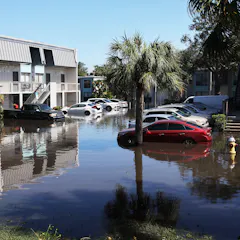
If you live in a flood-prone area, especially near the ocean, it’s important to know the risks if your EV is flooded. Or your golf cart, e-bike or other device with lithium-ion batteries.
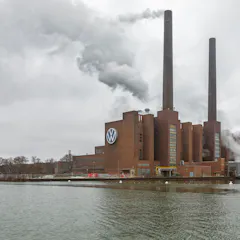
A symbol of German industrial power, Volkswagen is facing major financial difficulties. How did the emblem of “deutsche Qualität” get to this point? And can it pull through?
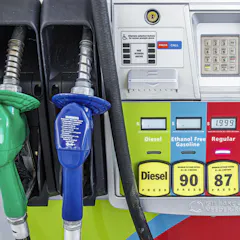
Both gasoline and diesel fuel are refined from crude oil, but they are good for different things and can’t be used interchangeably.
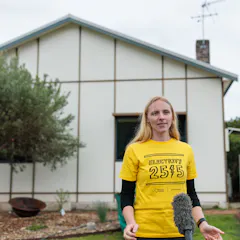
Getting off gas at home is healthier, cheaper and better for the planet. Now the Electrify 2515 community pilot project promises to demonstrate household electrification at scale.
Modern cars made in most countries have remote control and online data features. What matters is who can access that data – and the vehicle itself.

Overcapacity in China’s manufacturing industry is a concern for both the European Union and the United States, especially as China is no longer satisfied with exporting only low-end products.

Vice President Kamala Harris has strongly supported clean energy investments, while Donald Trump has railed against them. But transformative shifts in the energy landscape already are well underway.

Europeans who experienced more relaxed Covid-19 policies tended to travel less and adopt more sustainable habits, while those suffering from strict lockdowns were keen to get away.
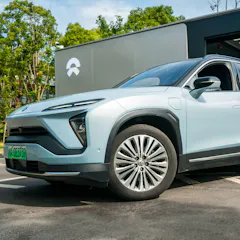
Many would say that swappable batteries have had their day for EVs. But it’s time to face the fact that the charging model isn’t working either.
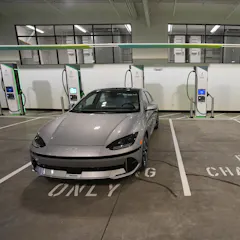
The new rule isn’t a mandate for electric vehicles, but it will sharply increase their market share over the coming decade.
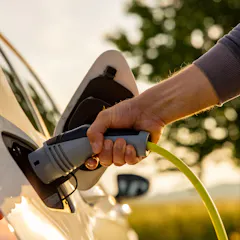
This seemingly cutting-edge technology isn’t entirely new to our century.
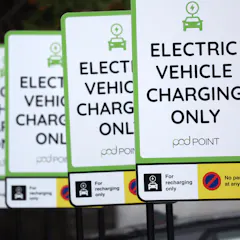
Electric vehicle owners appear to have no clear right to a refund despite the High Court determining that the tax charged by Victoria was invalid.
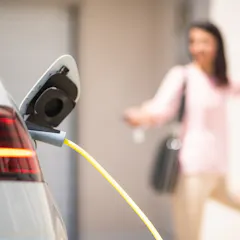
Research on how people adopt new technologies suggests the transition is now well under way.
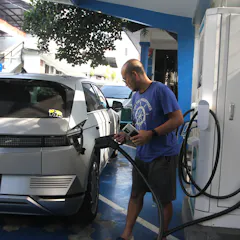
Subsidies for electric motorbikes and cars should be just the first small step in a long-term plan to electrify Indonesia’s transport – driven increasingly by renewables, not coal-fired electricity.

Energy firms are likely to lie about their corporate social responsibility to the environment. Their deception can be turned around for good if they are held accountable.
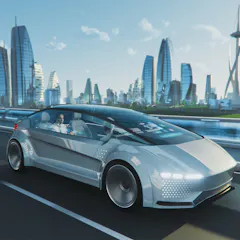
Smoother and quieter, the car of the future comes with one nauseating hitch.
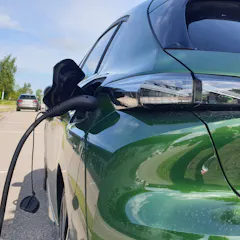
If electric cars are useful for the energy transition, they’re not without flaws and drawbacks and should not make us forget the need to reduce car use.
Top contributors
-

Professor of Transport Technology and Sustainability, Swinburne University of Technology
-
Senior Lecturer in Operations and Supply Chain Management, Anglia Ruskin University
-
Professor of Environmental Geography, School of Biological Earth and Environmental Sciences, UNSW Sydney, UNSW
-
PhD candidate Faculty of Science UNSW, UNSW
-
Professor in Applied Mathematics, Te Kunenga ki Pūrehuroa – Massey University
-
Senior Lecturer in Product Design, Nottingham Trent University
-
Professor of Civil and Environmental Engineering, Rice University
-
Director of Energy Lancaster and Professor of Physical Chemistry, Lancaster University
-
Senior Lecturer, Griffith Business School, Griffith University
-
Visiting Fellow, Crawford School of Public Policy, Australian National University
-
E-Mobility Research Fellow, The University of Queensland
-
Professeur senior d’analyse financière, d’audit et de risk management - Directrice de Programme pour le MSc Fashion Design & Luxury Management- Responsable de la spécialisation MBA "Brand & Luxury Management", GEM
-
Associate Professor in Sustainable Product Design Engineering, Loughborough University
-
University of Southern Queensland
-
Co-Founder at Relectrify | Graduated PhD in Battery Storage, The University of Melbourne