
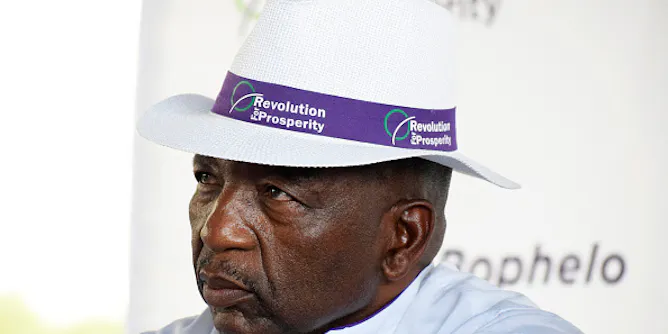
Unable to change the country’s vulnerability to shifts in the global and regional economy, the new prime minister Matekane has few economic levers to pull.
Articles on Elections in Africa
Displaying 21 - 40 of 175 articles
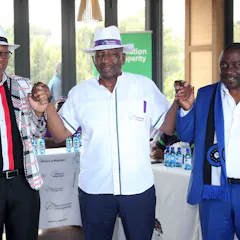
The new governing coalition enters office amid euphoria and excitement. There are great expectations it will end corruption and fix the ailing economy.
Despite their pretensions to support reforms, it is clear that successive governments are not interested in the reform.

Angola’s 2022 election is the first in which citizens born after the war are old enough to vote.

The presence of fringe presidential contenders is a marker of maturing democracies.
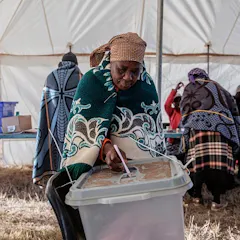
The country has had five governments in 10 years. Every time a government collapses, the reform programme follows suit.
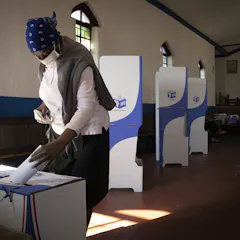
The whole idea behind independent candidates is the hope that their inclusion might improve the accountability of parliamentarians to the voters. The bill doesn’t do that.
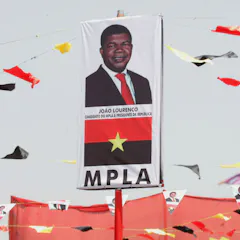
The MPLA is using all instruments at its disposal to hobble a new united opposition front ahead of the Angola election.
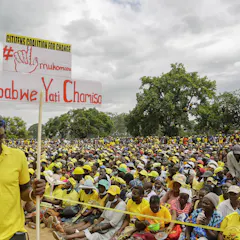
Most citizens feel that it is pointless to vote because it won’t change anything.
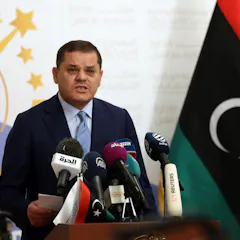
The biggest challenge is that the government does not have a monopoly over the legitimate use of force.
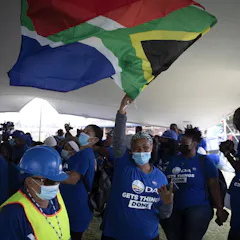
The 2021 local government elections signals widespread disillusionment with representative democracy that only a sea change in service delivery can fix.

Turnout was low. But not equally so across the board. Patterns show it was not a statement by all voters – it was a message from ANC supporters.
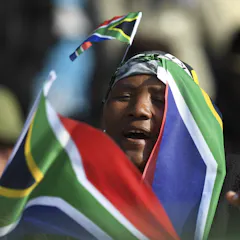
The rise in political parties and the explosion in the number of independents means that it’s no longer simply a race among the three major parties.

President Tshisekedi’s government no longer has the excuse that it’s being hampered by the dead hand of his predecessor Joseph Kabila’s cabal.
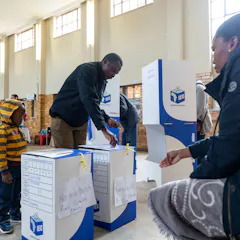
The right to free and fair elections may be undermined if political parties cannot campaign due to COVID-19 restrictions by the state.

Zambia’s new president will have to balance austerity and the high expectations of the many unemployed young people and struggling people who voted for him.
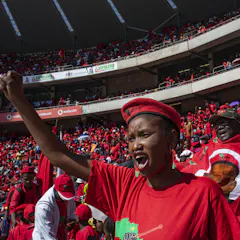
It’s not convincing to argue that the political parties would not be able to campaign as they have done in the past.
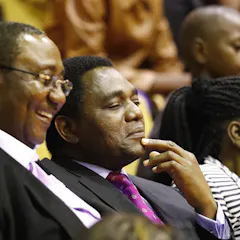
Frustration is growing among opposition supporters who believe the last election was stolen.

There is more support for democracy among African people than is often recognised. Yet this can be undermined by election rigging and is lower in countries like Lesotho, Mozambique and South Africa.
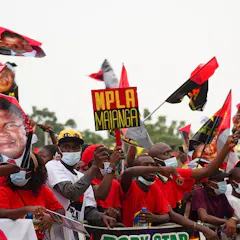
Angola needs a mixed electoral system. This would promote accountability through the direct election of representatives from constituencies.
Top contributors
-

Professor of Democracy, University of Birmingham
-
Lecturer in African History, Queen Mary University of London
-
Professor of Sociology, University of the Witwatersrand
-
Professor in Political Science, University of South Africa
-
Extraordinary Professor, Department of Political Sciences, University of Pretoria
-
Director of the Leaders of Africa Institute and Research Affiliate with Davidson College, Davidson College
-
Chief Research Specialist in Democracy and Citizenship at the Human Science Research Council and a Research Fellow Centre for African Studies, University of the Free State
-
Research Associate, Dept of Anthropology & Development Studies and Fellow, Clare Hall, University of Cambridge, University of Johannesburg
-
Professor of Political Studies, University of Johannesburg
-
Director & SARChI Research Chair: Political Economy of Migration in the SADC Region, University of Pretoria
-
Head of Department, Public and Environmental Law Department, University of Limpopo
-
Professor, Department of Political Sciences, University of South Africa
-
Professor of Public Affairs, Tshwane University of Technology
-
Associate Professor, International Development Studies; Associate Dean, Menno Simons College, University of Winnipeg
-
Professor of Urban Governance, University of the Witwatersrand