

Policymakers should recognize open banking as part of Canada’s response to economic abuse and small business resilience, not only as a competition or financial sector reform.
Articles on Economic abuse
Displaying all articles

Two-thirds of our participants had been financially dependent upon their husbands during their marriages.
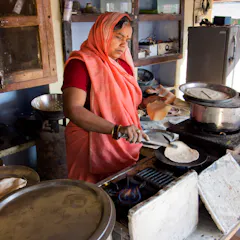
The lockdown gave some men a chance to increase their control and coercion of women.

Women in abusive relationships are much more likely to be unemployed and to earn less money than women with non-abusive partners.

The cost of living crisis is making it even harder for women to leave their abusers.
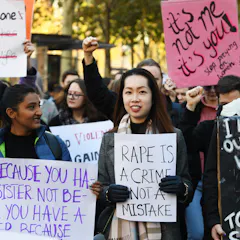
History shows that domestic violence has been deeply entrenched in the culture of Australia from its early days. Progress is only made by understanding this history – and talking about it.

Rather than focusing on specific cultural practices, we need to concentrate on all forms of economic abuse as coercive control.

The royal commission didn’t examine economic abuse. If it had it would have found there’s much banks can do.

Emotional and economic abuse in relationships are often intertwined as people who insult and shame their partners will also try to control their income and assets.

A new study has interviewed South Asian women who have suffered from economic abuse.

Women living in high financial stress and those who have a disability or chronic health condition are most at risk of economic abuse.

Australia is now having a national conversation on domestic violence. Yet the way violence degrades women’s financial status remains in the shadows. Much more needs to be done.

Momentum for reform to end domestic violence should not stop at the most dramatic expressions of abuse. Economic abuse can also contribute to a lifetime of struggle for women.
Top contributors
-

Senior research fellow, Sheffield Hallam University
-
Professor, School of Economics, Finance and Marketing, RMIT University
-
Professor, School of Economics, Finance and Marketing, RMIT University
-
Academic Researcher - Economic Abuse and Young Adults, RMIT University
-
Postdoctoral Research Fellow, University of Technology Sydney
-
Adjunct Senior Research Fellow, University of Southern Queensland
-
Senior Lecturer in Social Policy, University of Edinburgh
-
Distinguished Professional Visitor, Faculty of Law, Monash University
-
Dean, School of Law, Deakin University
-
Associate Professor of Law, Monash University
-
Adjunct professor, Department of Social Inquiry, La Trobe University
-
Associate Professor of Finance, Desautels Faculty of Management, McGill University
-
Associate Professor, Social Policy Research Centre, UNSW
-
Assistant Professor in Criminology, Université de Moncton
-
Senior Lecturer, School of Social and Political Science, University of Edinburgh