

When ASADA issued infraction notices against 34 past or present Essendon footballers, the case was heard – as per World Anti-Doping Agency (WADA) protocol – by the anti-doping tribunal of the relevant…
Articles on Drugs in sport
Displaying 21 - 40 of 86 articles

This week the Court of Arbitration for Sport (CAS) meets in Sydney to hear a case by the World Anti-Doping Agency (WADA) against 34 past or present Essendon Football Club players. This hearing stems from…
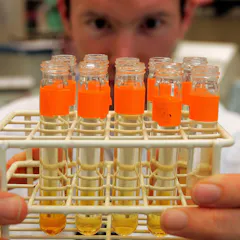
Proposed changes to anti-doping are likely to increase WADA’s powers, but in the search to detect doping athletes, the innocent are likely to be punished along with the guilty.

The implications of the bringing of OHS charges extend far beyond Essendon. For WorkSafe Victoria and professional sporting competitions, it is the equivalent of crossing the rubicon.

Where can sport go when performance-related doping always seems one step ahead? The WADA report should open the door to a more rational future.

This week the AFL announced revisions to its illicit drug policy. With strident critics calling for “zero tolerance” and even criminal sanctions for transgressions, it is an opportunity to reflect on why…

The use of prescription-only painkillers by athletes is hardly new, but debate about their (ab)use in Australia has recently been brought into focus by the emergency hospitalisation of South Sydney NRL…

The recent untoward behaviours in sport are not limited to athletes alone. Rather, there are allegations of corruption throughout sports systems.

The current anti-doping regulation clearly isn’t working. Perhaps it is time to change our approach.

In sport, there seems no reasonable justification for drawing a line in the sand that places drug use on one side and the other performance enhancers on the other.

The world of sport has been rocked by the explosive allegations that surfaced over the weekend.

In March 2015, Karmichael Hunt pleaded guilty to four counts of cocaine possession. This coincided with the end of his career at the Gold Coast Suns AFL club. At the close of the court case, a colleague…
Change is needed to prevent sports performance experts from pushing the boundaries in a way that could potentially harm the health of athletes.

The so-called “blackest day” in Australian sport can now instead be described as the precursor to its foggiest period, following the exoneration of 34 Essendon players from taking a banned drug.
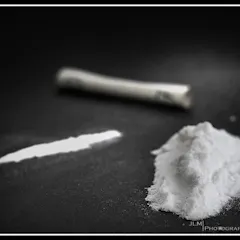
Our study found that 8% of the 1,684 elite Australian athletes we surveyed said they had used at least one of six illicit drugs – including ecstasy, cocaine and cocaine – over the previous year.

The World Anti-Doping Authority looks on from the sidelines in case there is an opportunity to punish athletes’ involvement with illicit drugs out of competition.

There is a tension between views of players’ rights under employment contracts and their responsibilities – both ethically and contractually

Alex Rodriguez, the New York Yankees’ erstwhile third baseman, has had an interesting career in more ways than one. His use of steroids has resulted in a sullied reputation and a one-year suspension without…
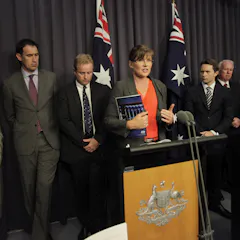
The “crisis” in Australian sport in 2013 prompted calls for change to rebuild integrity and public trust. But while beefing up policing and instituting harsher penalties seems to be a natural reaction…
New drug-testing technology, using mouth-swabs and fingerprint tests to identify illicit drugs in saliva and sweat molecules…
Top contributors
-

Associate Professor of Sport Management, University of Technology Sydney
-
Honorary Associate, Faculty of Business, School of Management, University of Technology Sydney
-
Adjunct Senior Lecturer, School of Business, UNSW-Canberra, UNSW
-
Honorary Professor and Research Fellow, Victoria University
-
Senior Lecturer in Pharmacology, Adelaide University
-
Professor of Sports Law, Melbourne Law School, The University of Melbourne
-
Postdoctoral research fellow, University of Sydney
-
Chen Su Lan Centennial Professor in Medical Ethics, National University of Singapore; Distinguished Visiting Professor in Law, University of Melbourne; Uehiro Chair in Practical Ethics, The University of Melbourne
-
Visiting Fellow, La Trobe University
-
Emeritus Professor of Sociology, Murdoch University
-
Lecturer in Law, Deakin University
-
Senior Lecturer, Faculty of Health Sciences and Sport, University of Stirling
-
Associate Professor, Faculty of Law, Monash University
-
Associate Professor, Deakin University
-
Adjunct Associate Professor of Public Health, Victoria University